



You finally built your ₱50,000 emergency fund. That is no small feat. But if it is sitting in a traditional savings account earning less than 1%, it is quietly losing value against inflation, which has hovered around 4.1% in the Philippines. In practical terms, your safety net is shrinking even as you protect it.
This dilemma has become more relevant in 2026, especially after the Bangko Sentral ng Pilipinas reopened digital bank license applications in January. The move signals a new phase of competition, innovation, and higher savings rates across the financial system.
Yet many Filipinos remain stuck at a decision point. Terms like “digital bank” and “neobank” are often used interchangeably in marketing, creating confusion about which option is safer, more reliable, and better suited for something as critical as an emergency fund.
The truth is simple but often overlooked. Both digital banks and neobanks can offer better yields than traditional banks, but they are not identical in structure, regulation, or risk. Understanding the difference is what allows you to choose not just where your money grows, but where it remains secure when you need it most.

Defining the Players
What Is a Digital Bank?
A digital bank is a fully licensed financial institution regulated by the Bangko Sentral ng Pilipinas. It operates without physical branches but has the same authority as traditional banks.
Examples in the Philippines include Tonik, UnionDigital Bank, and GoTyme Bank.
These banks can:
- Accept deposits
- Offer loans and credit products
- Facilitate payments and transfers
Most importantly, deposits are insured by the Philippine Deposit Insurance Corporation up to ₱500,000 per depositor. That layer of protection is critical for emergency funds.
What Is a Neobank?
A neobank, by contrast, is more of an industry term than a regulatory one. It typically refers to a digital-first financial platform that partners with an existing licensed bank.
For example, Komo operates under EastWest Bank. The app experience feels like a standalone bank, but the underlying license belongs to a traditional institution.
Neobanks focus heavily on:
- User-friendly mobile interfaces
- Fast onboarding
- Simplified financial tools
However, their regulatory structure depends on their partner bank.
The Overlap Confusion
The confusion comes from marketing. Both digital banks and neobanks look identical on your phone. Clean apps, high interest rates, and seamless transfers.
But the distinction matters when things go wrong.
With a digital bank, you are dealing directly with a BSP-licensed entity. With a neobank, your funds are ultimately held by a partner bank. That does not automatically make one safer than the other, but it changes how risk, accountability, and protections are structured.

The 2026 Digital Banking Landscape
The Original Six
The Philippines initially capped digital bank licenses at six. These include:
- Tonik
- UnionDigital Bank
- GoTyme Bank
- Maya Bank
- Overseas Filipino Bank
- UNObank
These institutions built the foundation of high-interest savings in the country, often offering rates between 4% and 6%.
New Entrants in 2026
With the BSP reopening applications, more players are expected to enter the market. This could drive rates higher and introduce more specialized products, such as emergency fund accounts with built-in liquidity features.
For consumers, more competition typically means better rates and improved services.
Neobank Options
Neobanks continue to thrive alongside digital banks. Platforms like Komo and legacy transitions such as ING Philippines (before its exit) have shown how strong app experiences can reshape user expectations.
The takeaway is that the ecosystem is no longer binary. It is a spectrum of digital financial services with varying levels of regulation and features.

Side-by-Side Comparison: Emergency Fund Suitability
When choosing where to park your emergency fund, the differences become clearer:
Digital banks clearly lead in interest rates, which helps your emergency fund keep pace with inflation. Neobanks offer comparable convenience but may have slightly lower yields depending on their structure. Traditional banks, while stable, lag significantly in returns.
For emergency funds, the ideal balance is accessibility, safety, and growth. Digital banks currently check all three boxes most consistently.
Emergency Fund-Specific Features to Compare
Interest Calculation Methods
Not all high interest rates are created equal. Some banks calculate interest daily and credit it monthly, while others may use tiered structures where only higher balances earn better rates.
Understanding this detail can mean the difference between advertised returns and actual earnings.
Withdrawal Restrictions
Emergency funds should be liquid. Always check:
- Free transfer limits
- Withdrawal fees
- Lock-in periods for higher-yield products like time deposits
If accessing your funds becomes difficult, the purpose of an emergency fund is compromised.
Goal-Setting Tools
Many digital platforms now offer built-in savings tools. Features like automatic transfers, savings goals, and fund trackers can help maintain discipline.
While not essential, these tools can make a meaningful difference in consistently growing your emergency fund.

Risk Assessment: Is Your Money Safe?
PDIC Coverage Explained
The Philippine Deposit Insurance Corporation insures deposits up to ₱500,000 per depositor per bank. This applies to both digital and traditional banks, as long as they are licensed.
BSP Supervision
Digital banks operate under direct supervision of the Bangko Sentral ng Pilipinas, with strict compliance requirements. Neobanks rely on their partner bank’s regulatory framework.
What Happens If a Bank Fails
If a digital bank shuts down, PDIC steps in to reimburse insured deposits. The process may take time, but your funds within the insured limit are protected.
Past e-wallet disruptions involving GCash and Maya highlight an important distinction. Service outages can happen, but regulated deposits remain protected when placed within licensed banking entities.
How to Use Finmerkado to Compare
Finmerkado simplifies what would otherwise be a complex decision.
You can compare live interest rates across digital banks, evaluate features side by side, and identify which platform aligns best with your emergency fund goals.
The platform also aggregates user reviews, offering insights into real customer experiences. This adds a practical layer beyond marketing claims.
Finally, direct application links and exclusive promo offers help you maximize returns from the start, without needing to jump across multiple platforms.

Conclusion
Your emergency fund is not just savings. It is your financial safety net, your buffer against uncertainty, and your first line of defense during unexpected events.
In 2026, leaving it in a low-interest traditional account is no longer the most practical choice. Digital banks offer a compelling mix of higher returns, strong regulation, and seamless access. Neobanks provide convenience and innovation, though with slightly different structural considerations.
The key is not just choosing the highest rate, but understanding where your money is safest and most accessible when you need it.
Compare 2026 digital bank rates side by side on Finmerkado and find where your safety net grows fastest.
Frequently Asked Questions

Yes. As long as they are licensed by the BSP and insured by PDIC, deposits up to ₱500,000 are protected.
A digital bank has its own BSP license, while a neobank typically operates through a partner bank.
Digital banks are generally better due to higher interest rates and direct regulatory oversight.
Most digital banks allow instant withdrawals, but always check for transfer limits or fees.
Ideally, 3 to 6 months of expenses, depending on your financial situation.

Maya Philippines, Inc. prioritizes speed and efficiency. The minute-long online application process lets people apply and get approved swiftly. Once accepted, cash are quickly delivered to the customer's bank account, demonstrating the company's commitment to fast service, especially for repeat customers.

At UNO Bank, we prioritize speed and efficiency. Our streamlined online application process is designed to take only minutes, ensuring you can quickly move from application to approval. Once approved, funds are swiftly transferred to your bank account, demonstrating our commitment to fast service, especially for our valued returning customers.
Maya Black Credit Card
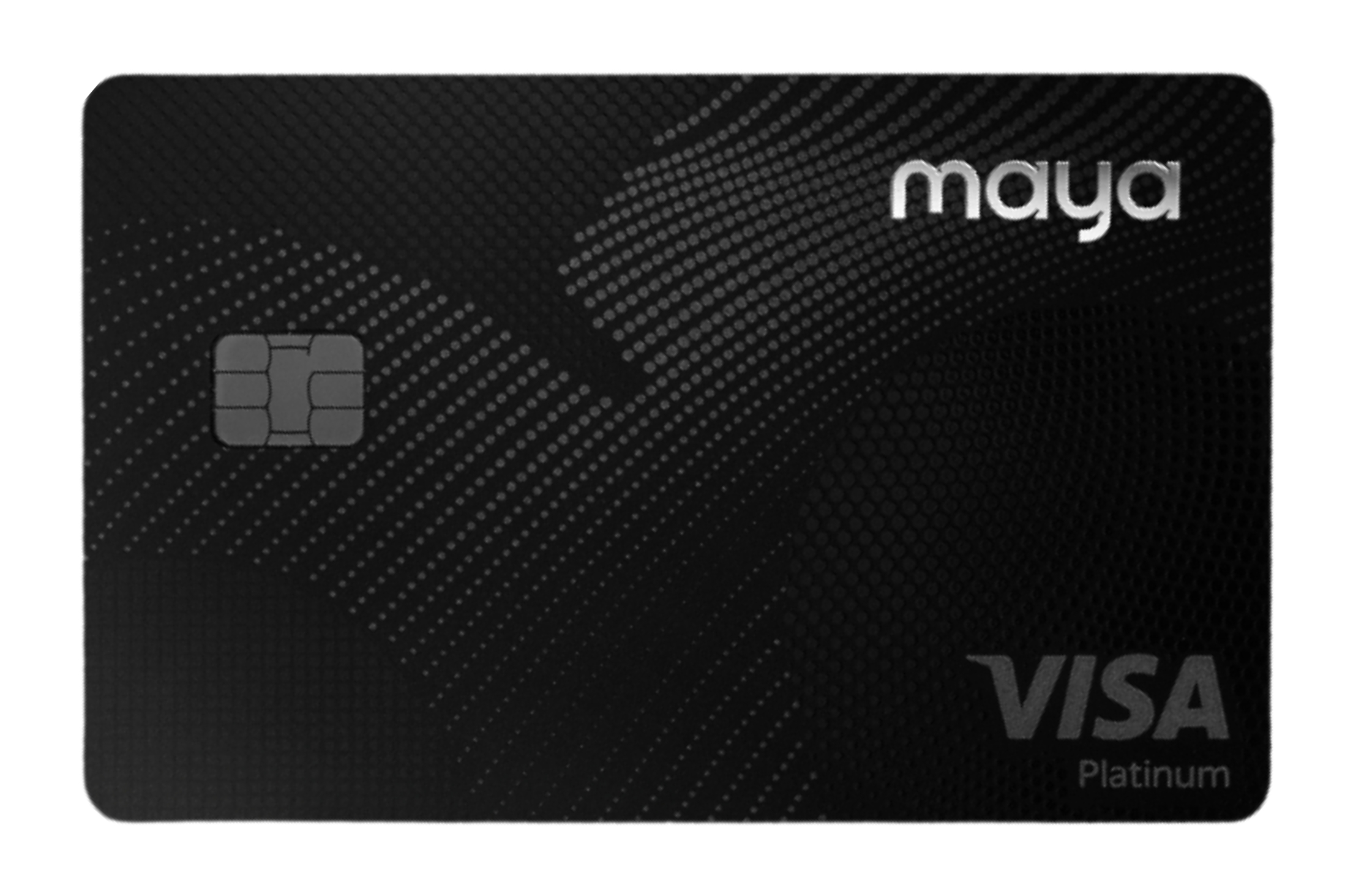
- No annual fee with just one monthly transaction
- Earn Maya Miles on every purchase—redeem for flights, travel perks, or partner rewards.
- Numberless card with dynamic CVV for enhanced security.
- Complete in-app control—freeze/unfreeze, view transactions, and manage limits instantly.
PSBank Credit Mastercard

BDO ShopMore Mastercard
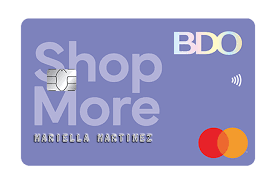
The BDO ShopMore Mastercard offers enhanced rewards and shopping benefits, making it ideal for frequent shoppers and those who prefer flexible payment options.
Maya Personal Loan
Want a personal loan that’s 100% mobile and super convenient? The Maya Personal Loan is built for the digital lifestyle, no paperwork, no long lines. With just your Maya app, you can apply, get approved, and manage your loan. Whether it’s for bills, tuition, or a financial cushion, Maya’s fully digital loan service puts speed and flexibility right in your hands.
Tonik Big Loan
Need major funding for a big dream or life upgrade? The Tonik Big Loan gives you access to up to ₱5 million—ideal for home renovation, business capital, or large personal goals. This secured personal loan is backed by property title collateral, allowing you to enjoy lower rates and higher amounts. 100% digital application and fast disbursement make it a smart choice for ambitious borrowers.
BPI Personal Loan
Need a cash boost for life’s big moments or unexpected emergencies? The BPI Personal Loan offers a reliable and flexible solution—whether you’re funding a small business, covering tuition, or consolidating debt. With competitive rates, fixed monthly payments, and a fast approval process, this loan is designed to fit your goals and your lifestyle. No collateral required, just straightforward access to funds when you need them most.