

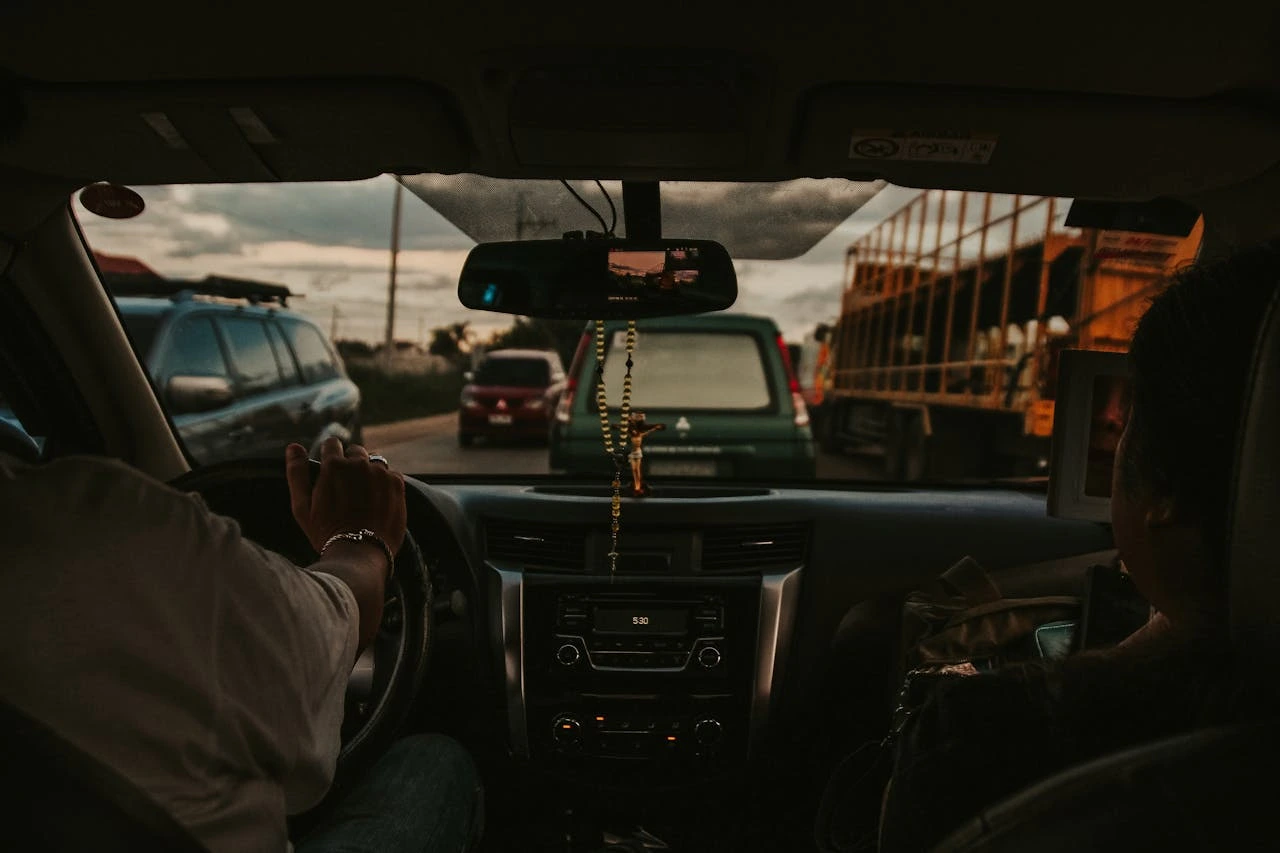

For many Filipino drivers, the phrase “another oil price hike” has become a weekly headline rather than an occasional surprise. By March 2026, the Philippines had already experienced ten consecutive weeks of fuel price increases, leaving commuters, delivery riders, and small business owners struggling to keep up. Every increase at the pump may only be a few pesos per liter, but over weeks and months the total cost quickly compounds.
The crisis is not purely local. The Philippines imports nearly 90% of its oil supply, which means global tensions immediately affect domestic pump prices. Shipping disruptions in the Red Sea and escalating tensions in the Middle East have strained global energy supply chains. For Filipino consumers, this geopolitical instability translates into a very real question every time they pull into a gas station: how will I pay for this fuel?
Government support offers some relief, but it rarely solves the full problem. While the national government has considered subsidies—some estimates reaching ₱2.5 billion in assistance for affected sectors—these programs typically target specific industries such as public transport operators or farmers. For the average Filipino motorist or small entrepreneur, rising fuel costs remain largely a personal budgeting challenge.
This has created a new financial dilemma: Should you use a credit card with fuel rebates, or take a personal loan to cover rising fuel expenses?
At first glance, both seem like viable solutions. Credit cards offer cashback, rebates, and rewards points that can reduce the cost of gasoline. Personal loans provide immediate lump-sum cash that can stabilize fuel budgets during price spikes.
But which one actually saves you more money?
In this guide, we’ll examine the math behind fuel spending, compare real financial products offered by major Philippine banks, and build a simple decision framework to help you determine when to swipe a credit card and when borrowing might make sense. With fuel prices remaining volatile, choosing the right financing strategy can make a meaningful difference in your monthly budget.

The Middle East Crisis & Your Tank
The fuel price surge in 2026 did not happen overnight. Instead, it unfolded gradually across the first quarter of the year, eventually snowballing into a crisis that affected transportation, logistics, and household budgets nationwide.
The earliest signals appeared in January, when oil companies implemented a series of weekly price increases. By mid-January, gasoline prices had already risen by roughly ₱6.70 per liter in cumulative adjustments. At first, analysts attributed the increases to seasonal demand and tightening supply. But as February approached, a more serious factor emerged: geopolitical instability in the Middle East.
The Red Sea shipping route, one of the world’s most important energy corridors, became increasingly volatile due to ongoing regional conflicts and shipping disruptions. Tankers carrying crude oil and refined petroleum products faced longer routes and higher insurance costs. These logistical complications pushed global oil prices higher, and import-dependent countries like the Philippines felt the effects almost immediately.
Tensions involving Iran and Israel further heightened market uncertainty. Energy traders often react strongly to geopolitical risks, anticipating possible supply disruptions even before they occur. As speculation intensified, global oil prices climbed, leading to the ten-week streak of domestic price hikes Filipino motorists experienced.
Currency fluctuations added another layer of pressure. Analysts forecast the Philippine peso weakening to around ₱59.70 per US dollar, making imported fuel even more expensive. Since oil transactions are priced in dollars, a weaker peso means the country must pay more pesos for the same amount of fuel.
The impact was quickly felt at the pump. Diesel prices rose consistently for weeks, affecting transport groups, delivery services, and logistics operators. Gasoline soon followed, raising commuting costs for private motorists and ride-hailing drivers. Even LPG prices were expected to climb, affecting households that rely on gas for cooking.
Faced with these pressures, the government explored emergency responses. One proposal was the adoption of a four-day workweek for certain sectors, reducing commuting days and lowering nationwide fuel consumption. While the idea sparked debate among businesses and employees, it highlighted how serious the situation had become.
Ultimately, global conflicts and currency fluctuations may be beyond the control of individual consumers. But how you pay for fuel—whether through credit card rebates or financing strategies—remains one factor you can manage.

The Math: When Fuel Cashback Beats Personal Loans
To understand whether credit cards or personal loans make more sense for fuel expenses, we need to look beyond convenience and focus on actual numbers.
Let’s begin with a common scenario for many Filipino motorists.
Scenario 1: ₱5,000 Monthly Fuel Budget
A driver who spends around ₱5,000 per month on fuel might consider using a cashback credit card.
If the card offers 3–5% fuel cashback, the savings would look like this:
These rebates may not seem dramatic, but over a year they effectively reduce the cost of fuel.
Now compare that to financing fuel through a ₱50,000 personal loan at 1.5% monthly interest.
Monthly interest cost:
₱50,000 × 1.5% = ₱750 per month
Instead of saving money, the borrower pays ₱750 monthly in interest—far more than the ₱150–₱250 cashback benefit.
In other words, the loan effectively cancels out the fuel savings and creates a net loss.
Scenario 2: ₱15,000 Monthly Fuel Budget (TNVS Driver)
For ride-hailing drivers, delivery riders, or small logistics operators, fuel costs may reach ₱15,000 or more monthly.
At this level, cashback becomes more significant:
Here, cashback could potentially match the interest cost of a small loan. However, another factor appears: cashback caps. Many credit cards limit monthly fuel rebates to a maximum amount, often around ₱200–₱500.
Once the cap is reached, additional fuel purchases earn no extra rebates. For high-volume drivers, this reduces the advantage of credit cards.
This is where personal loans occasionally become useful. If a driver needs to purchase fuel in bulk, stabilize operating costs, or maintain cash flow during volatile fuel weeks, a loan may offer more flexibility.
The Interest Rate Trap
It is important to remember that loan interest accumulates regardless of fuel price changes. Even a seemingly low rate like 1.5% per month (18% annually) can outweigh cashback benefits quickly.
If a credit card balance is not paid in full, the interest rate can climb even higher—often 2–3% monthly, or 24–36% annually.
This is why the best financial strategy usually depends on how quickly you can repay the credit card balance.
Credit Card Fuel Hacks
Credit cards can be surprisingly powerful tools for managing fuel expenses—if used strategically. Many Filipinos overlook the fact that fuel discounts can be stacked, combining multiple loyalty programs and bank rewards.
A popular strategy involves pairing gas station loyalty programs with cashback credit cards.
For example, drivers who fuel up at Shell can use Shell Go+, which often provides up to 5% discounts or reward points on fuel purchases. If the payment is made using a cashback credit card that offers 3% fuel rebates, the combined savings could reach 8% in total benefits.
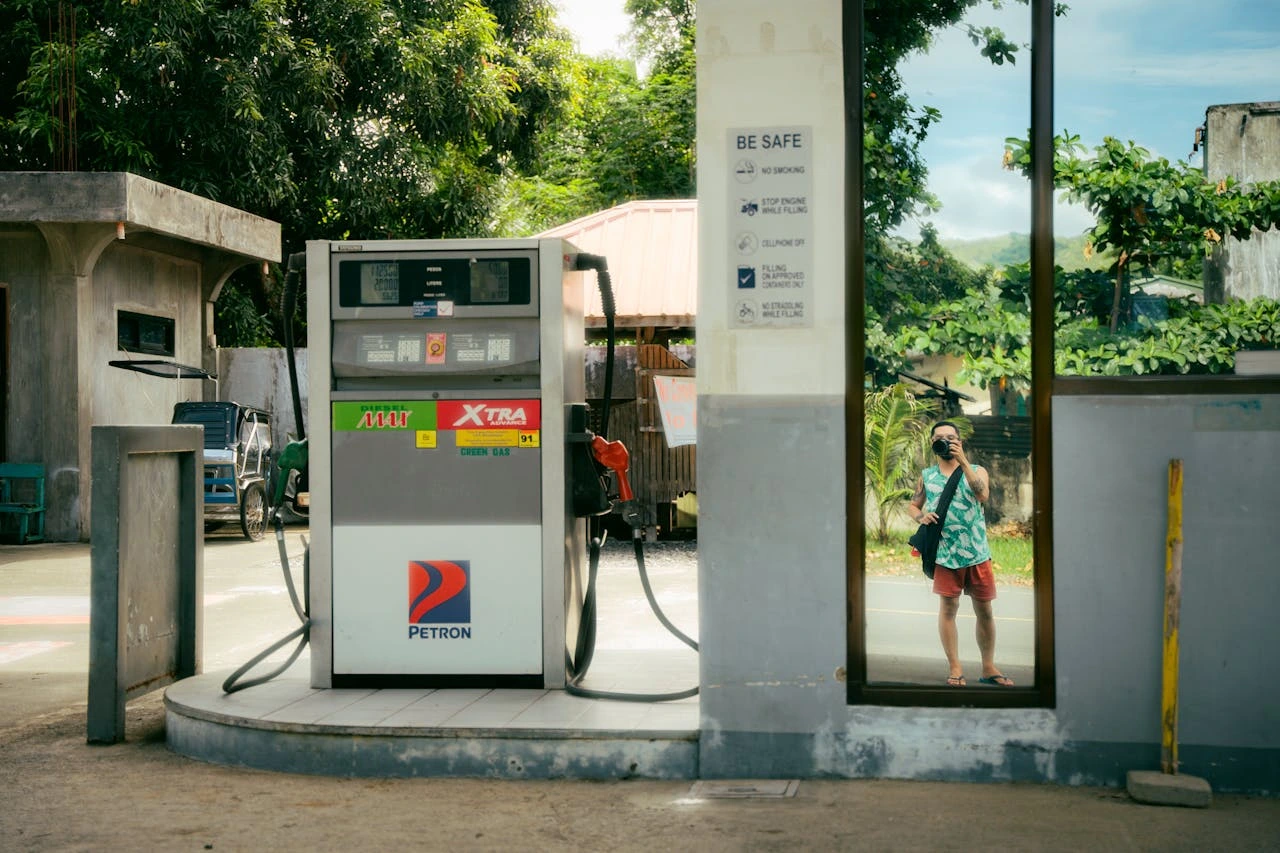
Petron also offers its own loyalty programs and value cards that allow drivers to accumulate points for future fuel purchases.
Banks frequently partner with specific fuel companies. BPI credit cards, for instance, sometimes provide special rebates at Petron stations or promotional tie-ins with Ayala-affiliated gas stations near major malls. Metrobank cards may offer waived fuel surcharges or rotating cashback promotions, while Security Bank cards emphasize straightforward cashback systems that include fuel purchases.
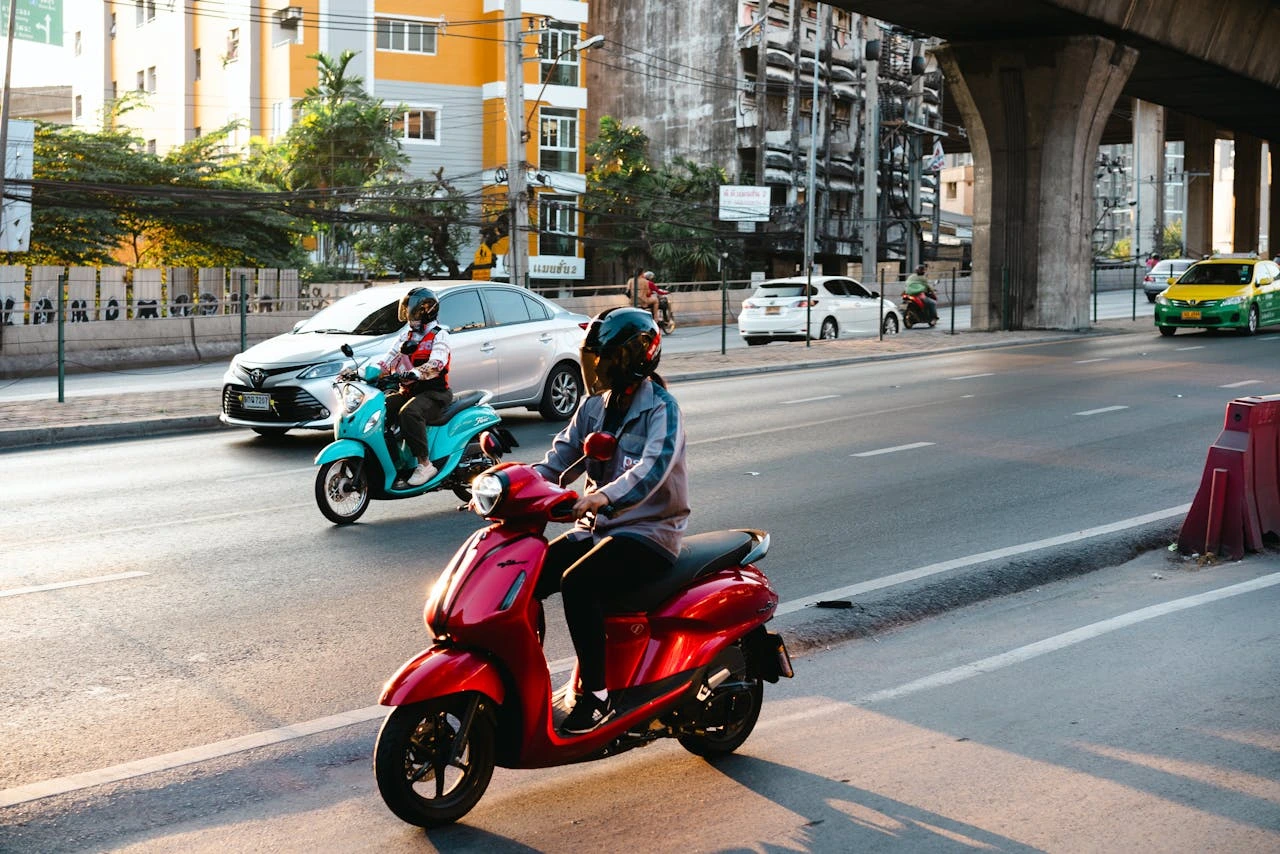
Motorcycle riders—who represent a large segment of fuel consumers—can also benefit. Many urban gas stations now accept credit cards for small-value fuel transactions, allowing riders to accumulate cashback rewards even on modest weekly purchases.
However, there are limits to this strategy. Financial experts often recommend maintaining credit utilization below 30–40% of your card limit. Exceeding that threshold can affect your credit profile and increase the risk of debt accumulation.
In practice, this means credit cards work best for fuel when they are used as a payment tool rather than a borrowing tool. Paying the balance in full each month allows drivers to enjoy rebates without incurring high interest charges.

Personal Loan for Fuel: Debt Trap or Lifeline?
At first glance, taking a personal loan for fuel expenses may sound counterintuitive. Fuel is a recurring cost rather than a one-time purchase, which makes borrowing for it risky.
However, there are scenarios where loans can make sense.
Fleet operators, delivery companies, and ride-hailing drivers sometimes face cash flow gaps during periods of volatile fuel prices. If revenue arrives weekly or monthly but fuel expenses must be paid daily, a short-term loan can stabilize operations.
For example, a logistics operator might borrow ₱50,000 to cover bulk fuel purchases for several vehicles. Buying fuel in larger quantities during lower-price weeks could offset some future increases.
But the danger lies in the total repayment cost. A ₱50,000 loan can easily grow to ₱65,000 or more once interest and fees are included.
For individual commuters, this creates a troubling cycle—borrowing money just to get to work.
Another risk is the rollover effect. A borrower who uses a loan for fuel may later need another loan to cover the first one, especially if fuel prices remain high. Over time, this pattern can turn everyday transportation expenses into long-term debt.
Compared with credit cards, personal loans do offer slightly lower interest rates in many cases—around 1.5% monthly (18% annually) versus 24–36% annual credit card interest when balances revolve.
But the key difference remains flexibility. Credit cards allow small, recurring transactions with rewards, while loans commit borrowers to fixed repayment schedules regardless of fuel price changes.
The Four-Day Workweek Angle
One of the more unusual responses to rising fuel prices has been the government’s discussion of a four-day workweek.
The idea emerged as fuel costs surged and policymakers searched for ways to reduce national consumption. By compressing work schedules—allowing employees to work longer hours across four days instead of five—commuting days could potentially drop by 20%.
For employees who spend ₱5,000–₱10,000 monthly on fuel, that reduction could translate into ₱1,000–₱2,000 in savings each month.
Of course, implementation is not straightforward. Industries such as manufacturing, healthcare, retail, and transportation often require continuous operations that cannot easily adopt compressed schedules.
However, office-based sectors—including technology, finance, and administrative roles—may find the model more feasible.
For employees, the key step is communication with employers. Some companies already offer hybrid work arrangements or flexible schedules that reduce commuting frequency.
Even one less commute per week can significantly lower monthly fuel expenses—often more than cashback programs or financing strategies.
Product Comparison: BPI vs. Metrobank vs. Security Bank
Choosing the right credit card can make a noticeable difference in fuel spending. Several Philippine banks offer cards with fuel-related perks, though each has slightly different strengths.
Finmerkado simplifies the process by allowing consumers to compare credit cards across banks, filtering options based on rewards, fees, and eligibility requirements.
Some experienced card users adopt a “one card per gas station” strategy, using different credit cards depending on which fuel brand offers the best rebates.
Timing applications can also help. During periods of rising fuel prices, banks sometimes introduce promotional cashback rates or waived annual fees to attract new cardholders.
Decision Framework: 3 Questions to Choose Your Fuel Financing
Choosing between a credit card and a personal loan becomes easier when you ask three simple questions.
First, is your fuel spending recurring or a one-time bulk purchase?
Recurring fuel expenses usually favor credit cards because cashback and rewards accumulate over time.
Second, can you pay your credit card balance in full each month?
If the answer is yes, credit cards almost always provide better value due to rebates and avoided interest charges.
Third, do you already have existing loan obligations?
If you are already repaying multiple loans, adding another one for fuel expenses could create unnecessary financial pressure.
For most everyday motorists, the conclusion is straightforward: credit cards work better for personal fuel spending, while personal loans are usually only practical for business-related fuel costs.

Conclusion
Fuel prices may remain unpredictable throughout 2026, especially as global tensions continue to affect oil markets. For Filipino motorists, every peso saved on transportation matters.
The numbers reveal a clear pattern. When used responsibly and paid in full each month, credit cards with fuel cashback provide measurable savings. Personal loans, on the other hand, often add interest costs that outweigh any potential benefits for everyday fuel purchases.
That does not mean loans are always bad. For businesses that require large, upfront fuel purchases or need to stabilize operating costs, financing can still serve a strategic role.
But for the average commuter or driver, the smarter approach is often simpler: use credit cards strategically, maximize cashback programs, and avoid unnecessary borrowing.
If you’re exploring fuel-friendly credit cards, Finmerkado makes the process easier by allowing you to compare available options, review benefits, and pre-qualify for cards online in just a few minutes.
With fuel prices rising and budgets tightening, choosing the right financial product can help ensure that more of your money goes into the tank—rather than into interest payments.
Frequently Asked Questions

For most individuals, a credit card is the better option because many cards offer fuel cashback, rebates, or rewards points. If you pay your balance in full every month, you can reduce your fuel costs without paying interest. Personal loans are generally better suited for large or business-related fuel expenses, such as fleet operations or delivery services that require bulk fuel purchases.
Savings typically range between 3% and 5% of your fuel spending depending on the credit card and promotion. For example, spending ₱5,000 monthly on fuel could generate ₱150–₱250 in cashback, while ₱15,000 in monthly fuel expenses could yield ₱450–₱750 in rebates, depending on cashback caps.
Personal loans may make sense for business owners, fleet operators, or TNVS drivers who need a lump sum to stabilize fuel budgets during price spikes. However, using a loan for everyday commuting expenses can become expensive due to interest rates and fixed repayment schedules.
If the balance is not paid in full, credit card interest—often 2% to 3% per month—can quickly outweigh any cashback benefits. In this situation, the credit card becomes more expensive than a personal loan, which usually has lower monthly interest rates around 1–1.5%.
Yes. Many Filipino drivers stack gas station loyalty programs (such as fuel rewards or points) with credit card cashback or rebates. This strategy can increase total savings and help offset rising pump prices, especially during periods of frequent fuel price hikes.

BPI offers many financial options for varied purposes. BPI offers personal, commercial, investment, and credit products and services to meet various financial needs. This makes financial management easier for individuals and organizations by providing a one-stop banking solution.

Provides versatile banking solutions tailored for individuals, businesses, and corporations, allowing customers to manage finances and access essential resources conveniently through a robust mobile application, branch network, and ATMs for a seamless banking experience.
Facilitate secure account and transaction access. The user-friendly web and mobile tools help clients manage funds, make real-time transfers, pay bills, and monitor transactions anytime, anywhere.
Metrobank Rewards Plus Card

- Double rewards points on ALL online, gadget, and telco spend
- Earn 1 never-expiring point for every ₱20 spend
- Ideal for online shoppers and tech enthusiasts
Petron BPI Card

- Earn 3% rebate on fuel
- Free ₱200 fuel voucher for first-time cardholders
- Avail of flexible and convenient installment plans
- Convert your credit limit to cash for emergencies
- Ideal for car owners
Security Bank Platinum Mastercard

- Waived annual fee for the first year
- Earn 2 never-expiring point for every ₱20 spent
- Access over 1,300 lounges across 500+ airports worldwide
- Free travel insurance when booking airline tickets
- Discounts at favorite shops and restaurants
- Receive up to $200 coverage when you shop online
- Ideal for frequent travelers and international shoppers
BPI Personal Loan
Need a cash boost for life’s big moments or unexpected emergencies? The BPI Personal Loan offers a reliable and flexible solution—whether you’re funding a small business, covering tuition, or consolidating debt. With competitive rates, fixed monthly payments, and a fast approval process, this loan is designed to fit your goals and your lifestyle. No collateral required, just straightforward access to funds when you need them most.
Metrobank Personal Loan
Need extra funds for emergencies, education, or big life purchases? The Metrobank Personal Loan offers flexible borrowing terms and quick processing—all from one of the country’s most established and reputable banks. With no collateral required and fixed monthly payments, it’s a convenient solution for salaried individuals looking to take control of their finances.
Security Bank Personal Loan
The Security Bank Personal Loan is an unsecured, multi-purpose loan offering up to ₱2 million in financing. With add‑on interest rates starting around 1.3% monthly, it translates to an estimated APR of roughly 29.5%–39.4% depending on loan amount and term. No credit card is needed, and applicants can choose between applying online or over the counter at branches. Ideal for emergencies, life events, or debt consolidation with quick digital or branch-assisted processing.