



You’re 28, working from home, feeling completely fine. Then appendicitis hits. The hospital bill climbs to ₱180,000. Your PhilHealth coverage? Around ₱30,000. The gap is not just stressful, it is financially destabilizing.
This scenario is becoming more common as the gig economy continues to expand across the Philippines. Freelancers, virtual assistants, online sellers, and consultants now make up a significant portion of the workforce. They enjoy flexibility, autonomy, and often higher income ceilings. But one thing remains missing: employer-provided health benefits.
Unlike traditional employees who are covered by company HMOs, freelancers operate without a safety net. When illness strikes, everything comes out of pocket unless you have prepared in advance. And in healthcare, preparation is everything.
This is where private health coverage comes in. The challenge is not just deciding to get insured, but understanding which type of coverage actually fits a freelancer’s lifestyle and income pattern. From HMOs to full health insurance and microinsurance, the choices can feel overwhelming.
The truth is simple: freelancers need health coverage. The real question is which one makes sense for you.

The Freelancer Benefits Gap
No Employer HMO
Traditional employees often take health benefits for granted. Company-sponsored HMOs cover consultations, hospital stays, and sometimes even dental care. Freelancers, on the other hand, must build this protection on their own.
Without an employer absorbing part of the cost, even basic coverage can feel expensive. This leads many freelancers to delay getting insured, often until it is too late.
PhilHealth Limitations
PhilHealth is a valuable foundation, but it is not designed to fully cover medical expenses. Its case rate system provides fixed amounts per illness, regardless of actual hospital costs.
This means:
- Private room upgrades are not covered
- Specialist fees often exceed allowances
- Medicines and diagnostics can quickly go beyond limits
PhilHealth helps, but it rarely eliminates the financial burden.
The “Healthy Young Freelancer” Blind Spot
Many freelancers assume they do not need insurance because they feel healthy. This “invincibility mindset” is common, especially among younger workers.
But health emergencies are unpredictable. Appendicitis, accidents, and sudden illnesses do not consider your age or income stability. One hospital stay can wipe out months or even years of savings.
Types of Health Coverage for Freelancers
Health Maintenance Organizations (HMOs)
HMOs are often the first step into private healthcare. Providers like Maxicare, Medicard, Intellicare, and Pacific Cross offer prepaid annual plans with access to a network of hospitals and clinics.
These plans typically cover:
- Doctor consultations
- Lab tests
- Hospitalization within limits
They are practical for freelancers who want predictable healthcare access without dealing with reimbursements.
Health Insurance (Life Insurance Riders)
Health insurance plans from providers such as AXA, Pru Life, and Sun Life offer higher coverage limits and more flexibility.
These plans often include:
- Coverage up to millions of pesos
- Critical illness benefits
- Optional investment components
Unlike HMOs, many of these plans operate on reimbursement, meaning you can choose your hospital but must initially pay out of pocket.
Microinsurance / Embedded Insurance
Digital platforms like GCash (GInsure) and Maya now offer bite-sized insurance products.
These are designed for accessibility:
- Low premiums (as low as ₱500)
- Pay-per-use models
- Simple application processes
However, coverage is limited and best used as a supplement rather than a primary plan.
PhilHealth Plus Supplemental
Freelancers can upgrade their PhilHealth contributions voluntarily. While this does not replace private insurance, it increases baseline support.
Think of PhilHealth as your foundation, not your full safety net.

Side-by-Side Comparison for Freelancers
Here is a clearer view of how these options compare:
Each option serves a different purpose. HMOs are ideal for routine care, health insurance provides financial protection for major illnesses, and microinsurance offers entry-level coverage for tight budgets.

Freelancer-Specific Considerations
Income Volatility and Premium Payments
Freelancer income is rarely consistent. Some months are strong, others are unpredictable.
This makes payment flexibility crucial:
- HMOs often require annual payments
- Health insurance may offer monthly options
- Microinsurance allows pay-as-you-go access
Choosing a plan that aligns with your cash flow can prevent policy lapses.
Work-from-Home Health Risks
Freelancers face unique health challenges:
- Back pain from poor ergonomics
- Eye strain from prolonged screen time
- Mental health stress from isolation
Not all plans cover outpatient consultations or mental health services. This is an important detail to check before committing.
Family Dependents
Your responsibilities shape your coverage needs.
- Single freelancers may prioritize affordability
- Breadwinners need higher coverage for dependents
- Parents should consider plans with pediatric and family benefits
Insurance is not just about you. It is about the people who rely on you.

How to Choose Based on Freelancer Profile
Beginner VA (₱20K/month)
Start simple. Combine PhilHealth with microinsurance to create basic protection without overwhelming your budget.
Established Freelancer (₱50K/month)
An HMO becomes more practical at this stage. It covers consultations and routine care, which helps maintain productivity.
High-Earning Consultant (₱100K+/month)
At this level, comprehensive health insurance with a critical illness component makes sense. It protects both your health and your long-term financial stability.
How Finmerkado Simplifies Comparison
Finding the right plan can feel like navigating a maze. This is where Finmerkado becomes useful.
You can:
- Filter plans based on freelancer-friendly budgets
- Compare outpatient coverage side by side
- Check hospital networks near your area
- Read reviews tailored to freelance lifestyles
Instead of guessing, you make informed decisions based on real comparisons.

Conclusion
Your health is not separate from your freelance career. It is the foundation of it. Every client you serve, every project you complete, and every peso you earn depends on your ability to stay healthy.
Relying solely on PhilHealth leaves a significant financial gap. The good news is that there are options designed for every stage of your freelance journey, from microinsurance to full health coverage.
The key is to start now, before an emergency forces the decision.
Compare freelancer health plans on Finmerkado and find coverage that fits your gig income, not a corporate salary.
Frequently Asked Questions

No. PhilHealth provides partial coverage through fixed case rates, but it rarely covers the full cost of hospitalization or treatment.
Microinsurance is the most affordable, with premiums starting around ₱500, but it offers limited coverage.
It depends on your needs. HMOs are better for routine care, while health insurance is ideal for major medical expenses.
Yes, many health insurance plans offer monthly payment options, while HMOs are often annual.
You will need to pay medical expenses out of pocket, which can lead to financial strain or debt during emergencies.

BPI offers many financial options for varied purposes. BPI offers personal, commercial, investment, and credit products and services to meet various financial needs. This makes financial management easier for individuals and organizations by providing a one-stop banking solution.

Maya Philippines, Inc. prioritizes speed and efficiency. The minute-long online application process lets people apply and get approved swiftly. Once accepted, cash are quickly delivered to the customer's bank account, demonstrating the company's commitment to fast service, especially for repeat customers.

BPI Amore Platinum Cashback Card

- Get 4% cash back on dining and online delivery spend
- Get 1% cash back on supermarkets and department store spend
- Earn up to 0.3% cash back on other international and local retail spend
- Enjoy exclusive perks and deals at any Ayala Malls nationwide
- One of the lowest forex conversion rates at 1.85%
- Ideal for people who enjoy shopping while saving
BDO ShopMore Mastercard
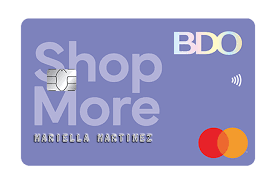
The BDO ShopMore Mastercard offers enhanced rewards and shopping benefits, making it ideal for frequent shoppers and those who prefer flexible payment options.
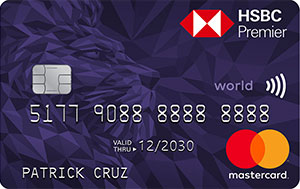
HSBC Premier Mastercard
BDO Unibank Personal Loan
BDO Unibank’s Personal Loan offers unsecured financing of up to ₱2 million with a fully digital or branch-assisted application process. It’s an accessible cash option for immediate needs like debt consolidation, travel, events, and other lifestyle expenses. With competitive rates starting at 0.98% monthly add-on and flexible repayment up to 36 months, it’s a solid choice for salaried and self-employed individuals.
BPI Personal Loan
Need a cash boost for life’s big moments or unexpected emergencies? The BPI Personal Loan offers a reliable and flexible solution—whether you’re funding a small business, covering tuition, or consolidating debt. With competitive rates, fixed monthly payments, and a fast approval process, this loan is designed to fit your goals and your lifestyle. No collateral required, just straightforward access to funds when you need them most.
Maya Personal Loan
Want a personal loan that’s 100% mobile and super convenient? The Maya Personal Loan is built for the digital lifestyle, no paperwork, no long lines. With just your Maya app, you can apply, get approved, and manage your loan. Whether it’s for bills, tuition, or a financial cushion, Maya’s fully digital loan service puts speed and flexibility right in your hands.