




When PAGASA officially declared the start of the dry season on April 16, it came with a stark warning: heat index levels could soar between 42°C and 51°C in parts of the country. These are not just uncomfortable numbers, they signal real health risks.
In recent summers, extreme heat has already proven deadly. Reports from Pangasinan and Oriental Mindoro confirmed fatalities linked to heat stroke, underscoring how dangerous prolonged exposure can be.
Yet beyond the physical danger lies a quieter, often overlooked risk: financial exposure. Many Filipinos assume their HMO will cover emergencies like heat stroke, until they’re faced with unexpected hospital bills.
This article serves as your pre-summer insurance audit guide, so you can avoid costly surprises before peak heat hits.

The Summer Health Paradox
Summer invites outdoor activities, but it also increases health risks. Dehydration, prolonged sun exposure, and physical exertion can trigger serious conditions, especially for those with underlying illnesses.
Financially, the gap can be alarming. While PhilHealth offers fixed support, actual hospital costs often go far beyond what’s covered.
Here’s a clearer look:
The misconception is simple but costly: “emergency” doesn’t always mean “fully covered.”
Take Juan’s case: a delivery rider who suffered heat stroke. His bill reached ₱50,000. PhilHealth covered ₱12,000. He paid the remaining ₱38,000 out of pocket.
PhilHealth Coverage Reality Check
PhilHealth provides essential support—but within limits.
Heat-related illness coverage includes:
- Heat stroke: ₱12,675
- Heat exhaustion/fatigue: ₱18,135
- Chickenpox complications: ₱7,800
However, outpatient treatments like IV fluids for dehydration, are often not covered unless admission is required.
There are also structural limitations. PhilHealth has a 45-day annual hospitalization cap and follows a single confinement rule, meaning overlapping conditions may not be reimbursed separately.
Proper documentation is crucial: medical certificates, hospital records, and itemized billing must all be complete to ensure claims are processed.

The HMO Blind Spot
HMOs offer protection, but not without gaps.
Many plans include exclusions related to “environmental conditions,” which may affect heat-related claims. Coverage also becomes complicated when pre-existing conditions are involved.
Common gaps include outpatient treatment for dehydration, sunburn complications, and food poisoning, especially during summer outings.
The “reasonable and customary” clause can further reduce payouts, as HMOs only cover standard treatment costs. Anything beyond that becomes your responsibility.
Another risk is hospital network limitations. In emergencies, the nearest hospital may not be accredited, resulting in partial or denied claims.

Beyond Heat Stroke: Summer-Specific Risks
Summer health risks extend beyond heat stroke.
Severe sunburn can lead to second-degree burns requiring treatment. Dehydration can escalate into hospitalization. Food poisoning spikes due to improperly stored food, especially popular items like liempo left under the sun.
Waterborne illnesses from beaches and pools, as well as respiratory issues triggered by extreme temperature shifts, also contribute to rising health incidents during the season.
Each of these carries costs that may not be fully covered by standard insurance.
Finmerkado Insurance Products: Filling the Gaps
Platforms like Finmerkado help users find insurance products tailored to specific risks.
Critical illness riders may include heat stroke. Personal accident insurance covers outdoor-related incidents. Hospital income benefits provide daily cash during confinement, helping offset uncovered expenses.
Family protection bundles also ensure financial stability during emergencies.
Comparing policies allows you to find coverage that aligns with seasonal risks—not just general health concerns.
Pre-Summer Checklist: 5 Questions to Ask Your Insurer
Before peak heat season, ask:
- Is heat stroke covered as emergency or critical illness?
- What’s my outpatient dehydration coverage?
- Are outdoor accidents included?
- What’s my remaining annual limit?
- Which nearby hospitals are accredited?
These answers can reveal costly gaps before they become real expenses.
Emergency Fund vs. Insurance
Insurance covers major costs—but not everything.
A ₱20,000–₱50,000 emergency fund can handle ER visits, medications, and uncovered fees. Think of it as a “heat wave fund,” especially during advisories from PAGASA.

Conclusion
Summer health risks are rising, and so are the financial consequences of being unprepared.
Don’t assume your coverage is complete. Review your policies now, before peak heat arrives.
Use platforms like Finmerkado to compare options and fill the gaps.
Heat stroke may be preventable, but financial strain doesn’t have to be.
Frequently Asked Questions

Yes, PhilHealth covers heat stroke with a fixed case rate of around ₱12,675, but this usually does not cover the full hospital bill.
Many HMOs have exclusions, limits, or “reasonable and customary” clauses that reduce payouts, especially for outpatient or preventable conditions.
Not always. Outpatient IV treatments are often excluded unless they lead to hospital admission.
Experts recommend setting aside ₱20,000–₱50,000 as a buffer for uncovered expenses.
It depends on your policy. Some personal accident insurance plans include these, but standard HMOs may not.
In some insurance plans, yes—but only if explicitly stated in your policy or rider.


BPI offers many financial options for varied purposes. BPI offers personal, commercial, investment, and credit products and services to meet various financial needs. This makes financial management easier for individuals and organizations by providing a one-stop banking solution.

RCBC prioritizes speed and efficiency with a quick online application process that allows approved funds to be swiftly transferred to customers’ accounts, demonstrating their commitment to fast service, especially for returning clients.
Cebu Pacific Gold Credit Card

- Earn 1 Go reward point for every ₱200 spend
- Earn 1 Go reward point for every ₱100 spend at Cebu Pacific
- Exclusive access to Cebu Pacific seat sales
- Get lost in the insane amount of discounts, perks and freebies in restaurants, shopping, leisure and service outlets nationwide
- Have your outstanding credit card balance covered up to ₱2.5 Million
- Ideal for the Insta-Traveller
PNB Cashback Titanium Mastercard
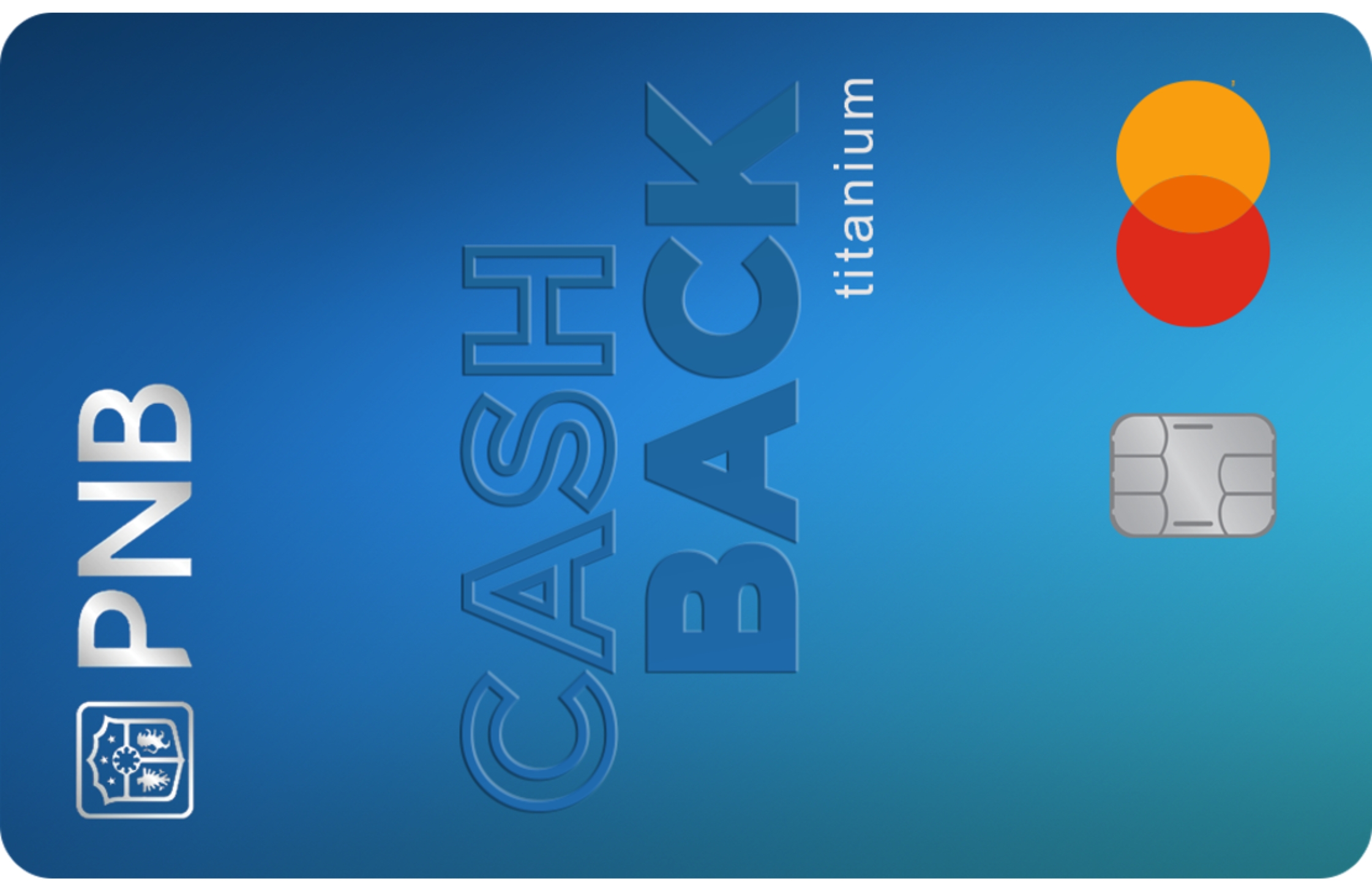
Your First Card for Financial Freedom
Metrobank Travel Platinum Card

- Exclusive welcome gift for New-to-Metrobank credit cardholders
- Earn miles quickly with the Metrobank Travel Platinum Card
- Receive 1 mile for every ₱17 spent on airlines, hotels, and foreign currency transactions
- Earn 1 mile for every ₱50 spent on other categories
- Triple rewards on local airlines, hotel accomodation and international spending
- Enjoy a FREE first supplementary credit card
- Ideal for frequent travelers looking to maximize their rewards
BDO Unibank Personal Loan
BDO Unibank’s Personal Loan offers unsecured financing of up to ₱2 million with a fully digital or branch-assisted application process. It’s an accessible cash option for immediate needs like debt consolidation, travel, events, and other lifestyle expenses. With competitive rates starting at 0.98% monthly add-on and flexible repayment up to 36 months, it’s a solid choice for salaried and self-employed individuals.
BPI Personal Loan
Need a cash boost for life’s big moments or unexpected emergencies? The BPI Personal Loan offers a reliable and flexible solution—whether you’re funding a small business, covering tuition, or consolidating debt. With competitive rates, fixed monthly payments, and a fast approval process, this loan is designed to fit your goals and your lifestyle. No collateral required, just straightforward access to funds when you need them most.
Chinabank Personal Loan

Chinabank’s Easi‑Funds Personal Loan (via China Bank Savings) offers unsecured financing of up to ₱1 million, positioned similarly to peer offerings. It carries an add‑on interest rate of approximately 1.3%–1.5% monthly, translating to an estimated APR of 16%–19% depending on loan tenure and credit profile. Tenure options generally range from 12 to 36 months, while approval often comes within 3 to 5 banking days. Being backed by Chinabank’s extensive branch network and digital infrastructure, it combines legacy banking strength with modern convenience.