




Many Filipinos have at least one valuable piece of gold jewelry tucked away at home—a necklace from a wedding, a bracelet inherited from a parent, or a ring bought during better financial times. It might be worth ₱50,000 or more, yet when cash is urgently needed, the fastest option often seems to be the neighborhood pawnshop. Within minutes, that same jewelry could secure a ₱15,000–₱25,000 loan—but at interest rates that quietly pile up month after month.
This is the reality behind the traditional “sangla” system. Pawnshops offer speed and convenience, but they often lend only 30–50% of the gold’s true value while charging 3–4% interest per month. Over time, the cost of renewing that loan can quietly balloon into something far more expensive than most borrowers expect.
What many Filipinos do not realize is that there is another path. Some rural and commercial banks in the Philippines now offer gold-backed loans with significantly better terms. Instead of treating your jewelry as a quick liquidation asset, banks evaluate it more carefully and may lend 70–80% of its value, often at 1–1.5% monthly interest.
Platforms like Finmerkado help borrowers compare legitimate lenders offering these options. If you’ve ever pawned jewelry for emergency cash, understanding these alternatives could help you borrow smarter—and possibly keep more of your gold’s value working in your favor.

The Hidden Cost of Pawnshops
Pawnshops play an important role in the Philippine financial ecosystem. They provide fast cash with minimal paperwork, which is why millions of Filipinos rely on them during emergencies. But convenience often comes with hidden costs that borrowers rarely calculate in full.
One of the biggest issues is the appraisal gap. Jewelry is usually evaluated based on its gold weight and purity, but pawnshops tend to use conservative price estimates. For example, an 18-karat necklace worth ₱45,000 in the retail market might be valued at a far lower amount for lending purposes. This conservative valuation protects the pawnshop in case the item is sold at auction, but it means borrowers receive far less cash than their jewelry might actually support elsewhere.
Interest rates are another major factor. Pawnshops typically charge 3–4% interest per month, which translates to roughly 36–48% per year if the loan is continually renewed. While this may not feel overwhelming for a short-term loan, the costs accumulate quickly if repayment is delayed.
The real financial trap often lies in the renewal cycle. Many borrowers cannot redeem their jewelry within the initial loan period, so they pay renewal fees to extend the loan. Each renewal adds more interest and charges without reducing the original loan balance. Over time, a small loan can quietly grow into something much larger.
Consider a simple example. Maria pawns a gold necklace worth about ₱50,000 and receives a ₱20,000 loan. At 4% monthly interest, the charge is ₱800 per month. If she renews the loan every month for a year without paying the principal, she ends up paying ₱9,600 in interest alone. By the end of the year, she may have paid nearly ₱30,000 total just to keep her jewelry from being auctioned.
What began as a quick emergency solution slowly becomes an expensive long-term obligation.

Gold Collateral Loans vs. Traditional Sangla
A gold-backed loan works differently from a traditional pawnshop transaction. Instead of treating the jewelry as a simple pledge for a short-term loan, banks evaluate it as collateral for a more structured lending arrangement.
The biggest difference lies in how lenders determine value. Pawnshops often rely on a “buy low” approach because they must protect themselves if they eventually sell the jewelry. Banks, on the other hand, may evaluate gold based on closer approximations of current market prices, allowing borrowers to access a higher portion of their jewelry’s value.
Interest rates are also typically lower.
While these numbers vary by institution and borrower profile, the difference is substantial. Lower interest rates mean borrowers can repay loans without being trapped in endless renewals.
Security is another consideration. Pawnshops store thousands of items at a time, and while reputable companies maintain safety protocols, storage conditions can vary. Banks typically store pledged collateral in high-security vaults, similar to those used for financial assets and documents.
In short, pawnshops are designed for quick, short-term borrowing, while bank-based gold loans are structured more like traditional credit products.
How Finmerkado Bank Partners Value Gold Differently
One of the biggest barriers to accessing better gold-backed loans is simply knowing where to look. Many borrowers assume pawnshops are the only option. However, digital financial marketplaces like Finmerkado help bridge that gap by connecting users with legitimate lending institutions.
A major advantage of digital platforms is pre-qualification through photo appraisal. Borrowers can often submit photos and basic information about their jewelry to get an initial estimate before visiting a branch. This step helps borrowers understand whether their item qualifies and roughly how much they might borrow.
Banks may also request documentation, though requirements vary. Common documents include:
- A valid government ID
- Proof of ownership, if available
- A certificate of authenticity or purchase receipt (when applicable)
Another key factor is Loan-to-Value (LTV). Pawnshops may lend only 40–60% of a jewelry item’s value, while banks sometimes offer 70–80%, depending on gold purity, market conditions, and the lender’s policies.
The general process is straightforward:
- Submit an online application through a comparison platform.
- Receive preliminary estimates from participating lenders.
- Schedule an appraisal appointment.
- Finalize the loan terms.
- Receive funds through bank transfer or cash disbursement.
This process maintains the convenience borrowers expect while offering more competitive loan terms.
Step-by-Step: From Gold Appraisal to Fund Disbursement
Borrowers considering a gold-backed loan usually begin with pre-qualification. Online comparison tools allow users to check potential loan offers without committing immediately. This step helps borrowers understand how much their jewelry could support as collateral.
Before visiting a bank, it helps to prepare several documents. These typically include the jewelry itself, any certificates or receipts that verify authenticity, and at least one valid government ID. While not all banks require proof of purchase, documentation can sometimes improve valuation confidence.
During the appraisal appointment, a specialist examines the jewelry’s weight, purity, and condition. They may use professional testing equipment to verify the gold content. The bank then calculates the maximum loan amount based on its internal loan-to-value policy.
Once the valuation is complete, the borrower reviews the loan offer. Important details include the interest rate, loan tenor, payment schedule, and early repayment terms. Some lenders allow early repayment without penalty, which can significantly reduce interest costs.
If the borrower accepts the terms, the bank securely stores the jewelry while the loan remains active. Storage is usually handled in a vault with strict tracking and documentation procedures.
Redeeming the jewelry is straightforward: repay the loan balance and any remaining interest, and the bank releases the item back to the borrower. If repayment becomes difficult, some lenders offer restructuring options before moving toward liquidation.
Alternative: Using Gold to Secure Credit Cards
Gold can also play a role in building long-term credit rather than simply securing a loan.
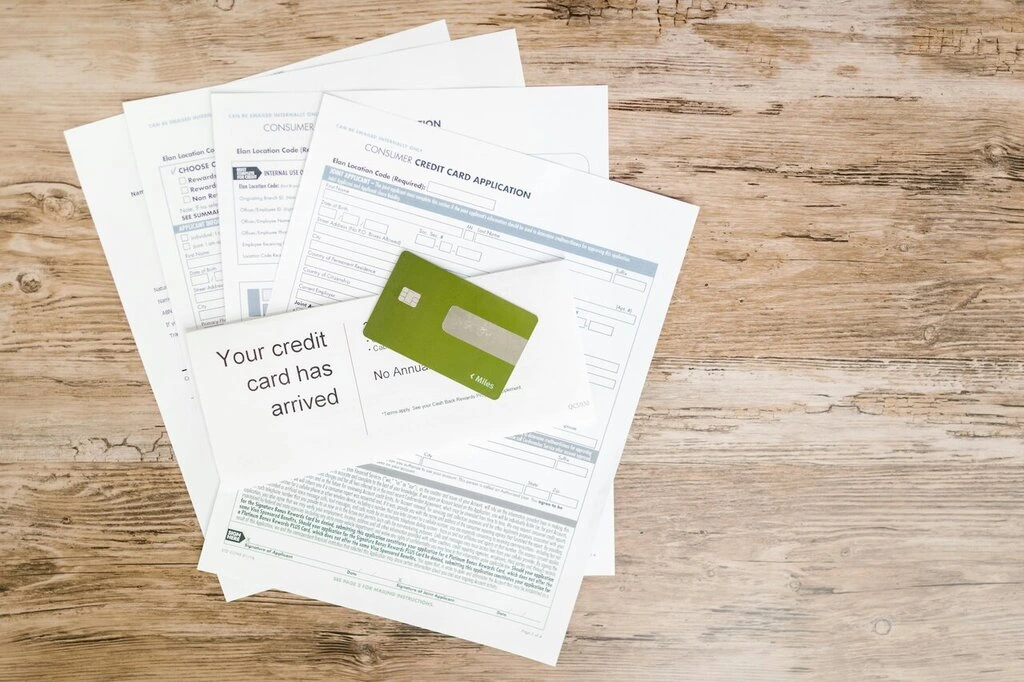
Some banks offer secured credit cards, where a deposit or asset serves as collateral for the card’s credit limit. In many cases, a cash deposit is used, but gold or other valuable assets may also support this arrangement depending on the bank’s policies.
For example, programs similar to BPI Express Start Program allow individuals with limited credit history to obtain a credit card using a holdout deposit. A typical holdout might be ₱10,000, which then becomes the card’s credit limit.
This option may be useful for borrowers who do not need a large loan but want to build a credit record. By using the card responsibly and paying balances on time, cardholders can gradually establish a positive credit history.
After around 12 months of consistent payments, some secured card programs allow users to transition to a regular unsecured credit card. At that point, the holdout amount may be released back to the borrower.
For smaller financing needs or credit-building goals, this strategy can sometimes be more beneficial than taking out a loan.
Risk Management: What Happens If You Default
Using gold as collateral carries real financial responsibility. Borrowers should always consider the risks before pledging valuable assets.
One key difference between banks and pawnshops is the grace period. Many banks allow 30 to 90 days of payment flexibility before initiating default procedures. Pawnshops, on the other hand, typically auction items soon after the loan maturity date if it is not renewed.
If a bank loan remains unpaid, the lender may eventually liquidate the collateral through a formal auction process. These auctions are often more structured than pawnshop sales, which can help preserve value.
Another important factor is credit reporting. Unlike many pawnshop transactions, bank-issued loans are usually reported to the national credit system. This means a default could affect your credit history with the Credit Information Corporation and private credit bureaus such as TransUnion Philippines.
Borrowers who encounter repayment difficulties should contact their lender early. Some institutions offer restructuring options that may prevent default and protect both the borrower’s credit and their collateral.

Conclusion
Pawnshops remain a valuable emergency resource for many Filipinos. When time is critical and paperwork must be minimal, they provide a fast path to cash. However, for borrowers who have time to plan, bank-based gold loans may offer significantly better terms.
Lower interest rates, higher loan-to-value ratios, and more structured repayment options can make a meaningful difference over time. Instead of receiving half the value of your jewelry at high monthly interest, a properly structured gold-backed loan may unlock more of its financial potential.
Digital comparison platforms simplify the process by allowing borrowers to review multiple options in one place. With a single application, it becomes easier to identify lenders that offer competitive gold-backed loans.
Before pledging any valuable jewelry, however, it is wise to consider both the financial and emotional implications. Items with deep sentimental value should only be used as collateral when absolutely necessary.
For borrowers who choose to proceed, understanding your gold’s real lending potential can be the first step toward smarter, lower-cost borrowing. And with Finmerkado, we will help you make the right choice.
Frequently Asked Questions

Yes. Some rural and commercial banks offer gold-backed loans, where jewelry is used as collateral. These loans often provide higher loan amounts and lower interest rates compared to traditional pawnshop loans.
Pawnshops usually lend 30–50% of the jewelry’s value, while banks may offer 70–80% loan-to-value, depending on gold purity, weight, and market prices.
In many cases, yes. Pawnshops typically charge 3–4% monthly interest, while banks may offer 0.8–2% monthly rates, making the total borrowing cost significantly lower.
Most lenders require a valid government ID and the jewelry itself for appraisal. If available, purchase receipts or certificates of authenticity may help support the valuation.
If the loan is not repaid, the lender may eventually auction the collateral. However, banks often provide grace periods or restructuring options before liquidation, unlike pawnshops which may auction items shortly after the loan expires.


BPI Gold Rewards Card

- Earn 1 reward point for every ₱35 spend
- Avail flexible installment plans with terms up to 36 months
- Free travel insurance up to ₱10 million
- Enjoy endless rewards and perks all year round
- Ideal for cardholders looking for premium benefits
Metrobank Travel Platinum Card

- Exclusive welcome gift for New-to-Metrobank credit cardholders
- Earn miles quickly with the Metrobank Travel Platinum Card
- Receive 1 mile for every ₱17 spent on airlines, hotels, and foreign currency transactions
- Earn 1 mile for every ₱50 spent on other categories
- Triple rewards on local airlines, hotel accomodation and international spending
- Enjoy a FREE first supplementary credit card
- Ideal for frequent travelers looking to maximize their rewards
BDO ShopMore Mastercard
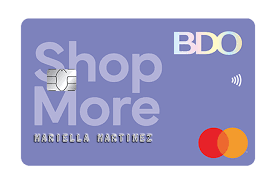
The BDO ShopMore Mastercard offers enhanced rewards and shopping benefits, making it ideal for frequent shoppers and those who prefer flexible payment options.
BDO Unibank Personal Loan
BDO Unibank’s Personal Loan offers unsecured financing of up to ₱2 million with a fully digital or branch-assisted application process. It’s an accessible cash option for immediate needs like debt consolidation, travel, events, and other lifestyle expenses. With competitive rates starting at 0.98% monthly add-on and flexible repayment up to 36 months, it’s a solid choice for salaried and self-employed individuals.
BPI Personal Loan
Need a cash boost for life’s big moments or unexpected emergencies? The BPI Personal Loan offers a reliable and flexible solution—whether you’re funding a small business, covering tuition, or consolidating debt. With competitive rates, fixed monthly payments, and a fast approval process, this loan is designed to fit your goals and your lifestyle. No collateral required, just straightforward access to funds when you need them most.
Metrobank Personal Loan

Need extra funds for emergencies, education, or big life purchases? The Metrobank Personal Loan offers flexible borrowing terms and quick processing—all from one of the country’s most established and reputable banks. With no collateral required and fixed monthly payments, it’s a convenient solution for salaried individuals looking to take control of their finances.