

Loving Your Parents Without Losing Your Future
Maria, 38 years old, is a marketing manager earning ₱65,000 a month. Every 15th, she sends ₱8,000 to her parents in the province. Last month, her father’s diabetes medication jumped to ₱12,000. This month, her daughter’s tuition is due. Maria hasn’t contributed to her MP2 in six months—and her emergency fund is down to just ₱3,000. Many in the sandwich generation face the same juggling act: supporting aging parents, raising children, managing careers, and trying to save for retirement, sometimes even relying on a credit card to cover unexpected gaps.
In the Philippines, utang na loob—our sense of gratitude and responsibility to parents—is deeply ingrained. Research from UP’s College of Social Work and Community Development shows that women in the sandwich generation often spend 8–12 hours a day on paid work plus unpaid caregiving. Yet NielsenIQ data reveals that the average Filipino emergency fund is around ₱50,000—often drained quickly by parents’ medical needs. Supporting parents today without planning can quietly turn into a burden for your own children tomorrow.
This guide is designed to help you honor your obligations while protecting your future. You’ll learn how to calculate sustainable support, set boundaries without guilt, and use practical financial tools—like senior health insurance, government-backed savings, and even credit card strategies for bridging temporary cash flow gaps—so you can care for your family and yourself.

Understanding the Filipino Sandwich Generation
Who We Are and What We Face
The sandwich generation typically includes Filipinos aged 30–50 who are supporting parents over 60 while raising children under 18. Many live in multigenerational households, while others send money home to parents in the province.
Caregiving still falls disproportionately on women, who often juggle careers, childcare, and elder care simultaneously. Financially, this group faces unique pressure points:
- Healthcare costs continue to rise, with 2026 seeing one of Asia’s steepest increases
- Only a small percentage of elderly Filipinos have meaningful retirement savings
- Parents are living longer, often with chronic conditions
- Children’s education competes directly with parents’ medical needs
- Your own retirement quietly moves further down the priority list
Emotionally, it’s just as heavy. There’s guilt when you say no to parents who sacrificed for you. Resentment when siblings don’t contribute equally. Anxiety about becoming your children’s future responsibility. And burnout from doing everything at once.
Here’s the mindset shift that matters most:
Supporting your parents sustainably means making sure you won’t need rescuing later. That’s not selfish—it’s strategic love.

The True Cost of Supporting Aging Parents
Calculating the Real Financial Impact
Typical monthly support in 2026 looks like this:
- Basic allowance: ₱3,000–₱5,000 (province), ₱6,000–₱10,000 (Metro Manila)
- Medication buffer: ₱2,000–₱5,000 for chronic conditions
- Emergency healthcare: ₱50,000–₱100,000 per incident
- Critical illness (cancer, stroke, heart disease): ₱500,000–₱2,000,000
Hidden costs also matter:
- Opportunity cost: ₱8,000/month to parents = ₱96,000/year not invested
- Over 10 years: ₱960,000 + lost compound interest (~₱1.3M at 6%)
- Delayed retirement: Every year of support pushes retirement back 6 months
Sustainable Support Formula: Maximum 10–15% of monthly net income to parents. Example: ₱50,000 income = ₱5,000–₱7,500/month. Anything beyond this requires sibling contributions or alternative solutions like insurance.
Setting Financial Boundaries Without Guilt
The Oxygen Mask Principle
Secure your own financial foundation first: emergency fund, retirement savings, and household needs. Only then can support be sustainable.
Steps to implement:
- Calculate your 10–15% support limit
- Hold a family meeting with siblings
- Document agreements in writing
- Review annually based on income or parents’ health
Sibling conversation script example:
“I love our parents and want to support them long-term. Based on my finances, I can contribute ₱X monthly. Can we talk about how we’ll split the rest?”
Alternative support methods include converting cash gifts to direct bill payments, offering time instead of money, and leveraging government programs like PhilHealth senior coverage or DSWD social pensions.
When to say no: When support enables unhealthy behavior, jeopardizes your children’s education, or puts your retirement at risk. Boundaries preserve your long-term capacity to give.
Financial Products That Help Dual Caregivers
Insurance and Investment Solutions
- PhilHealth Senior Coverage: Mandatory basic coverage
- Critical Illness Insurance: Fills the ₱500K–₱2M gap
- Hospitalization Plans: Covers recurring hospital costs
- Retirement Savings: MP2, SSS Flexi Fund, PERA
- Split Strategy: Allocate 60% of extra income to retirement, 40% to parent support
Healthcare and Long-Term Care Planning
Planning ahead saves money and stress. Most families wait until a crisis hits, but knowing costs and options in advance is key.
Typical Healthcare Timeline
Key tip: Most senior insurance caps at 70–75 years old. Purchasing coverage earlier ensures your parents’ needs are met without high premiums or denied claims.
Estate Planning and Family Meetings
Prepare for the conversations no one wants but everyone needs. Topics to cover:
- Parents’ assets, income, debts
- Monthly support needs
- Fair sibling contributions
- Emergency scenarios
- Legal documents: will, property transfers, special power of attorney
Cultural framing: Use utang na loob positively—“You cared for us; now let us ensure your legacy is protected.”
Burnout Prevention: You Matter Too
Signs of caregiver burnout: financial anxiety, resentment, neglect of own family, and feeling trapped.
Sustainable strategies:
- Temporary respite care (₱500–₱800/day)
- Financial therapy or counseling
- Online support groups for sandwich generation caregivers
- Scheduled “no support” days for your own family
Investing just ₱2,000/month in self-care preserves your capacity to earn and give far more over time.

Conclusion
Final Thoughts: Loving Sustainably Is Still Loving
Start with 10–15% for parental support, secure your own emergency fund, retirement, and insurance first. Use financial products strategically and document agreements clearly. Supporting parents is an act of love—but doing it sustainably ensures you can continue loving them for years without compromising your future.
If you’re ready, explore senior health insurance, retirement investments, and critical illness coverage on Finmerkado to find tools that fit your family’s needs.
Your parents raised you to be responsible. Being responsible now means ensuring you won’t need rescuing later. That’s the ultimate utang na loob—breaking the cycle of financial dependency.
Frequently Asked Questions

Stick to 10–15% of net income. Beyond that requires shared responsibility.
Secure emergency funds first, then split surplus 60% retirement / 40% parent support.
Hold a meeting, present numbers objectively, propose fair sharing based on capacity, and document agreements.
PhilHealth first, then critical illness coverage, then hospitalization plans.
Frame it as sustainability: “I want to support you long-term, so I need limits.”
Possibly, if you provide majority support and they meet BIR requirements—confirm with an accountant.
Protect what you can control: your savings, insurance, and financial boundaries.
Prioritize MP2, SSS Flexi, or PERA now. Financial independence is your greatest gift to them.


BDO ShopMore Mastercard
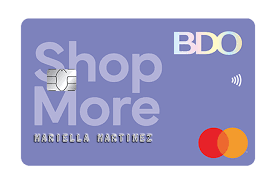
The BDO ShopMore Mastercard offers enhanced rewards and shopping benefits, making it ideal for frequent shoppers and those who prefer flexible payment options.
Metrobank M Free Card

- NO annual fee for life
- NO minimum spent requirement
- Worldwide acceptance 0% installment programs
- Exclusive Promotions and Offers
- Ideal for those looking to maximize financial control and convenience
Robinsons Bank Credit Card

-
BDO Unibank Personal Loan
BDO Unibank’s Personal Loan offers unsecured financing of up to ₱2 million with a fully digital or branch-assisted application process. It’s an accessible cash option for immediate needs like debt consolidation, travel, events, and other lifestyle expenses. With competitive rates starting at 0.98% monthly add-on and flexible repayment up to 36 months, it’s a solid choice for salaried and self-employed individuals.
BPI Personal Loan
Need a cash boost for life’s big moments or unexpected emergencies? The BPI Personal Loan offers a reliable and flexible solution—whether you’re funding a small business, covering tuition, or consolidating debt. With competitive rates, fixed monthly payments, and a fast approval process, this loan is designed to fit your goals and your lifestyle. No collateral required, just straightforward access to funds when you need them most.
PNB Personal Loan
The PNB Personal Loan offers unsecured, flexible financing of up to ₱2 million with low introductory add‑on interest rates starting at around 1% monthly. This translates into a starting APR around 12%, though actual rates can vary depending on borrower risk profile and loan tenure. With repayment terms from 3 to 60 months, it’s ideal for personal goals such as renovation, events, education, or debt consolidation. Fully digital or branch‑assisted application options make it accessible and convenient.