

Holy Week in the Philippines has always carried a quiet duality. It is both deeply spiritual and unmistakably practical. While many Filipinos prepare for reflection, prayer, and family reunions, there is also the reality of planning, budgeting, and navigating one of the busiest travel periods of the year—often deciding whether to rely on cash, savings, or a well-managed credit card to cover the journey.
In 2026, that balancing act feels sharper. Travel is no longer about splurging after years of lockdowns. It is about being intentional. Rising fuel prices, unpredictable expenses, and tighter household budgets are shaping a new kind of traveler. Not one who stays home, but one who travels smarter, using every financial tool available—including the responsible use of a credit card for flexibility and tracking.
This is where financial awareness becomes just as important as your itinerary.

The 2026 Travel Reality Check
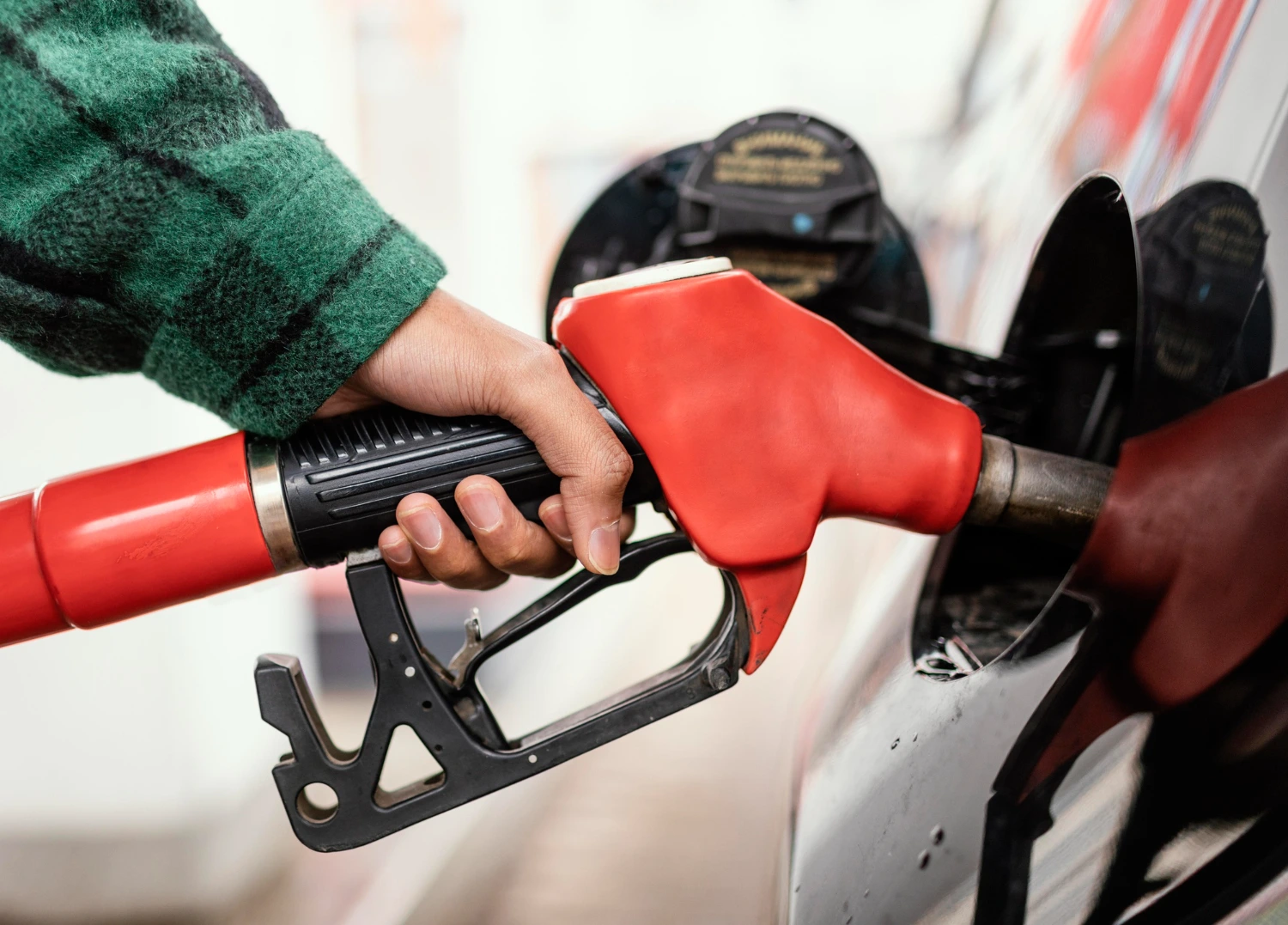
Fuel prices remain one of the biggest variables for Holy Week travelers. As of March 2026, gasoline prices in the Philippines have shown moderate volatility, hovering slightly above 2025 Holy Week levels due to global supply adjustments and regional demand spikes. While not at crisis highs, the difference is enough to impact long-distance road trips, especially for families traveling in SUVs or vans.
At the same time, more Filipinos are choosing the road over the runway. Recent travel surveys suggest that around 65% to 70% of Filipino families now prefer road trips over flights during peak holidays. The reasons are straightforward. Driving offers flexibility, avoids surge-priced airfare, and allows for more meaningful stops along the way, especially for Visita Iglesia routes.
However, what many underestimate are the “invisible” costs that quietly stack up:
- Toll fees that can reach ₱1,000+ roundtrip depending on destination
- Parking charges in crowded pilgrimage sites
- Frequent food stops, often unplanned, every two to three hours
- Convenience store spending that feels small but accumulates quickly
To make this clearer, here is a realistic breakdown for a typical Luzon road trip:
Even without luxury spending, costs can quickly approach five digits.
The Finmerkado Fuel-Smart Framework
The difference between a stressful trip and a smooth one often comes down to structure. A clear financial plan allows you to focus on the experience rather than the expenses.
Pre-Trip: Set Your “Gas + Grub” Limit
Before leaving, estimate your total trip cost and divide it into daily spending caps. This is where Finmerkado’s budgeting tools become especially useful. By projecting your fuel consumption and expected food stops, you can create a realistic ceiling instead of guessing along the way.
For example, if your total budget is ₱10,000 for three days, allocating around ₱3,300 per day keeps spending controlled without feeling restrictive.
During the Trip: Track in Real Time
One of the most common travel pitfalls is the “magastos sa probinsya” effect. Prices may seem lower, but frequency of spending increases.
Using a mobile banking app or expense tracker allows you to monitor your budget as it happens. Even simple tracking can prevent overspending by making you more aware of small, repeated purchases.
Post-Trip: Turn Leftovers Into Growth
If you return with unused travel funds, resist the urge to absorb them into everyday spending. Redirecting that money into a high-yield savings account or digital bank creates a habit of “travel efficiency.”
Over time, this turns every well-managed trip into a small financial win.

2026-Specific Hacks for Smarter Travel
Travel behavior in 2026 has evolved. It is no longer just about where you go, but how you move.
Timing Your Departure
Leaving early is not just about avoiding traffic. It directly affects fuel consumption. Idling in heavy congestion burns fuel without covering distance.
Data from traffic patterns suggests that departing before 5 AM on Maundy Thursday or traveling late at night significantly reduces idle time and improves fuel efficiency.
Cash vs. E-Wallet Strategy
While digital payments are widespread in cities, many pilgrimage destinations still operate on cash.
A balanced strategy works best:
- Withdraw enough cash before leaving urban areas
- Use e-wallets for fuel stations and major establishments
- Avoid excessive ATM withdrawals in provincial areas where fees may apply
The “Gas Station Stock Market”
Fuel prices in the Philippines typically adjust weekly, often on Tuesdays. Monitoring price trends the week before Holy Week can help you decide when to fill up.
A simple rule many experienced drivers follow:
- Fill up midweek before anticipated price hikes
- Avoid last-minute refueling during peak travel days when stations are crowded
Even small price differences per liter can translate into hundreds of pesos saved over a long trip.

Alternative: The Staycation Portfolio
Not everyone will hit the road this Holy Week. For some, staying home is the smarter financial choice.
If you are working with a ₱15,000 travel budget, consider what that amount could do if redirected:
This approach reframes the decision. You are not “missing out” on travel. You are reallocating resources toward future stability or growth.

Conclusion
Travel With Intention, Not Just Tradition
Holy Week travel will always hold emotional and cultural significance. Whether it is a long drive back to your hometown or a quiet Visita Iglesia across nearby provinces, the experience remains deeply personal.
What has changed in 2026 is the mindset. Travelers are becoming more deliberate. Every peso is planned, every stop considered, and every expense measured against value.
This is where Finmerkado positions itself not just as a financial platform, but as a practical companion. By helping you estimate, track, and optimize your travel spending, it allows you to focus on what truly matters during Holy Week.
From Quiapo to Quezon, or wherever your journey takes you, the goal is simple. Travel with purpose, return without regret, and carry forward both meaningful memories and financial clarity.
Frequently Asked Questions

Most families should prepare between ₱8,000 to ₱13,500 depending on distance, vehicle type, and travel duration.
Early morning departures before peak traffic hours help reduce idling and improve fuel efficiency.
Not always. Many rural areas still require cash, so a mix of both is recommended.
Using mobile banking apps or simple expense trackers helps you monitor spending in real time and stay within budget.
It depends on your priorities. Travel offers experience, while saving or investing builds financial stability. Both can be valuable when planned properly.


BPI offers many financial options for varied purposes. BPI offers personal, commercial, investment, and credit products and services to meet various financial needs. This makes financial management easier for individuals and organizations by providing a one-stop banking solution.

Maya Philippines, Inc. prioritizes speed and efficiency. The minute-long online application process lets people apply and get approved swiftly. Once accepted, cash are quickly delivered to the customer's bank account, demonstrating the company's commitment to fast service, especially for repeat customers.
Maya Landers Cashback Credit Card

- No annual fee with just one monthly transaction
- Earn up to 5% cashback at Landers on in-store and online purchases
- Get 2% cashback on dining and 1% cashback on other local or international spends.
- Exclusive Landers perks—enjoy discounts, promos, and store access with your membership.
- Complete in-app control—freeze/unfreeze, view transactions, manage limits, and redeem cashback instantly.
BPI Platinum Rewards Card

- Earn 2 BPI points for every ₱30 local spend
- Earn 2 BPI points for every ₱20 foreign currency spend online and abroad
- Convert straight payments on airfares to installment with 0% interest
- Get up to ₱10 million free travel insurance
- Get up to 180 days of purchase protection insurance
- Enjoy complimentary airport lounge passes in 1,300+ lounges worldwide
- Ideal for frequent travelers looking for premium benefits
Petron BPI Card

- Earn 3% rebate on fuel
- Free ₱200 fuel voucher for first-time cardholders
- Avail of flexible and convenient installment plans
- Convert your credit limit to cash for emergencies
- Ideal for car owners
BDO Unibank Personal Loan
BDO Unibank’s Personal Loan offers unsecured financing of up to ₱2 million with a fully digital or branch-assisted application process. It’s an accessible cash option for immediate needs like debt consolidation, travel, events, and other lifestyle expenses. With competitive rates starting at 0.98% monthly add-on and flexible repayment up to 36 months, it’s a solid choice for salaried and self-employed individuals.
BPI Personal Loan
Need a cash boost for life’s big moments or unexpected emergencies? The BPI Personal Loan offers a reliable and flexible solution—whether you’re funding a small business, covering tuition, or consolidating debt. With competitive rates, fixed monthly payments, and a fast approval process, this loan is designed to fit your goals and your lifestyle. No collateral required, just straightforward access to funds when you need them most.
EastWest Personal Loan

Unsecured personal loan designed for flexible multi-purpose use—whether for tuition, travel, or business needs. Offers terms up to 60 months and competitive add-on rates.