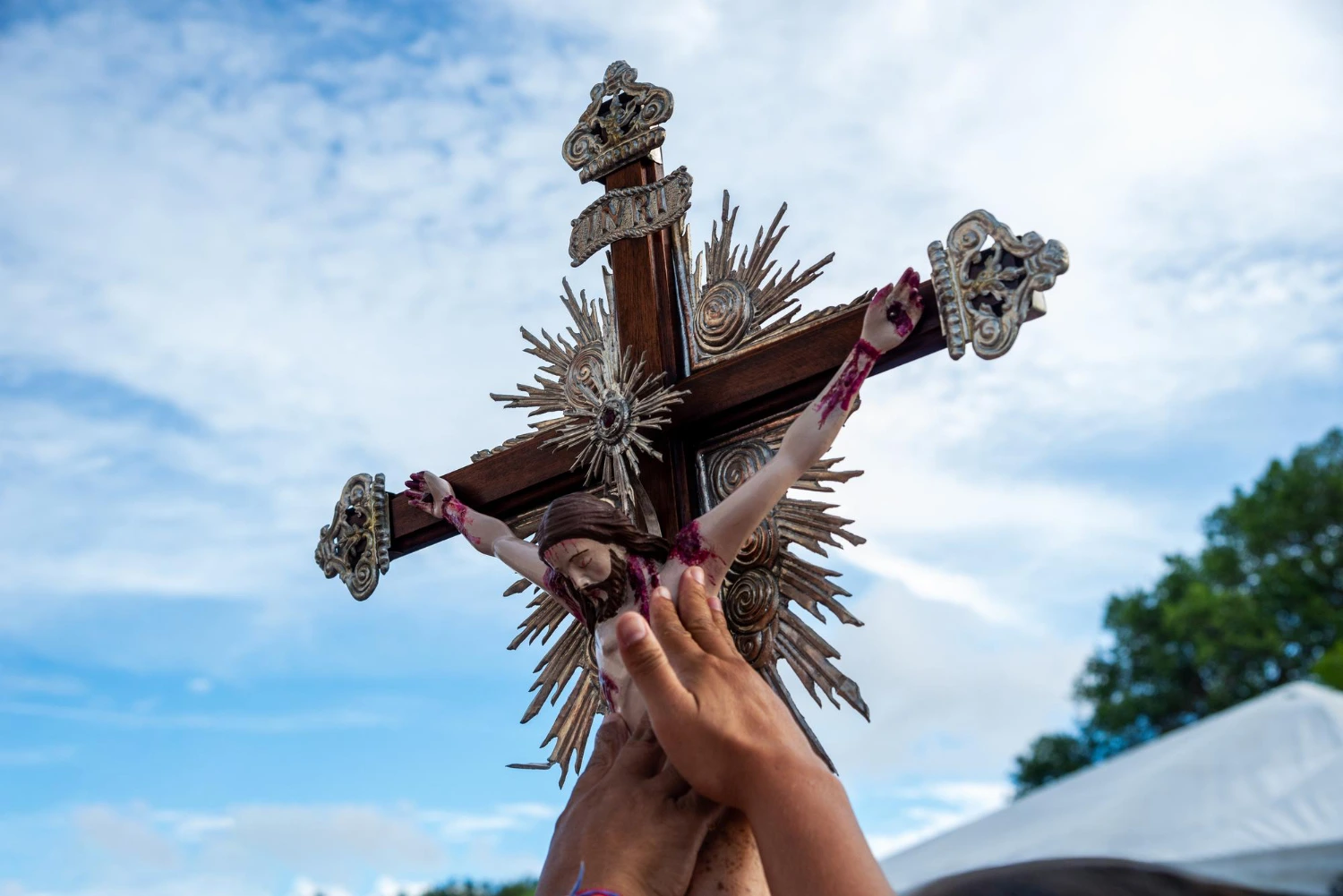



Holy Week offers a rare kind of pause. For many Filipinos, it is a time to step back from routine, reflect on life, and reconnect with what truly matters. While this reflection is often spiritual or personal, it can be just as powerful when applied to your finances.
Money, after all, shapes much of our daily lives. Yet it is easy to move through months on autopilot, spending, saving, and borrowing, especially through tools like a credit card, without fully evaluating whether our habits still align with our goals.
As we close the first quarter of 2026, Holy Week presents a timely opportunity to reset. Think of it as a financial checkpoint. A moment to review what worked, correct what did not, and prepare intentionally for the months ahead.
This 7-day financial reset guide will help you reflect, rebalance, and rebuild your financial foundation so you can enter Q2 with clarity and confidence.

Your Day-by-Day Financial Reflection Guide
Each day of Holy Week represents a simple but meaningful financial action. Taken together, they create a complete reset for your money habits.

Palm Sunday – Review
Begin with awareness.
Take a close look at your spending from January to March. Check your bank statements, e-wallet history, and credit card usage. Ask yourself: Where did my money actually go?
Many Filipinos are surprised to find how much goes into small, repeated expenses such as food delivery, subscriptions, or impulse purchases.
Also evaluate your savings progress. Did you hit your targets? If not, what held you back?
This is not about judgment. It is about clarity. You cannot improve what you do not measure.

Holy Monday – Reduce
Once you understand your spending, the next step is trimming the excess.
Identify at least three expenses you can cut or reduce. These could include unused subscriptions, duplicate streaming services, or lifestyle upgrades that no longer add value.
A helpful approach is to ask: “Would I still pay for this if my income dropped tomorrow?”
If the answer is no, it is likely something you can let go of.
Even small cuts can create meaningful savings over time, especially when redirected toward more important financial goals.

Holy Tuesday – Reconcile
Now it is time to fix your budget.
Compare your planned budget versus your actual spending. Identify categories where you consistently overspend. Common examples include dining out, transportation, and online shopping.
Adjust your budget to reflect reality, not ideal expectations. A budget only works if it is sustainable.
You can also use this day to organize your financial records, track pending bills, and ensure that all your accounts are up to date.
This step brings structure back into your finances and helps you avoid repeating the same mistakes in Q2.
Holy Wednesday – Redirect
With money freed up from reduced expenses, the next step is to give it purpose.
Redirect these funds toward high-impact financial priorities such as:
- Paying down high-interest debt
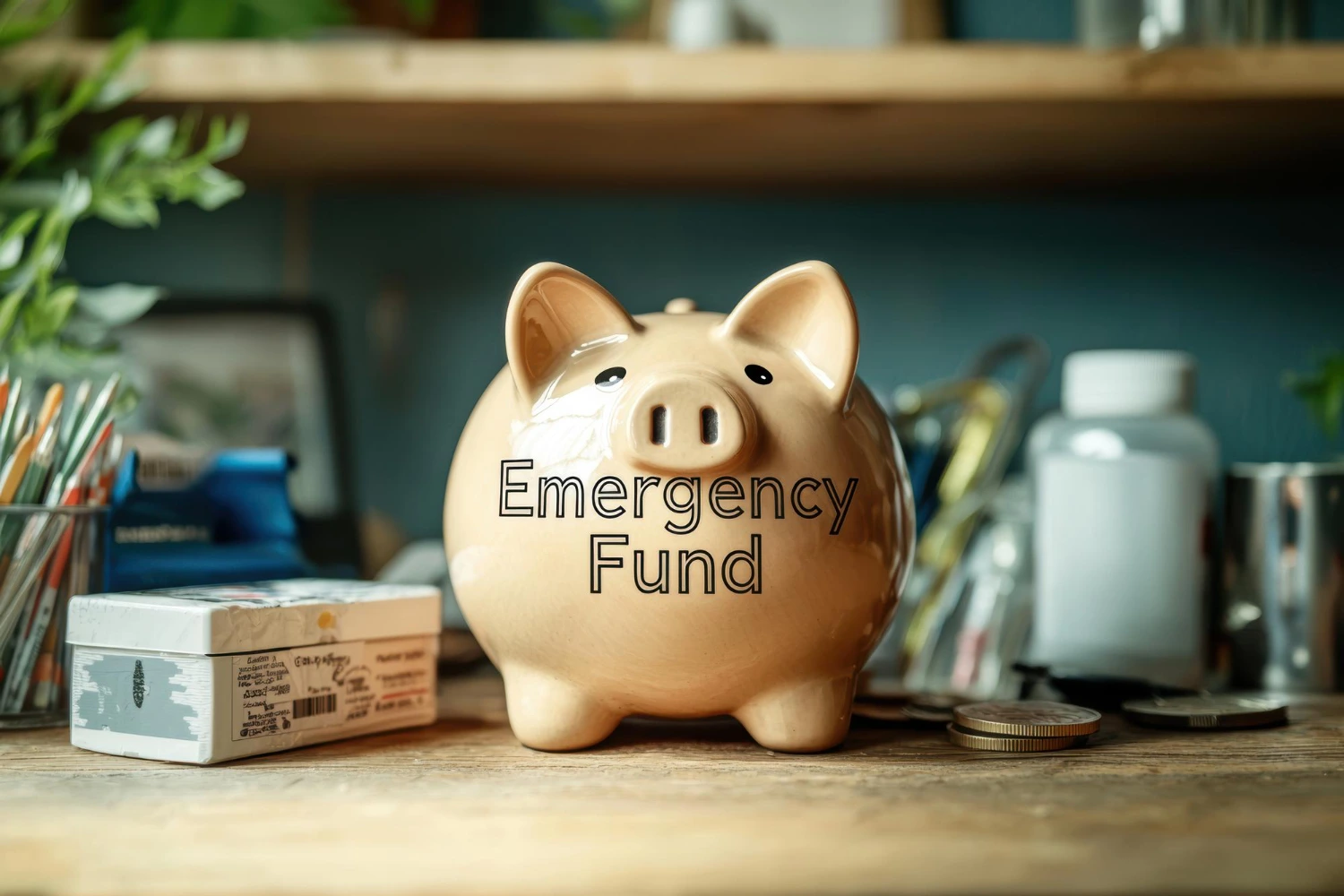
- Building or strengthening your emergency fund
- Increasing your savings contributions
For example, if you cut ₱1,500 worth of subscriptions, that amount could already boost your emergency fund or reduce your loan balance faster.
This is where real progress begins. Not from earning more, but from using what you already have more effectively.
Maundy Thursday – Give
Financial health is not only about saving and spending. It also includes generosity.
Set aside a portion of your income for giving, whether it is for your church, community, or causes you care about. Planning this ahead ensures that giving becomes intentional rather than reactive.
In the Philippine context, charitable donations may also come with tax benefits when given through accredited organizations.
More importantly, giving creates balance. It reminds you that money is not just a tool for personal gain, but also for impact.

Good Friday – Sacrifice
This is the most challenging but often the most transformative step.
Commit to a 30-day spending fast. Choose one category where you tend to overspend, such as dining out, online shopping, or coffee runs.
For the next 30 days, avoid spending in that category entirely.
This exercise builds discipline and helps reset your habits. It also reveals how much of your spending is driven by impulse rather than necessity.
By the end of the 30 days, you will likely have saved more than expected and gained better control over your financial decisions.
Easter Sunday – Renew
End the week with a fresh start.
Set three clear financial goals for Q2. Make them specific and measurable. For example:
- Save ₱10,000 in emergency funds by June
- Pay off 30% of your outstanding debt
- Limit dining out expenses to ₱2,000 per month
Break each goal into smaller milestones so you can track your progress.
Renewal is about moving forward with intention. You are not just reacting to your finances anymore. You are actively shaping them.

Practical Tools to Support Your Reset
A financial reset becomes more effective when supported by the right tools.
Platforms like Finmerkado offer practical resources that can help you stay organized and make smarter decisions, including:
- Budget calculators to track income and expenses
- Savings trackers to monitor your progress toward financial goals
- Loan and investment simulators to plan ahead with realistic projections
These tools simplify complex financial decisions and give you a clearer picture of where you stand.
Using them regularly can turn your Holy Week reset into long-term financial discipline.
Conclusion
Holy Week is a time for reflection, sacrifice, and renewal. These same principles apply powerfully to your financial life.
By taking just seven days to review your habits, reduce unnecessary spending, and reset your goals, you create a stronger foundation for the rest of 2026.
Financial growth does not always require drastic changes. Sometimes, it begins with small, intentional steps taken at the right time.
This Holy Week, give yourself the opportunity to pause, reflect, and rebuild.
Download the Finmerkado Holy Week Financial Checklist and start your journey toward a more secure and intentional financial future.
Frequently Asked Questions

Holy Week naturally provides a pause in routine, making it an ideal time to reflect on spending habits, reassess goals, and plan for the next quarter.
Begin by checking your bank statements, e-wallet transactions, and credit card bills from Q1. Categorize your expenses to see where your money went.
A spending fast means avoiding a specific expense category for a set period, usually 30 days. It helps build discipline and reduce unnecessary spending.
Finmerkado offers tools like budget calculators, savings trackers, and loan simulators to help you make informed financial decisions and stay on track.

BPI Signature Card

- Earn 2 BPI points for every ₱20 spend
- Get up to ₱20 million free travel accident and inconvenience benefit
- Enjoy complimentary access for you and one guest at PAGSS international lounges in NAIA 1 and NAIA 3
- Get exclusive 50% off deals on dining, hotels, resorts, fitness studios, and wellness centers, all year round
- Ideal for frequent travelers
Metrobank Platinum Mastercard

- Exclusive welcome gift for New-to-Metrobank credit cardholders
- Earn rewards points effortlessly: 1 point for every ₱20 spent
- Enjoy exclusive discounts of up to 50% on premium dining
- Get peace of mind with eCommerce purchase protection
- No annual fee for your first supplementary card
- Ideal for those seeking effortless rewards on their everyday purchases
RCBC Flex Gold Visa

- 2X Rewards points on three preferred categories
- Change your preferred categories once every billing cycle
- Flexible Rewards redemption options (shopping vouchers, cash rebates and more)
- Free Travel Insurance & Purchase Protection
- Get access to the Marhaba/Skyview Airport Lounge
- Free budget monitoring tools
- Ideal for young professionals
BDO Unibank Personal Loan
BDO Unibank’s Personal Loan offers unsecured financing of up to ₱2 million with a fully digital or branch-assisted application process. It’s an accessible cash option for immediate needs like debt consolidation, travel, events, and other lifestyle expenses. With competitive rates starting at 0.98% monthly add-on and flexible repayment up to 36 months, it’s a solid choice for salaried and self-employed individuals.
Chinabank Personal Loan

Chinabank’s Easi‑Funds Personal Loan (via China Bank Savings) offers unsecured financing of up to ₱1 million, positioned similarly to peer offerings. It carries an add‑on interest rate of approximately 1.3%–1.5% monthly, translating to an estimated APR of 16%–19% depending on loan tenure and credit profile. Tenure options generally range from 12 to 36 months, while approval often comes within 3 to 5 banking days. Being backed by Chinabank’s extensive branch network and digital infrastructure, it combines legacy banking strength with modern convenience.
Maya Personal Loan

Want a personal loan that’s 100% mobile and super convenient? The Maya Personal Loan is built for the digital lifestyle, no paperwork, no long lines. With just your Maya app, you can apply, get approved, and manage your loan. Whether it’s for bills, tuition, or a financial cushion, Maya’s fully digital loan service puts speed and flexibility right in your hands.