
The Perfect Storm for EV Adoption in the Philippines
For many Filipino motorists, the past few years have felt like a never-ending cycle of fuel price hikes. In early 2026, global oil markets rattled consumers again as geopolitical tensions in the Middle East pushed crude prices upward, quickly driving up pump prices in the Philippines. For drivers already juggling rising food, rent, and electricity costs, every liter of gasoline suddenly feels heavier on the wallet. Some households are even reconsidering how they manage transportation expenses—whether that means relying more on a credit card for fuel purchases or thinking about an auto loan for a more fuel-efficient vehicle.
At the same time, the country’s transportation landscape is quietly changing. Electric vehicle registrations are climbing fast, with 29,715 EVs registered from January to July 2025, already surpassing the 24,286 recorded in all of 2024. What once seemed like a niche technology is entering the mainstream, and with fuel prices climbing alongside generous government incentives, many analysts believe 2025–2026 could mark a tipping point for EV adoption in the Philippines.

The Fuel Crisis Context: Why Now Is the Time to Consider EVs
The urgency around alternative mobility isn’t just theoretical—it’s being driven by real economic pressures. In the span of just a few days between February and March 2026, gasoline benchmarks in the region reportedly jumped more than 13%, highlighting how quickly global oil markets can shift.
The consequences go beyond higher transport costs. Some off-grid communities in the Philippines have experienced 6 to 16 hour power interruptions due to diesel supply constraints for generators. Meanwhile, even government agencies are exploring alternatives. The national police force has begun considering electric vehicles for parts of its fleet to reduce long-term fuel expenses.
For everyday drivers, the appeal of EVs often comes down to a simple calculation: cost per kilometer. Electric vehicles typically cost around ₱3–₱4 per kilometer in electricity, depending on local power rates and charging habits. Gasoline vehicles, by contrast, can cost significantly more depending on fuel efficiency and market prices.
When viewed over a five-year total cost of ownership, the savings can become substantial. While electricity prices can fluctuate, they tend to be far less volatile than global oil markets. For many Filipinos, this stability is becoming just as attractive as the environmental benefits.

Understanding Your Options: EV Types Explained for the Philippine Market
The electric vehicle market isn’t limited to one type of car. Filipino buyers actually have several electrified options, each suited to different lifestyles and budgets.
Battery Electric Vehicles (BEVs)
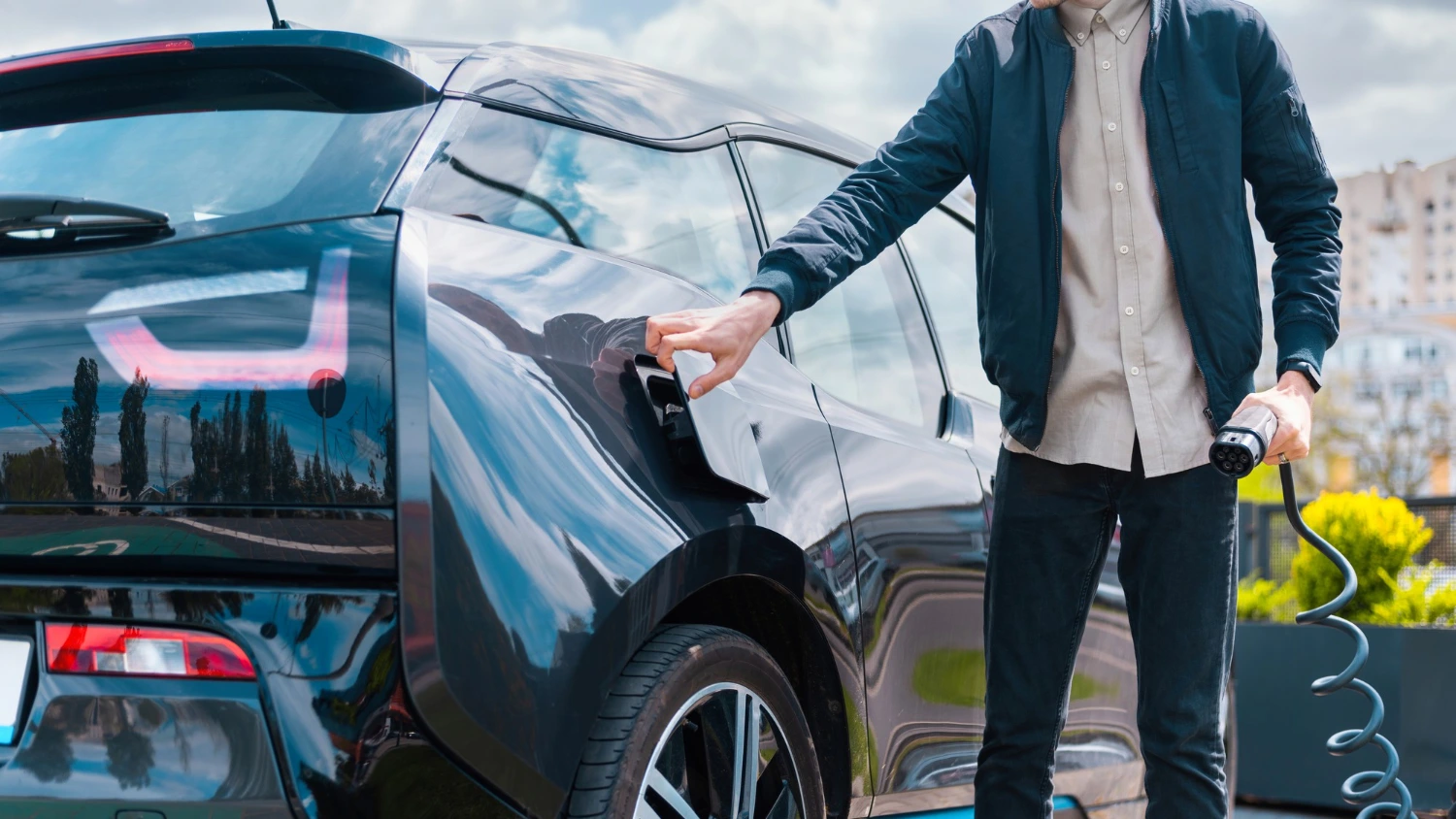
Battery electric vehicles run entirely on electricity and produce zero tailpipe emissions. Under Philippine tax policy, BEVs receive some of the most generous incentives available. The TRAIN Law grants them full excise tax exemption, significantly lowering their effective price compared to similar internal combustion vehicles.
These models tend to work best for urban drivers or fleets with reliable charging access, such as companies that operate vehicles from centralized depots.
Hybrid Electric Vehicles (HEVs)
Hybrids combine a gasoline engine with an electric motor but do not require external charging. The battery is replenished through regenerative braking and the engine itself. In the Philippines, hybrids enjoy a 50% reduction in excise tax, making them an appealing middle ground for drivers who want better fuel efficiency without worrying about charging infrastructure.
For first-time EV adopters or long-distance provincial drivers, hybrids often serve as a practical entry point.
Plug-in Hybrid Electric Vehicles (PHEVs)
Plug-in hybrids offer both worlds: a battery that can be charged externally and a gasoline engine for extended trips. However, a regulatory update clarified that PHEVs do not qualify for the full tax exemptions reserved for BEVs, meaning their fiscal advantages are smaller than some buyers initially assumed.
Still, they remain attractive for motorists who want electric commuting during the week and gasoline backup for long road trips.
Light Electric Vehicles (LEVs) and E-Trikes
In terms of sheer numbers, the most dominant EV segment in the Philippines is not cars but two- and three-wheelers. Electric tricycles and scooters play a major role in local transport modernization programs. As of recent industry data, sales of two- and three-wheeled EVs vastly outnumber four-wheel units, reflecting their importance in public transportation and delivery services.

Government Incentives & Financial Benefits
The Philippine government has actively encouraged EV adoption through a mix of tax breaks and policy support.
Beyond tax savings, EV owners also benefit from non-fiscal incentives. These include exemptions from certain vehicle number coding restrictions in major cities, priority processing at licensing offices, and designated parking slots in some commercial buildings.
For businesses and public transport operators, financing support is also expanding. Programs like SPEED PUV from LandBank and PASADA from DBP provide loan facilities designed to help operators transition to modern, more efficient vehicles. Meanwhile, the Public Utility Vehicle modernization initiative offers subsidies that can reach ₱280,000 for eligible units.
For readers exploring financing options, tools like Finmerkado’s auto loan comparison resources can help estimate monthly payments and evaluate lenders offering competitive rates.
Market Landscape: Available Models & Price Points
The Philippine EV market is evolving quickly, with new brands and models entering every year.
Chinese manufacturers have made a particularly strong push into the affordable segment. Brands such as BYD and MG now offer electric vehicles priced between ₱1.2 million and ₱2 million, dramatically lowering the entry barrier for buyers who previously viewed EVs as luxury items.
Established automakers are also strengthening their presence. Vehicles like the Nissan Leaf and Hyundai Kona Electric have become recognizable names in the country’s early EV market. Meanwhile, Toyota continues to dominate the hybrid segment with a wide range of electrified models.
Local manufacturing may also help reduce costs in the coming years. Investments in domestic EV assembly facilities suggest that prices could gradually fall as supply chains mature.
Another emerging opportunity is the second-hand EV market, as early adopters begin upgrading to newer models. Buyers interested in used EVs should pay close attention to battery health reports and service history, as battery condition plays a major role in long-term value.
Infrastructure Reality Check: Charging in the Philippines
One of the most common concerns about EVs is charging availability. Nationwide, there are now hundreds of charging points across more than 100 locations, though many remain concentrated in Metro Manila and other urban centers.
Government policy is gradually addressing this gap. Regulations now encourage large gas stations to install EV charging equipment, helping integrate electric mobility into existing transport infrastructure.
Home charging remains the most convenient solution for many drivers. However, condominium residents sometimes face additional challenges if their building lacks EV-ready parking spaces. Some developers and property managers are beginning to install shared chargers to meet growing demand.
For longer trips, improved route planning and expanding charging networks are helping reduce the so-called “range anxiety” that once discouraged potential buyers.
Challenges & Considerations for Filipino Buyers
Despite rapid progress, electric vehicles still present several challenges.
The most obvious barrier is upfront cost. Even with incentives, EVs generally remain more expensive than comparable gasoline vehicles. This is why many experts recommend evaluating the total cost of ownership over several years rather than focusing solely on the purchase price.
Another concern involves battery longevity, particularly in tropical climates like the Philippines. High temperatures can accelerate battery degradation if vehicles are not properly managed. Fortunately, most major manufacturers now provide extended battery warranties designed to reassure buyers.
Maintenance infrastructure is also still expanding. While service centers are growing in number, they remain more common in large cities than in rural areas. Training programs are gradually addressing the shortage of EV-specialized technicians.
Insurance and resale values are evolving as well. As the market matures and more EVs enter circulation, pricing models for insurance and used vehicles are expected to become clearer.

The Road Ahead: 2025–2028 Outlook
The next few years may prove decisive for the country’s electric mobility transition. Policymakers continue refining long-term strategies to encourage both adoption and domestic manufacturing.
Industry projections suggest EVs could soon represent around 6% of new vehicle sales, with much higher targets set for the coming decades. Under national clean energy scenarios, EVs could account for 10% of the vehicle fleet by 2034 and as much as 50% by 2050.
Corporate fleets are likely to play a major role in this transition. Companies that adopt EVs early may benefit not only from fuel savings but also from stronger sustainability credentials—an increasingly important factor for global investors and partners.
Action Guide: Making the Switch
For drivers considering the transition, a practical approach can make the decision much clearer.
Start by examining your daily driving pattern. Short urban commutes often favor full EVs, while mixed highway travel might make hybrids or plug-in hybrids more practical.
Next, estimate the five-year cost of ownership, including electricity or fuel, maintenance, insurance, and resale value. This broader perspective often reveals that EVs can become financially competitive over time.
Buyers should also confirm that the vehicle qualifies for official incentives and ensure documentation is properly issued by accredited dealers. A test drive is equally important—real-world driving conditions in the Philippines can differ significantly from laboratory range estimates.

Conclusion
For decades, the Philippine transportation system has relied heavily on gasoline and diesel. But the combination of volatile fuel prices, stronger government incentives, and rapid advances in electric vehicle technology is beginning to change that equation.
With tax benefits secured for several years and charging infrastructure gradually expanding across the country, the economic argument for electric mobility is stronger than ever. What once seemed like a niche option for early adopters is quickly becoming a realistic alternative for everyday Filipino motorists.
For readers considering the switch, comparing financing options and long-term costs is an important step. Platforms like Finmerkado can help drivers explore auto loan options, estimate monthly payments, and evaluate the total cost of owning a vehicle—whether it’s a traditional car, hybrid, or fully electric model.
As fuel prices remain unpredictable and electrification gains momentum, taking the time to evaluate your options today could lead to significant savings tomorrow. The road ahead for Philippine mobility is increasingly electric—and the transition may be closer than many drivers think.
Frequently Asked Questions

In many cases, yes. EVs typically cost around ₱3–₱4 per kilometer in electricity, which can be significantly cheaper than gasoline depending on fuel prices. Over several years, savings on fuel and maintenance may offset the higher upfront cost.
Fully electric vehicles qualify for 0% excise tax under the TRAIN Law, along with reduced registration fees and discounts on the Motor Vehicle User’s Charge (MVUC). Import duties on EVs are also temporarily reduced under current government policy.
Yes. Many EVs are exempt from the Metropolitan Manila vehicle number coding scheme, making them especially attractive for daily commuters.
The country currently has hundreds of charging points across more than 100 locations, mostly concentrated in major cities such as Metro Manila, Cebu, and parts of Luzon. Infrastructure continues to expand each year.
It depends on driving habits. Hybrids are ideal for drivers who travel long distances or lack access to charging. Fully electric vehicles, on the other hand, offer the lowest running costs for urban commuters who can charge regularly.

BPI offers many financial options for varied purposes. BPI offers personal, commercial, investment, and credit products and services to meet various financial needs. This makes financial management easier for individuals and organizations by providing a one-stop banking solution.


Provides versatile banking solutions tailored for individuals, businesses, and corporations, allowing customers to manage finances and access essential resources conveniently through a robust mobile application, branch network, and ATMs for a seamless banking experience.
BPI Amore Platinum Cashback Card

- Get 4% cash back on dining and online delivery spend
- Get 1% cash back on supermarkets and department store spend
- Earn up to 0.3% cash back on other international and local retail spend
- Enjoy exclusive perks and deals at any Ayala Malls nationwide
- One of the lowest forex conversion rates at 1.85%
- Ideal for people who enjoy shopping while saving
Petron BPI Card

- Earn 3% rebate on fuel
- Free ₱200 fuel voucher for first-time cardholders
- Avail of flexible and convenient installment plans
- Convert your credit limit to cash for emergencies
- Ideal for car owners
RCBC Flex Gold Visa

- 2X Rewards points on three preferred categories
- Change your preferred categories once every billing cycle
- Flexible Rewards redemption options (shopping vouchers, cash rebates and more)
- Free Travel Insurance & Purchase Protection
- Get access to the Marhaba/Skyview Airport Lounge
- Free budget monitoring tools
- Ideal for young professionals
BPI Personal Loan
Need a cash boost for life’s big moments or unexpected emergencies? The BPI Personal Loan offers a reliable and flexible solution—whether you’re funding a small business, covering tuition, or consolidating debt. With competitive rates, fixed monthly payments, and a fast approval process, this loan is designed to fit your goals and your lifestyle. No collateral required, just straightforward access to funds when you need them most.
BDO Unibank Personal Loan

BDO Unibank’s Personal Loan offers unsecured financing of up to ₱2 million with a fully digital or branch-assisted application process. It’s an accessible cash option for immediate needs like debt consolidation, travel, events, and other lifestyle expenses. With competitive rates starting at 0.98% monthly add-on and flexible repayment up to 36 months, it’s a solid choice for salaried and self-employed individuals.
PNB Personal Loan

The PNB Personal Loan offers unsecured, flexible financing of up to ₱2 million with low introductory add‑on interest rates starting at around 1% monthly. This translates into a starting APR around 12%, though actual rates can vary depending on borrower risk profile and loan tenure. With repayment terms from 3 to 60 months, it’s ideal for personal goals such as renovation, events, education, or debt consolidation. Fully digital or branch‑assisted application options make it accessible and convenient.