Your daily MRT ride could be building your financial future—and most commuters don’t even realize it. In the Philippines, transportation is one of the most consistent monthly expenses, making it a surprisingly powerful way to start building your credit history when paid using a credit card. When used correctly, small, repeat payments like Beep card reloads can help you establish responsible credit behavior while enjoying the convenience of cashless commuting.
This guide explains how everyday transport expenses can work double duty: getting you where you need to go and helping you build credit along the way.
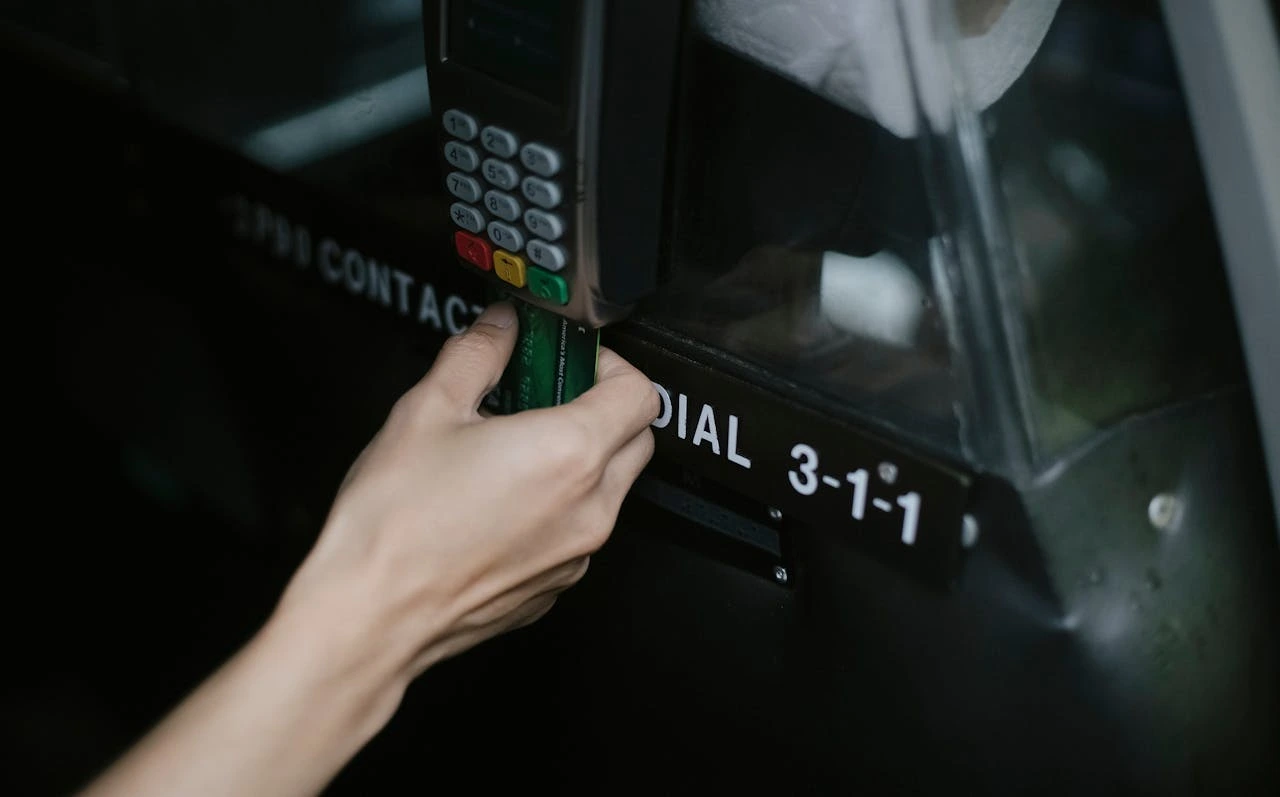
The Credit Building Opportunity
How transportation spending builds credit history
Credit cards report your payment behavior to credit bureaus. When you use a card for transportation—and pay your balance on time—you create a record of consistent, responsible usage.
Why small, frequent payments work best
Beep reloads and transit payments are:
- Predictable
- Low-cost
- Regular
These are ideal traits for beginners who want to avoid large balances while still showing activity.
Why payment history matters most
Payment history accounts for 35% of your credit score, making it the single most important factor. Even small transactions, when paid on time every month, can have a meaningful long-term impact.
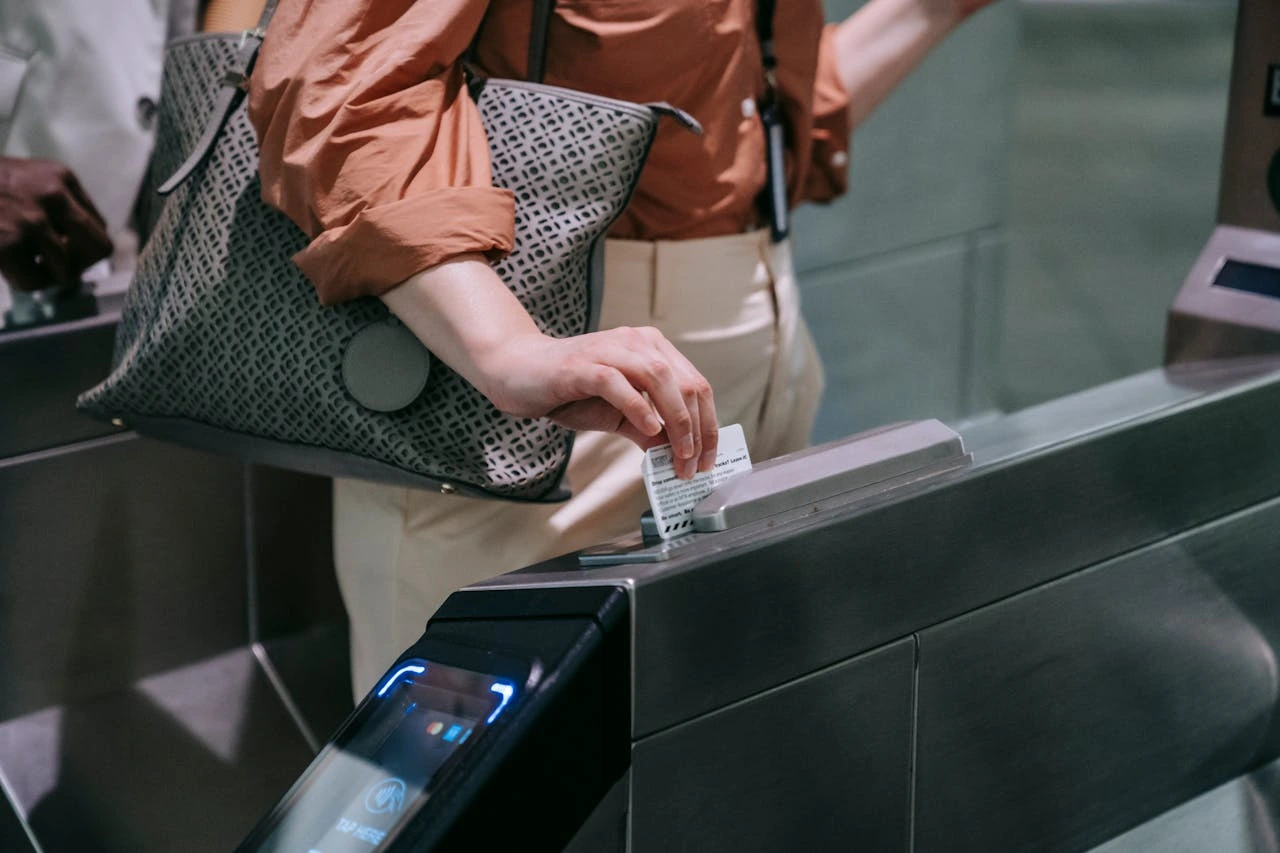
Beep Card Integration Methods
Linking credit cards to GCash auto-reload
Many commuters connect their credit cards to GCash and enable Beep auto-reload. This ensures regular transactions without manual effort.
Using contactless payments at MRT-3
Select MRT-3 stations now accept contactless credit card payments, allowing riders to tap and go without cash or reload lines.
Reloading Beep at convenience stores
Stores like Ministop and Lawson allow Beep reloads using credit cards, making it easy to integrate commuting into your credit usage.
Setting recurring loads
Scheduled or habitual reloads create steady transaction activity—perfect for building a positive usage pattern.

Best Credit Cards for Transportation Beginners

Smart Usage Strategies
Set a monthly transportation budget
Decide how much you realistically spend on commuting and stay within that amount.
Automate payments
Enable auto-debit or calendar reminders to ensure full, on-time payments every month.
Track spending digitally
Use your banking app or e-wallet history to monitor transport-related expenses easily.
Avoid overspending
The goal is consistency, not volume. Never spend more just to build credit.

Beyond Beep – Expanding Credit Building
P2P bus payments
More bus services are beginning to accept card-based and app-linked payments.
Ferries and regional transport
Some ferry terminals now allow digital or card transactions, expanding credit-building opportunities beyond Metro Manila.
What’s next
As the Philippines continues its push toward cashless transport, more modes will likely integrate card payments—creating even more chances to build credit through daily life.

Conclusion
Building credit doesn’t always start with big purchases or expensive bills. Sometimes, it starts with your daily commute. By using transportation expenses strategically, you can create a strong foundation for your financial future—one tap, swipe, or reload at a time.
Next steps:
Choose a beginner-friendly credit card, use it consistently for transport, pay on time, and track your progress.
Explore your options with Finmerkado’s Credit Card Comparison Tool and find the right card to start your credit journey today.
Frequently Asked Questions

Yes. When charged to a credit card and paid on time, transport payments contribute to your payment history, which is a major factor in credit scoring.
Yes, as long as the reload is paid using a credit card via apps, stations, or partner stores.
Entry-level, student, or secured credit cards are ideal due to lower limits and easier approval.
Absolutely. Consistency and on-time payment matter more than the amount spent.
Set a transport budget, automate payments, and use your card only for planned commuting expenses.


Offers a rapid online application process that takes minutes, ensuring quick approval and fund transfers to returning customers' bank accounts.
BPI Amore Cashback Card
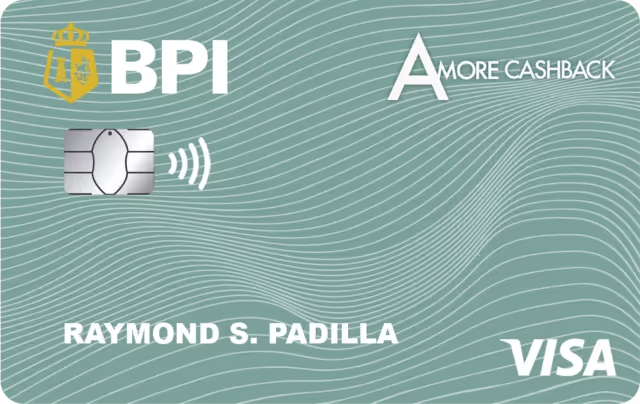
- Get up to 4% cash back on supermarkets and department store spend
- Get up to 1% cash back on drugstore and bills payment spend
- Earn up to 0.3% cash back on all other local retail spend
- Enjoy unlimited access exclusive customer and family lounges in Ayala Malls
- One of the lowest forex conversion rates at 1.85%
- Ideal for cardholders who love saving while shopping
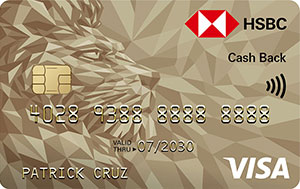
HSBC Gold Visa Cashback
Metrobank Rewards Plus Card

- Double rewards points on ALL online, gadget, and telco spend
- Earn 1 never-expiring point for every ₱20 spend
- Ideal for online shoppers and tech enthusiasts
BDO Unibank Personal Loan
BDO Unibank’s Personal Loan offers unsecured financing of up to ₱2 million with a fully digital or branch-assisted application process. It’s an accessible cash option for immediate needs like debt consolidation, travel, events, and other lifestyle expenses. With competitive rates starting at 0.98% monthly add-on and flexible repayment up to 36 months, it’s a solid choice for salaried and self-employed individuals.
Chinabank Personal Loan

Chinabank’s Easi‑Funds Personal Loan (via China Bank Savings) offers unsecured financing of up to ₱1 million, positioned similarly to peer offerings. It carries an add‑on interest rate of approximately 1.3%–1.5% monthly, translating to an estimated APR of 16%–19% depending on loan tenure and credit profile. Tenure options generally range from 12 to 36 months, while approval often comes within 3 to 5 banking days. Being backed by Chinabank’s extensive branch network and digital infrastructure, it combines legacy banking strength with modern convenience.
EastWest Personal Loan

Unsecured personal loan designed for flexible multi-purpose use—whether for tuition, travel, or business needs. Offers terms up to 60 months and competitive add-on rates.