




You send ₱30,000 home every month.
You’ve helped build a house in Cavite.
You’ve paid for your sibling’s college tuition.
But when you return to the Philippines in five years?
You might have zero credit history.
That’s the quiet paradox many Overseas Filipino Workers (OFWs) face. Despite sending billions back home and keeping the Philippine economy afloat, many return financially “invisible” to local banks.
There are an estimated 1.8 million documented OFWs deployed worldwide, contributing over $30 billion annually in remittances. Yet fewer than 20% maintain active Philippine credit cards that build a local credit profile.
It’s not because OFWs lack income. In fact, many earn significantly more than their counterparts in the Philippines. The issue is structural: no local Income Tax Return (ITR), no Philippine employer Certificate of Employment (COE), no physical presence for verification—and often, no existing credit record with the Credit Information Corporation (CIC).
The result? After years abroad, some returning OFWs struggle to get approved for car loans, mortgages, or business financing—unless they pay higher interest rates or put up large collateral.
Building credit while overseas isn’t a luxury. It’s repatriation insurance.
In this guide, we’ll cover:
- Why OFWs face the “credit paradox”
- Why Philippine credit history matters long term
- The best credit card options for OFWs
- How to apply from abroad
- How to build and protect your credit
- A smart return strategy for loans and homeownership
Your remittances built homes. Now let’s build your financial identity.

.webp)
The OFW Credit Paradox
The Income Reality
Many OFWs earn incomes that would comfortably qualify for premium credit cards locally.
- Middle East workers (construction, hospitality): ₱50,000–₱150,000/month
- Healthcare professionals (UK, US, Canada): ₱200,000–₱500,000/month
- Seafarers: ₱80,000–₱200,000/month, often tax-free
On paper, these incomes are strong. In reality, Philippine banks often struggle to assess foreign-based earnings.
Why Banks Say No (Or Say Nothing)
Common challenges OFWs face:
- No Philippine ITR
- No local employer COE
- Foreign employment contracts unfamiliar to credit evaluators
- No Philippine credit history to score
Even though the Credit Information Corporation consolidates data from banks and lending institutions, if you’ve never had a Philippine loan or credit card, there’s simply no data to assess.
Banks aren’t rejecting OFWs because of risk—they often lack sufficient local documentation.
The Return Shock
Consider “Juan,” 45, who worked 20 years in Saudi Arabia. He returned with savings and dreams of buying a car and investing in a small business.
But without credit history:
- No pre-approved car loan
- Higher down payment requirements
- Slower mortgage processing
- No premium credit card offers
He becomes a cash buyer or nothing.
The cost of financial invisibility includes:
- Higher interest rates
- Developer in-house financing traps
- Collateral-heavy requirements
- Delayed property acquisition
After decades of sacrifice, that’s not the welcome home anyone deserves.

Why Philippine Credit History Matters
1. The Housing Goal
Most OFWs eventually dream of coming home to their own property.
While Pag-IBIG Fund housing loans don’t strictly require a credit card history, having one can improve your overall financial profile.
For bank financing:
- Strong credit history: 6–8% interest
- Thin file: 10–12% or stricter conditions
Developer in-house financing? Often 12–18%—a costly shortcut many take due to weak credit files.
2. The Business Goal
Returning OFWs often start small businesses.
Institutions like Social Security System (SSS) and commercial banks may review your personal credit profile before approving SME or business loans.
A clean credit record signals reliability—even if your income was earned overseas.
3. The Lifestyle Reality
Credit history affects more than loans:
- Utility deposits (e.g., Meralco) may be waived for strong profiles
- Postpaid plans from Globe Telecom or Smart Communications often require credit checks
- Car loans: 10% down payment vs. 20–30% without history
4. Psychological Security
Beyond numbers, credit is identity.
You are not “just” a remittance sender. You are a future homeowner, entrepreneur, and financially independent Filipino.
Creditworthiness restores dignity.
Card Options for OFWs
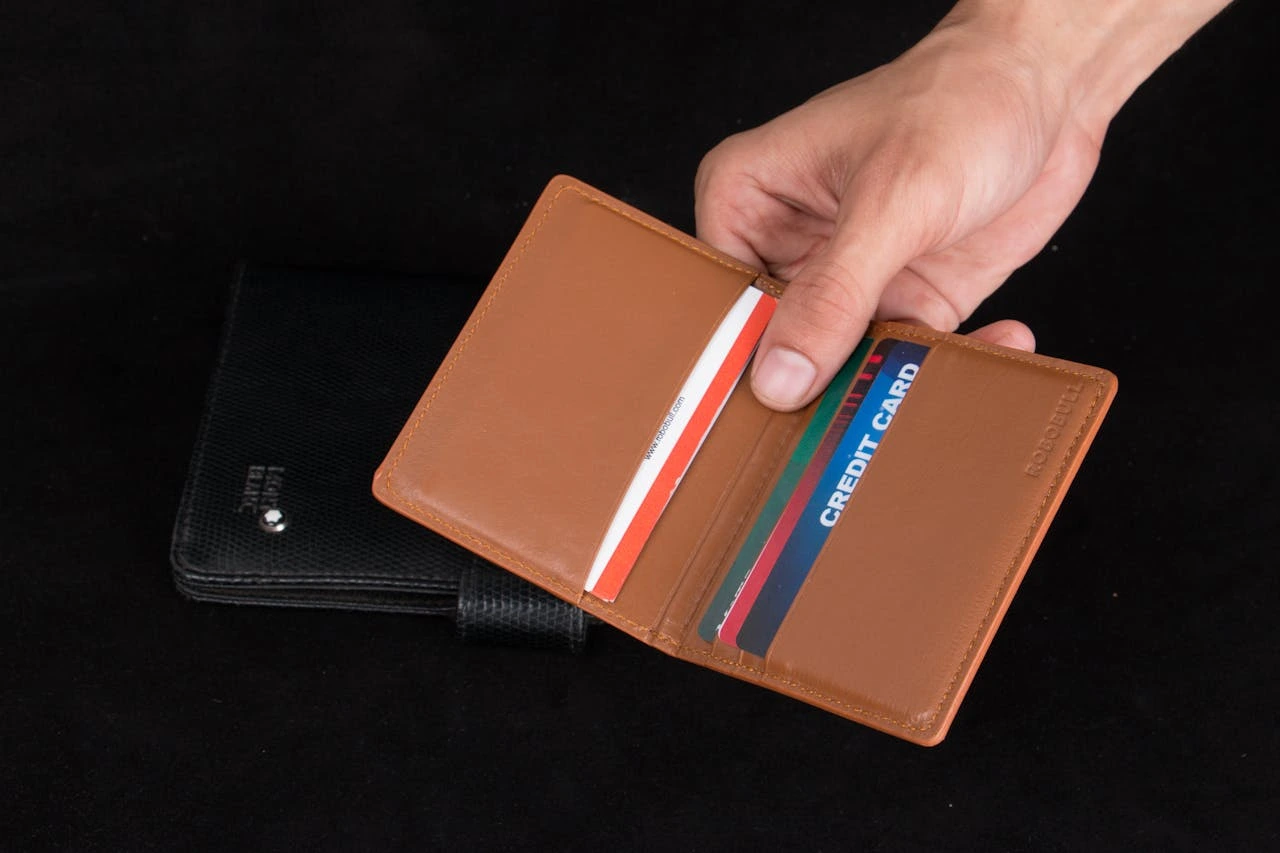
Option 1: Secured Credit Cards (Safest Starting Point)
A secured card requires a holdout deposit, which becomes your credit limit.
How it works:
Deposit ₱10,000–₱100,000 → Get equivalent credit limit.
Popular options include:
- BPI – Express Start (₱10K minimum hold)
- Metrobank – Savings-secured card
- Security Bank – Fast Track (can graduate in 6–12 months)
Best for: First-time builders, conservative OFWs
Pro: High approval rate
Con: Funds temporarily locked
Option 2: Remittance-Backed Cards
Some banks recognize consistent remittance patterns.
- BDO – OFW-focused products linked to remittance history
- Philippine National Bank (PNB) – Global Filipino card
Typical requirements:
- 6-month remittance history
- Valid overseas employment contract
- Minimum monthly remittance (often ₱15K+)
Best for: Regular senders with documented transfers
Pro: No deposit required
Con: Stricter documentation review
Option 3: International Banking Relationships
If you bank with HSBC or global institutions abroad, you may leverage that relationship.
However, most international cards do not report to the Philippine Credit Information Corporation.
This option works best if the same bank has Philippine operations and recognizes global relationships.
Option 4: Co-Applicant Strategy
Spouse or parent in the Philippines becomes primary cardholder. OFW becomes supplementary.
Advantage: Immediate access
Risk: Primary holder’s payment behavior affects the OFW’s credit standing
This strategy works best when trust and financial discipline are strong within the family.
Applying from Abroad
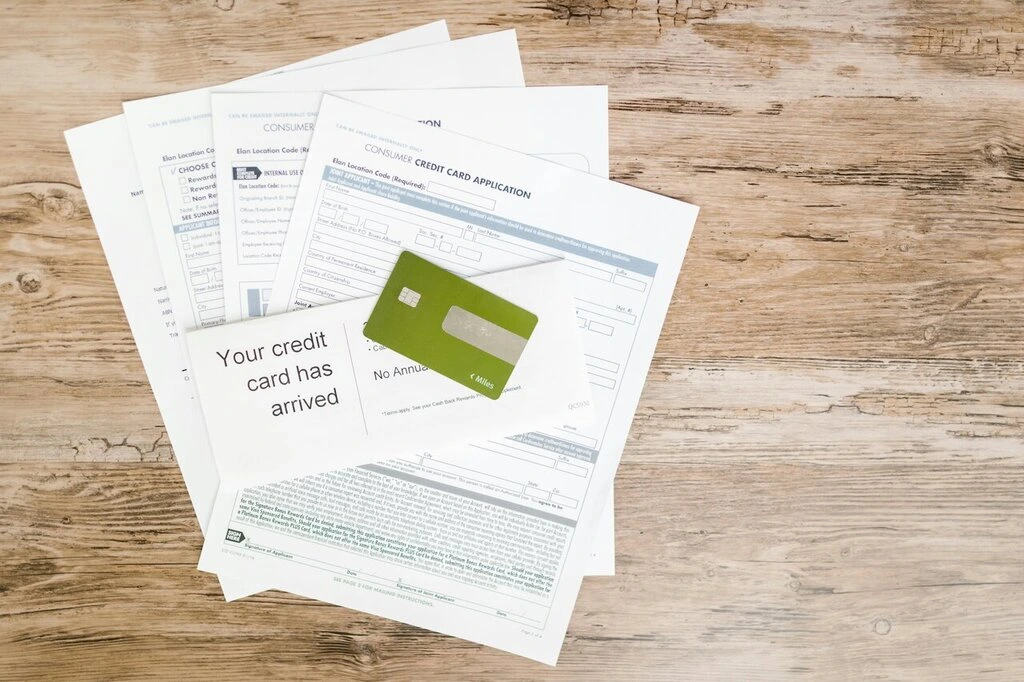
Documents to Prepare
- Passport (with visa pages)
- Employment contract
- 3 months’ payslips
- Overseas Employment Certificate
- Remittance receipts (if applicable)
Application Channels
Many Philippine banks now offer digital onboarding:
- BPI
- Metrobank
- Security Bank
Other options:
- Apply through Philippine embassies
- Authorize a family member via Special Power of Attorney
- OFW-specific verification programs (common in Middle East deployments)
The Interview
Video KYC (Know Your Customer) is becoming standard.
Expect questions about:
- Contract duration
- Employer verification
- Remittance purpose
- Long-term return plans
Preparation matters. Have documents ready in digital format.
Building Credit While Overseas
1. Automate Everything
- Set auto-debit from a Philippine savings account
- Maintain at least ₱20,000 buffer
- Use the card for small, recurring expenses (Netflix PH, Spotify PH, Lazada/Shopee for family)
Small charges + full payment monthly = ideal credit behavior.
2. Monitor From Afar
- Request annual report from the Credit Information Corporation
- Use mobile banking apps
- Activate email alerts (avoid roaming SMS charges)
3. The 6-Month Upgrade
After six months of perfect payments:
- Request credit limit increase
- Convert secured card to unsecured
- Apply for a second rewards card
Two years of clean history dramatically improves loan approval odds.
The Return Strategy
Six Months Before Coming Home
- Keep cards active
- Lower balances
- Request higher credit limits
Higher limits + low utilization = stronger credit profile.
Upon Return
- Update your address
- Convert OFW-specific products to regular cards
- Request bank reference letters
The First Big Loan
With 2+ years of clean history:
- Car loan approvals become easier
- Personal loans for business capital gain better terms
- Mortgage rates approach prime tiers
Avoid common pitfalls:
- Closing old cards (hurts credit age)
- Maxing out cards for “welcome home” spending
- Ignoring statements during transition chaos

Conclusion
Your Credit Is Part of Your Legacy
Your remittances built houses. Your sacrifices paid for tuition, hospital bills, and daily needs. But beyond the money you send home, there’s another foundation worth building—your Philippine credit history. Long after contracts end and balikbayan boxes stop arriving, your financial reputation will shape how easily you buy a home, start a business, or secure a loan when you finally return for good.
Building credit while abroad isn’t about lifestyle upgrades—it’s about long-term security. It’s repatriation insurance. With the right card strategy, disciplined payments, and a clear return plan, you come home not just with savings, but with financial credibility. If you’re ready to compare OFW-friendly options and take the first step, platforms like Finmerkado can help you evaluate credit cards that match your goals. Your future in the Philippines deserves more than just remittances—it deserves a strong credit foundation.
Frequently Asked Questions

Yes. Many Philippine banks allow OFWs to apply from overseas through online applications, video KYC (Know Your Customer), or via an authorized representative with a Special Power of Attorney (SPA). You’ll typically need your passport, employment contract, payslips, and remittance records. Secured credit cards are often the easiest option for first-time applicants.
Not usually. Most foreign-issued credit cards do not report to the Philippines’ central credit registry under the Credit Information Corporation (CIC). To build a Philippine credit history, you need a locally issued credit card or loan that reports to the CIC.
For beginners, a secured credit card is often the safest and most accessible choice. It requires a holdout deposit (e.g., ₱10,000+), which becomes your credit limit. After 6–12 months of good payment behavior, many banks allow you to convert it into a regular unsecured credit card.
You can start generating credit records within 3–6 months of responsible card use. However, for major loans like car financing or a home loan, banks typically prefer at least 1–2 years of consistent, on-time payments and low credit utilization.
Savings help with down payments, but credit history affects:
- Loan approval speed
- Interest rates (lower rates for stronger profiles)
- Required down payment percentages
- Access to postpaid plans and utility accounts
Without credit history, returning OFWs may face higher loan rates or stricter requirements—even with strong savings.


Metrobank M Free Card

- NO annual fee for life
- NO minimum spent requirement
- Worldwide acceptance 0% installment programs
- Exclusive Promotions and Offers
- Ideal for those looking to maximize financial control and convenience
AUB Classic Mastercard
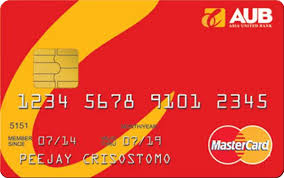
Classic features with flexible payments and rewards
Security Bank World Mastercard

- Earn 3x points for every ₱20 spent
- Access over 1,300 lounges across 500+ airports worldwide
- Receive free travel insurance coverage up to ₱10 million
- Receive up to $200 coverage when you shop online
- Discover exclusive dining, spa and retail offers from select airport merchants
- Ideal for travelers seeking extensive travel perks
CIMB Personal Loan

Fully digital, unsecured personal loan with fast approval and disbursement. Ideal for emergencies, business needs, or lifestyle goals.
BDO Unibank Personal Loan
BDO Unibank’s Personal Loan offers unsecured financing of up to ₱2 million with a fully digital or branch-assisted application process. It’s an accessible cash option for immediate needs like debt consolidation, travel, events, and other lifestyle expenses. With competitive rates starting at 0.98% monthly add-on and flexible repayment up to 36 months, it’s a solid choice for salaried and self-employed individuals.
EastWest Personal Loan

Unsecured personal loan designed for flexible multi-purpose use—whether for tuition, travel, or business needs. Offers terms up to 60 months and competitive add-on rates.