




January 3, 2025.
An estimated 3.2 million Filipinos wake up from the holidays not with joy—but with a holiday debt hangover. The gifts have been unwrapped, the handa is gone, and January bills are already knocking—many now tied to credit card balances and short-term personal loans used to fund Christmas spending.
Surveys and financial studies consistently show that around 60% of Filipino families go into debt to pay for Christmas celebrations. For many, this debt doesn’t disappear after the New Year—it quietly stretches into March, June, or even the next Christmas season as interest accumulates on unpaid credit cards and holiday loans.
Why does this keep happening? And more importantly—how can Filipino families celebrate Christmas without sacrificing their financial future? This guide breaks down the psychology, real costs, warning signs, and smarter alternatives, so you can protect both your traditions and your wallet.

The Psychology of Filipino Holiday Debt
Cultural Pressure Points That Make Christmas “Non-Negotiable”
Christmas in the Philippines is not optional—it’s emotional, social, and cultural.
- Hiya (face-saving): No one wants to look “kulang” during reunions.
- Family obligations: Godchildren expect gifts. Balikbayan relatives are welcomed with special meals.
- Office culture: Christmas parties, exchanges, and contributions feel mandatory.
- Faith and tradition: From Simbang Gabi to Noche Buena, celebrations feel sacred.
When spending becomes tied to love, faith, and respect, saying “we can’t afford it” feels almost immoral—even when it’s financially necessary.
How Marketing Exploits Filipino Values
Retailers and lenders understand this deeply.
By September, Christmas messaging is everywhere:
- “Para sa pamilya”
- “Deserve mo ito”
- “Celebrate now, pay later”
Social media multiplies the pressure. TikTok and Instagram turn celebrations into performances, quietly normalizing utang for aesthetics.
Installments and short-term loans make debt feel harmless—until January arrives.
The Debt Normalization Cycle
Many Filipinos grow up seeing this pattern:
- Borrow for Christmas
- Pay off debt mid-year
- Forget the stress
- Repeat next December
Because “everyone does it,” the long-term damage is ignored. Celebration today is prioritized over financial stability tomorrow.
The Real Cost of Filipino Christmas Spending
Average Christmas Spending vs Monthly Income
The problem isn’t celebration—it’s spending beyond one month’s income.
Hidden Expenses People Forget
Most families budget for gifts and food—but forget about:
- Pre-Christmas: Simbang Gabi snacks, transport, school activities
- December utilities: Higher electricity and water bills
- Post-holiday: New Year celebrations, tuition, uniforms
- Interest:
- Credit cards: ~25% annually
- Informal lenders (5-6): up to 20% weekly
- Credit cards: ~25% annually
That “small loan” quietly becomes one of the most expensive Christmas items.
Regional Differences That Add Pressure
- Metro Manila: Higher prices, easier access to credit
- Provinces: Stronger community pressure to host
- OFW families: Expectation to send money or host bigger gatherings
Urban vs rural: Different access to banks—but same debt risks

5 Warning Signs You’re Heading for a Holiday Debt Disaster
Sign #1: Using Multiple Credit Cards
Red flag: Maxing out cards for gifts and groceries
Reality: Interest kicks in by January
Better move: Cash-only Christmas envelope system
Sign #2: Borrowing from Informal Lenders
Red flag: Resorting to 5-6 operators
Reality: 20% weekly interest
Better move: Compare licensed lenders using platforms like Finmerkado before borrowing
Sign #3: No Christmas Budget
Red flag: “Tingnan na lang natin” shopping
Reality: Holiday impulse buying spikes
Better move: Gift list with price caps
Sign #4: Paying Bills with Credit
Red flag: Charging utilities and groceries
Reality: Compound interest snowballs
Better move: Pre-plan December bills
Sign #5: Emotional Shopping
Red flag: Buying to cope with stress or loneliness
Reality: Emotional purchases often cost more
Better move: Pause, set limits, talk it out

Smart Alternatives That Preserve Filipino Traditions
Budget-Friendly Noche Buena
Tip: Go local, go potluck, and share costs.
Thoughtful Gifts Under ₱300
- Homemade food
- Personalized notes
- Group gifts
- Experience-based gifts
- Early shopping to avoid December markups
Meaning doesn’t come from price tags.
Celebration Alternatives
- Home-based gatherings
- Barangay celebrations
- Virtual reunions for OFWs
Emphasizing religious traditions over consumerism

Post-Holiday Debt Recovery Plan
Step 1: January Damage Control
- List all debts
- Note interest rates
- Prioritize highest-interest balances
Step 2: Consolidation Options
Instead of juggling multiple payments:
- Personal loans for consolidation
- Balance transfers
- Structured family repayment plans
Finmerkado helps compare regulated consolidation options, reducing the risk of falling into deeper debt.
Step 3: Build Better Habits
- Start a Christmas fund in January
- Set family expectations early
Re-evaluate which traditions truly matter
Real Filipino Success Stories
- OFW family: Planned early, avoided loans entirely
- Minimum wage earner: ₱5,000 budget, zero debt
- Middle-class family: Cut spending by 50%—same joy, less stress
Debt-free Christmas is possible.

Conclusion
Christmas should bring peace, not panic. With better awareness, simple planning, and the right financial tools, Filipino families can honor meaningful traditions without carrying stress into the new year. Celebrating well doesn’t mean spending more; it means understanding real costs, setting limits early, and choosing joy over pressure.
When borrowing can’t be avoided, transparency matters. Comparing regulated options, using budgeting templates, and making informed decisions through platforms like Finmerkado can prevent short-term celebrations from becoming long-term burdens. Because the best Christmas gift you can give your family isn’t something wrapped under the tree, but financial stability that lasts long after the holidays are over.
Frequently Asked Questions

Christmas in the Philippines carries strong cultural, family, and religious expectations. Many families feel pressured to spend on gifts, food, and gatherings—even if it means using a credit card or personal loan. Emotional spending, social comparison, and easy access to holiday loans make debt feel “normal,” even when it stretches household budgets.
It depends on how you plan to repay. Credit cards can work for short-term expenses if you can pay the full balance immediately. Personal loans may be more manageable for larger amounts because of fixed payments and clearer timelines. Comparing total costs and interest rates—through platforms like Finmerkado—helps borrowers avoid surprises.
A common rule is to keep Christmas expenses within one month of your regular income. Spending beyond this—especially if funded by loans or credit—often leads to repayment stress in January and beyond. Creating a Christmas budget early helps families enjoy celebrations without long-term financial strain.
Debt-free Christmas doesn’t mean canceling celebrations. Families can opt for potluck Noche Buena, set gift price limits, focus on shared experiences, and plan purchases early. Preserving traditions while controlling costs is more sustainable than borrowing to impress others.
Start by listing all your debts, interest rates, and due dates. Prioritize high-interest balances first. If managing multiple payments becomes overwhelming, debt consolidation through licensed lenders can help simplify repayment. Comparing regulated options on Finmerkado allows borrowers to choose safer, more transparent solutions.

Offers a rapid online application process that takes minutes, ensuring quick approval and fund transfers to returning customers' bank accounts.

Facilitate secure account and transaction access. The user-friendly web and mobile tools help clients manage funds, make real-time transfers, pay bills, and monitor transactions anytime, anywhere.
PNB Cashback Titanium Mastercard
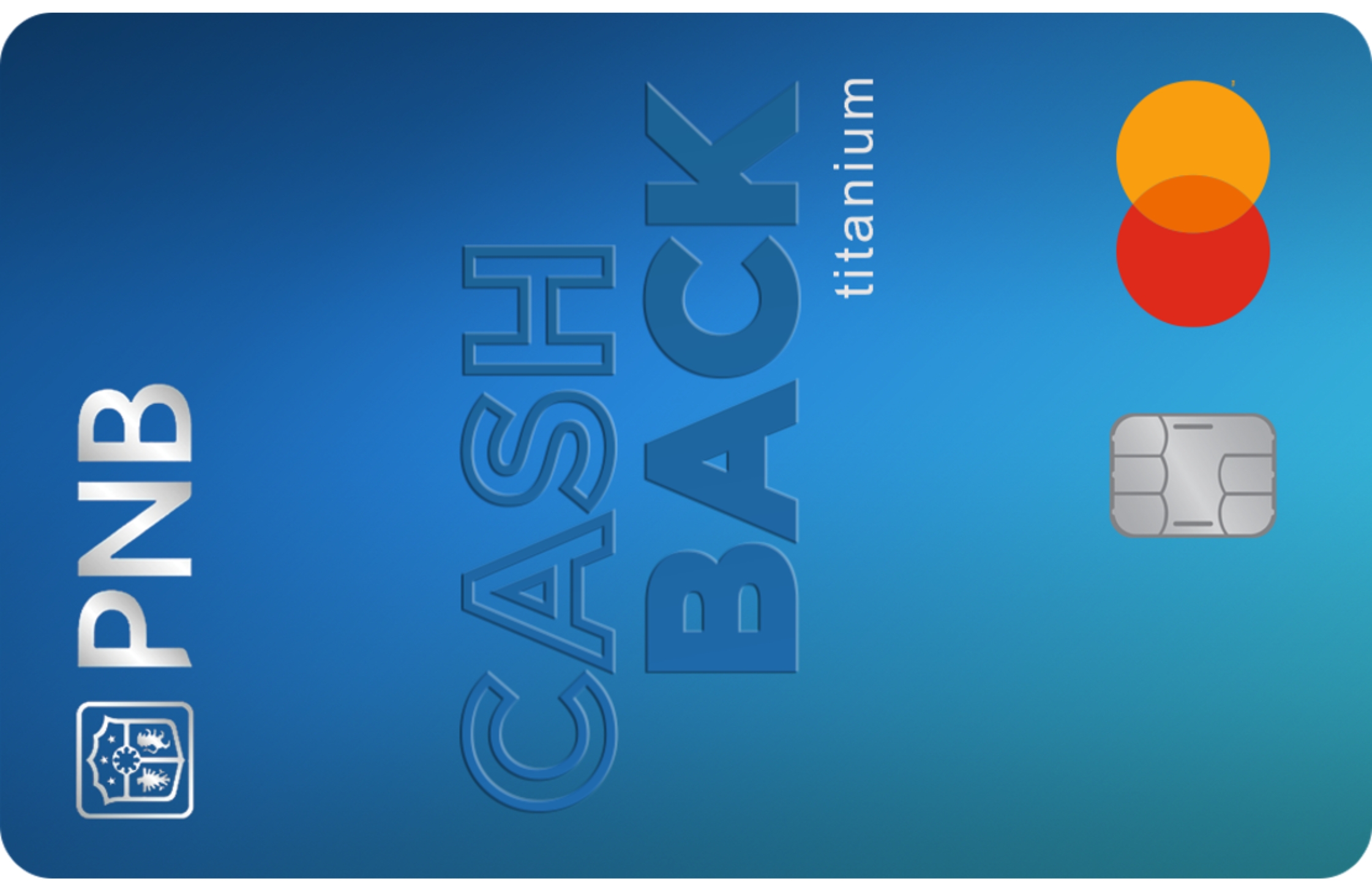
Your First Card for Financial Freedom
Security Bank Gold Mastercard

- Earn 1 never-expiring point for every ₱20 spent
- Exclusive discounts at your favorite shops and restaurants
- Waived annual fee for the first year
- Access to local airport lounges at preferential rates
- Ideal for frequent shoppers and reward seekers
Maybank Visa Infinite
-
CIMB Personal Loan

Fully digital, unsecured personal loan with fast approval and disbursement. Ideal for emergencies, business needs, or lifestyle goals.
BPI Personal Loan
Need a cash boost for life’s big moments or unexpected emergencies? The BPI Personal Loan offers a reliable and flexible solution—whether you’re funding a small business, covering tuition, or consolidating debt. With competitive rates, fixed monthly payments, and a fast approval process, this loan is designed to fit your goals and your lifestyle. No collateral required, just straightforward access to funds when you need them most.
EastWest Personal Loan

Unsecured personal loan designed for flexible multi-purpose use—whether for tuition, travel, or business needs. Offers terms up to 60 months and competitive add-on rates.