.webp)

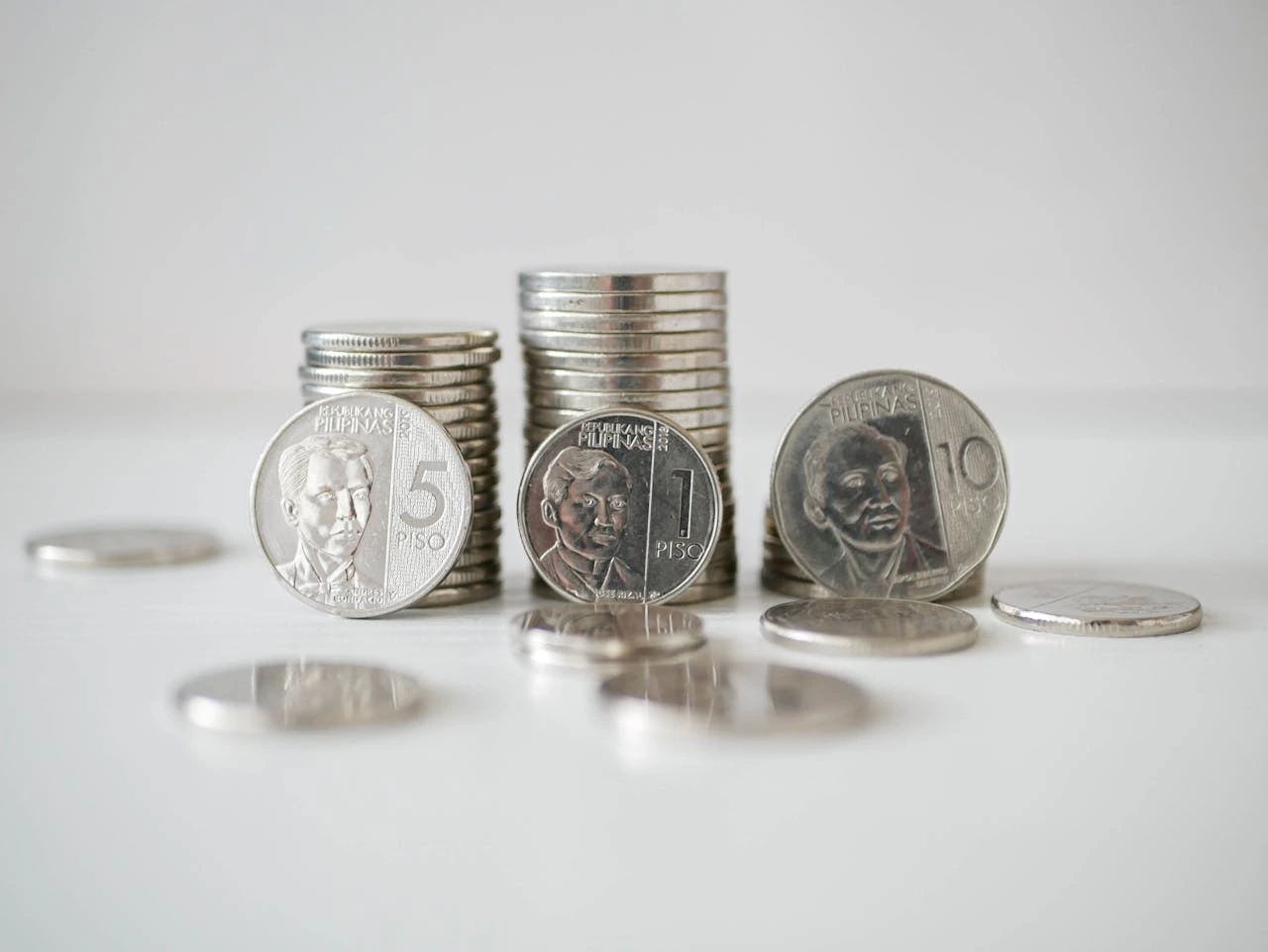


Around 4.8 million Filipino workers are set to receive their 13th month pay before December 24. Yet despite this annual boost, studies and consumer data consistently show that nearly 80% of Filipinos run out of their bonus before January ends. What should be a financial cushion often turns into a short-lived spending spree—sometimes followed by credit card balances that linger long after the holidays are over.
This isn’t because Filipinos are irresponsible. The Christmas season in the Philippines comes with powerful cultural expectations—family gatherings, gift-giving, noche buena, reunions, and unspoken obligations to help relatives. Add aggressive holiday sales, “buy now, pay later” promos, and easy credit card spending, and even a sizable bonus can disappear in weeks.
This 13th Month Pay Survival Guide is designed to help you break that cycle. Using a realistic, Filipino-centered framework, you’ll learn how to make your 13th month pay Philippines 2025 last well into the new year—without guilt, deprivation, or relying on debt or credit cards to get by.
By the end of this guide, you’ll know how to:
- Build a holiday-proof budget that still lets you celebrate
- Avoid the most common 13th month pay mistakes
- Stretch your bonus for 3+ months
Use smart savings tools to protect your money
The 13th Month Pay Reality Check
What the Law Says About 13th Month Pay
Under Philippine labor law, all rank-and-file employees—regardless of employment status—are entitled to 13th month pay as long as they have worked for at least one month during the calendar year. The Department of Labor and Employment (DOLE) requires employers to release it on or before December 24.
The computation is simple:
Total basic salary earned ÷ 12 = 13th month pay
Only basic pay is included. Overtime, allowances, and bonuses are excluded. For most employees, the 13th month pay is also tax-free up to ₱90,000, meaning what you receive is usually close to the full amount.
How Far Does the Bonus Really Go?
Here’s what the numbers look like in reality:
- ₱15,000 salary → ~₱15,000 bonus
- ₱25,000 salary → ~₱25,000 bonus
- ₱40,000 salary → ~₱40,000 bonus
Now compare that with typical expenses:
- Christmas food and groceries: ₱3,000–₱8,000
- Gifts and exchange gifts: ₱5,000–₱15,000
- Transportation, reunions, travel: ₱3,000–₱10,000
For many households, the bonus is equivalent to just one month of expenses—yet it’s often expected to cover December celebrations and help with January bills.
Why Making It Last Is So Hard
Filipinos struggle to stretch their 13th month pay because of three main factors:
- Cultural pressure – Helping family and giving generously is deeply ingrained.
- Seasonal marketing – Sales, flash deals, and installment offers peak in December.
- Lack of planning – Most people decide how to spend only after the money arrives.
Without a plan, the bonus gets assigned emotionally instead of strategically.

The 50/30/20 Holiday Budgeting Framework
How the Framework Works for Christmas
The classic 50/30/20 rule can work—even during the holidays—if adapted properly:
- 50% Needs – Essential holiday spending
- 30% Wants – Enjoyment and celebration
- 20% Future You – Savings, debt payments, emergency fund
This approach allows you to enjoy Christmas without sacrificing January stability.
Sample Allocations by Salary
To make the budget easier to follow, here’s a simple table showing how the 50/30/20 holiday budgeting framework works for different income levels:
Even setting aside a small “Future You” portion can protect you from January stress and reduce the need to borrow.
How to Implement It Immediately
- Separate accounts the moment your bonus arrives
- Decide ceilings, not exact expenses
- Tell family early what you can realistically contribute
Planning ahead reduces guilt—and overspending.

5 Common 13th Month Pay Mistakes
Mistake #1: No Budget at All
Without a budget, spending decisions pile up. A few ₱1,000 expenses quickly become ₱10,000 gone.
Fix: Set category limits before shopping.
Mistake #2: Spending Everything in December
Many assume January will “figure itself out.” It rarely does.
Fix: Lock at least 20% away immediately.
Mistake #3: Forgetting January Expenses
Tuition, rent, and utilities don’t pause after New Year.
Fix: List January–March expenses first.
Mistake #4: Skipping Emergency Savings
Illness and repairs don’t respect holidays.
Fix: Even ₱2,000–₱5,000 in savings helps.
Mistake #5: Giving in to Social Pressure
Comparing celebrations leads to overspending.
Fix: Set boundaries—and stick to them.

Smart Ways to Stretch Your Bonus
Choose the Right Savings Account
Look for:
- No maintaining balance
- Competitive interest
- Easy mobile access
Digital banks often outperform traditional ones for short-term savings.
Creative Holiday Strategies
- Paluwagan with clear rules
- Group buying for gifts
- DIY or experience-based presents
Build an Emergency Fund, Even in December
January to March are historically cash-tight months. Setting aside 10–15% of your 13th month pay can prevent future borrowing.

Free Tools to Help You Stay on Track
- 13th Month Pay Budget Planner (Excel) – Simple, plug-and-play
- Budget tracking apps for daily expenses
- Finmerkado savings comparison tools to find accounts that match your goals
Having the right tools turns good intentions into habits.

Conclusion
Enjoy Christmas Without Borrowing From January
Your 13th month pay is not “extra money”, it’s strategic money. When planned properly, it can cover celebrations and protect you from January stress.
By using a realistic budget, avoiding common mistakes, and leveraging smart savings tools, your 13th month pay Philippines 2025 can last longer than ever.
Celebrate responsibly. Plan intentionally. Let Finmerkado help you make smarter financial choices, this Christmas and beyond.
Frequently Asked Questions

By law, employers must release 13th month pay on or before December 24. Some companies choose to give it earlier or split it into two payouts.
13th month pay is tax-free up to ₱90,000. Any excess beyond this amount is subject to income tax.
Use a clear budget (like the 50/30/20 rule), set aside savings immediately, and avoid using your bonus to fund expenses that can later turn into credit card debt.
Yes—paying down high-interest credit card balances is often a smart move, especially before January bills and interest charges pile up.
Absolutely. Saving part of your bonus for emergencies or January expenses is one of the best ways to avoid borrowing or financial stress after the holidays.

Offers a rapid online application process that takes minutes, ensuring quick approval and fund transfers to returning customers' bank accounts.


RCBC prioritizes speed and efficiency with a quick online application process that allows approved funds to be swiftly transferred to customers’ accounts, demonstrating their commitment to fast service, especially for returning clients.
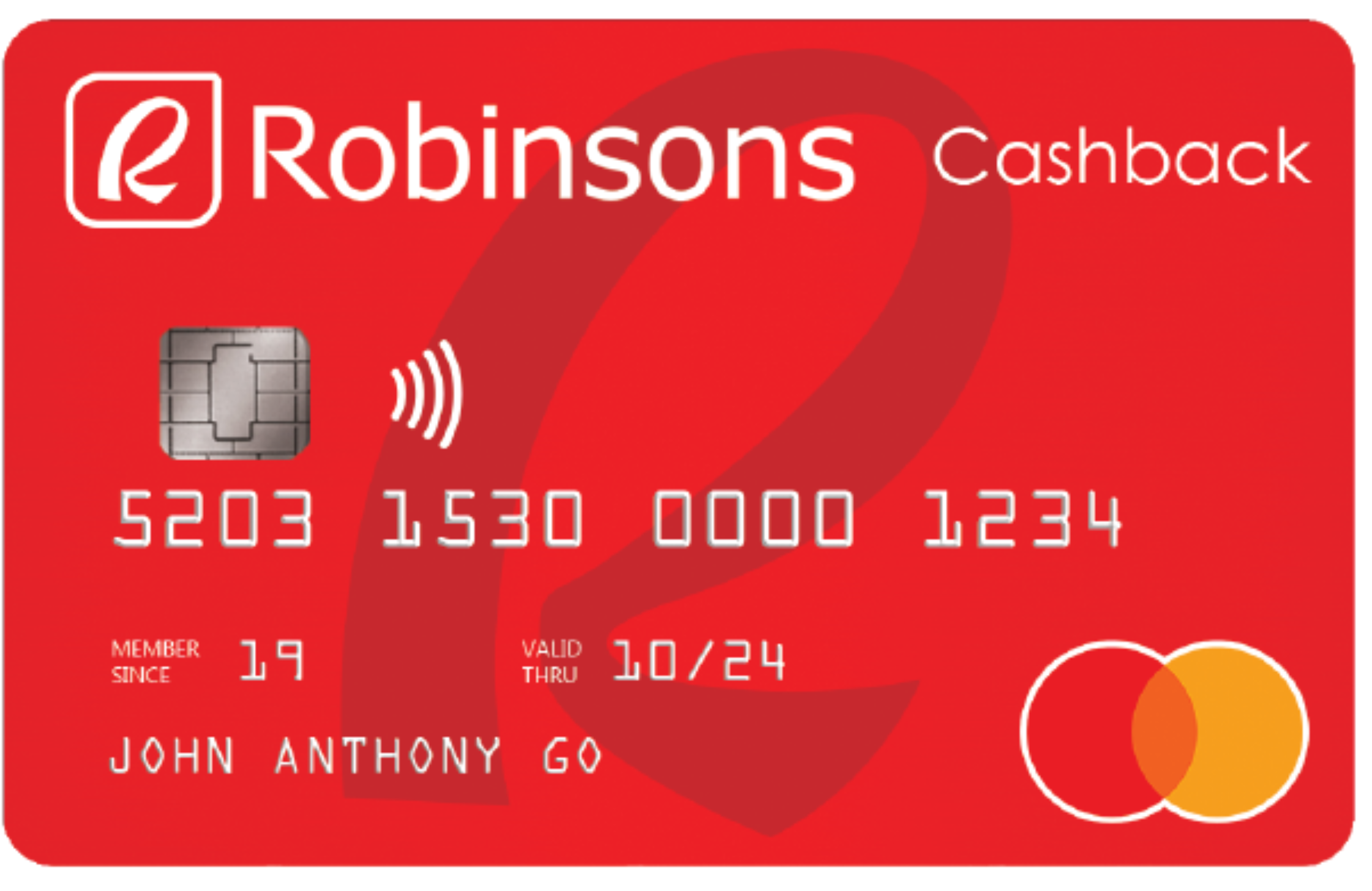
Robinsons Bank Credit Card
-
PSBank Credit Mastercard

Security Bank Gold Mastercard

- Earn 1 never-expiring point for every ₱20 spent
- Exclusive discounts at your favorite shops and restaurants
- Waived annual fee for the first year
- Access to local airport lounges at preferential rates
- Ideal for frequent shoppers and reward seekers
LF Lending Personal Loan

LF Lending Personal Loan helps you get extra cash for your different needs—home renovation, education, business, travel, or anything else you need.
CIMB Personal Loan

Fully digital, unsecured personal loan with fast approval and disbursement. Ideal for emergencies, business needs, or lifestyle goals.
Chinabank Personal Loan

Chinabank’s Easi‑Funds Personal Loan (via China Bank Savings) offers unsecured financing of up to ₱1 million, positioned similarly to peer offerings. It carries an add‑on interest rate of approximately 1.3%–1.5% monthly, translating to an estimated APR of 16%–19% depending on loan tenure and credit profile. Tenure options generally range from 12 to 36 months, while approval often comes within 3 to 5 banking days. Being backed by Chinabank’s extensive branch network and digital infrastructure, it combines legacy banking strength with modern convenience.