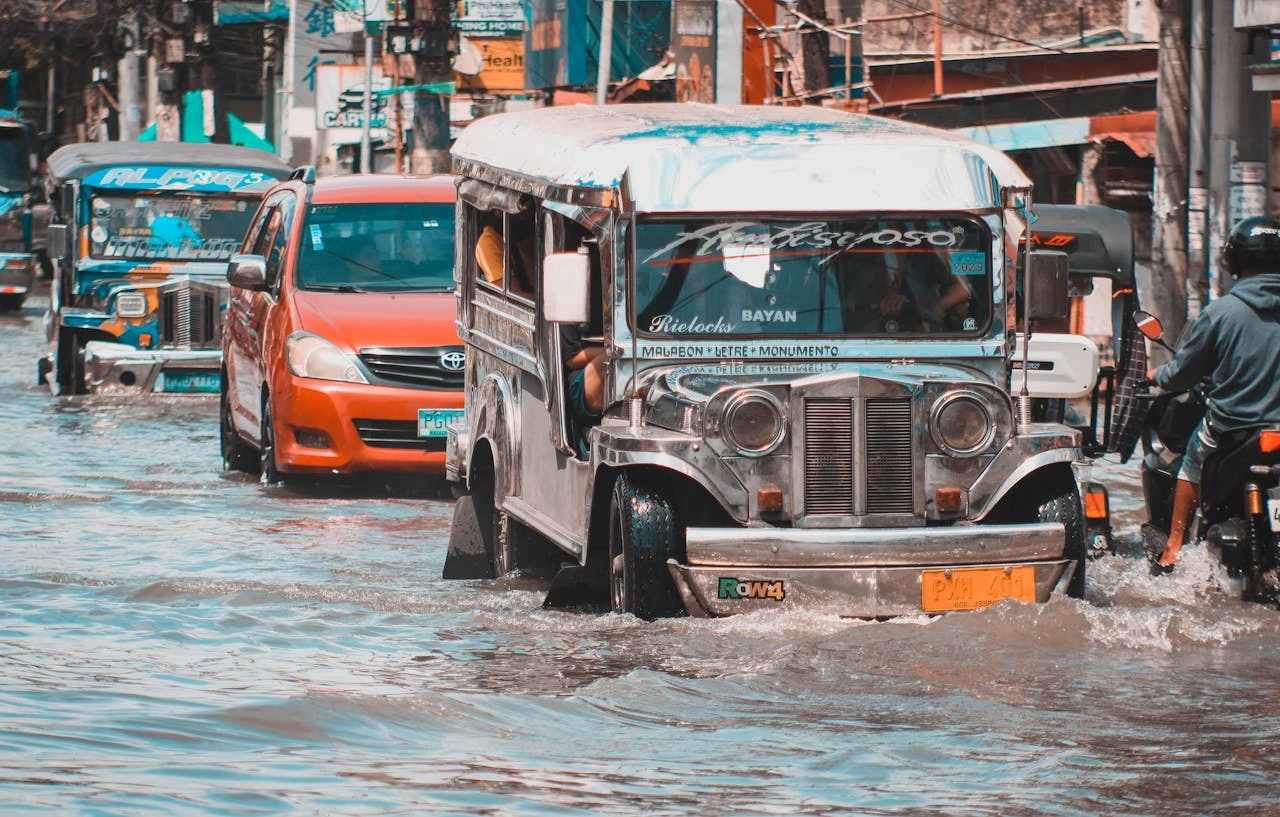


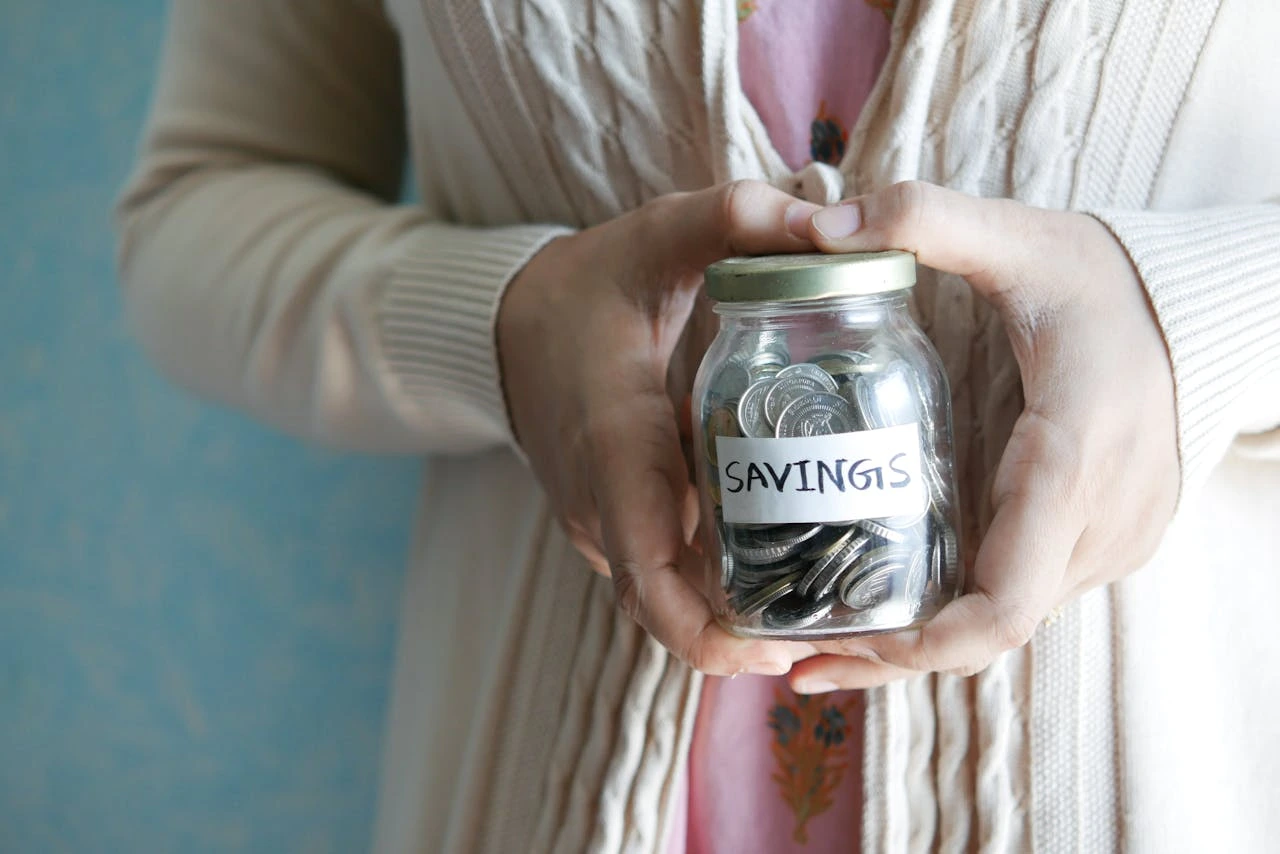


Typhoons now cost the average Filipino family 1–2 months of income in repairs and lost wages. Yet only 3 in 10 have a written “storm budget” or know how to unlock government cash aid within 72 hours. This guide turns disaster reaction into financial action—before, during, and after the howling stops. From creating digital vaults to managing emergency funds, even using your credit card wisely for post-storm essentials can spell the difference between recovery and ruin.
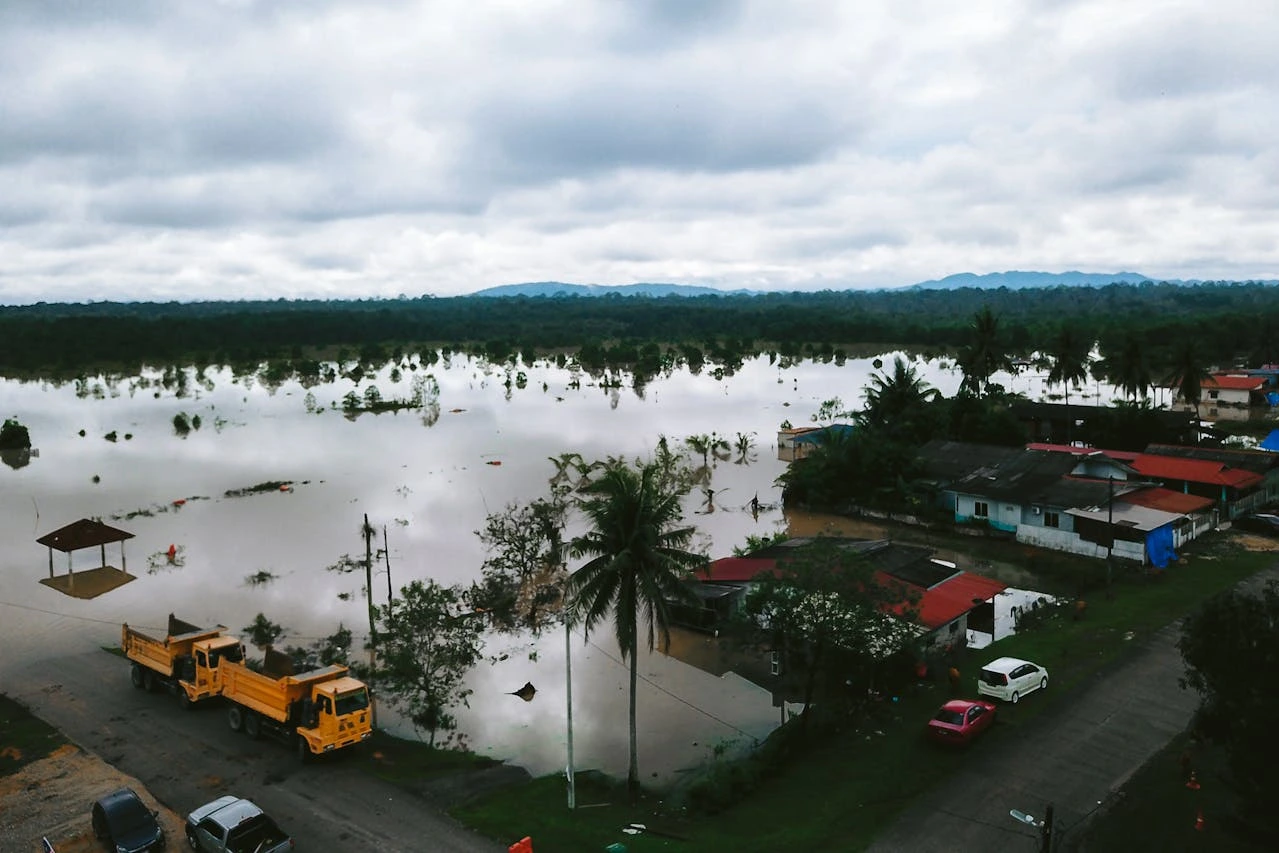
The Typhoon Wallet: A 2025 Family Playbook
The Real Price of a Storm (2025 Data)
On 30 October 2025 Typhoon Queenie ripped through Northern Samar, wiping out 4,600 hectares of rice and leaving 28,000 families with damaged roofs. The National Disaster Risk Reduction & Management Council (NDRRMC) logged Queenie as the 11th cyclone this year, pushing cumulative damages to ₱20.8 billion—already 12% higher than the 2024 full-year tally.
But the bigger shock comes after the clouds clear. Bangko Sentral ng Pilipinas (BSP) survey shows 68% of rural households remain uninsured, forcing 47% to borrow within the first post-storm week—usually from the neighborhood “5-6” lender at 20% monthly interest. Worse, the hidden costs (lost income, medicine spoilage, missed loan amortizations) can double the visible damage. Think of it as an iceberg: what you see is only the roof; what sinks the family budget lies underwater.
Pre-Wind Cash Moves (T-72 Hours)
Storm-proof budget
Move one week of living expenses (about ₱6,000 for a family of four) into a separate e-wallet “safe pocket.” GCash and Maya both let you create sub-accounts that can’t be accidentally tapped for online shopping.
Digital document vault
Before signal #1 is hoisted, cloud-upload clear photos of your land title, barangay ID, latest payroll slips, and student registration. DSWD, SSS, and Pag-IBIG all accept JPEG or PDF copies during calamity processing—no need to run back into a flooded house for damp paper.
Emergency fund tiers
- Tier 1: Cash-on-hand ₱3,000 (ATM lines will be 200 meters long).
- Tier 2: E-wallet ₱5,000 (sari-sari stores with power banks stay alive).
- Tier 3: Calamity savings account ₱20,000 (separate passbook, no ATM so you’re not tempted on ordinary days).
Micro-insurance swipe
For ₱6.50 you can buy ₱6,500 worth of parametric rice crop cover on GCash Insure; payout triggers 24 hours after Queenie’s exit, no adjustor needed. Home cover costs ₱35 for ₱35,000 rebuilding fund—cheaper than two milk-tea cups.

Government Financial Lifelines — The 2025 Menu
Forget the 1990s era of red-stamped paper. In 2025, almost every aid program has a mobile on-ramp—if you pre-register.
Tip: Screenshot this table and save it in your phone gallery before the rainy season starts.

During the Storm: Cash When ATMs Die
Power outages in Catanduanes lasted 11 days last year, but cell sites on generator power kept data signals alive. Lesson: digital money beats paper if you plan the exit ramps.
- QR-code transfers: sari-sari stores with GCash “Cash-in, Cash-out” kits ran on power banks and serviced up to ₱8,000 per transaction even at the height of the storm.
- Mobile money vans: BSP-licensed vans parked at designated evacuation centers dispensed cash against e-wallets for a flat ₱15 fee—cheaper than tricycle fare to the nearest working ATM.
- Crypto-as-last-mile: Cebu LGUs piloted USDC vouchers convertible to pesos via SMS—useful only if you’re already KYC-verified, so register now, not when satellites are wobbling.
After the Wind: Rebuild Without Drowning in Debt
The BSP says families that access formal aid within 48 hours are 60% less likely to fall into 30-day loan defaults six months later. Here’s how to stay on the right side of that statistic.
Damage-to-Digital ledger
Take three photos (wide shot, close-up, official receipt) of every damaged item; free apps like “TyphoonCalc” auto-sum the loss and cross-check it against your insurance cover, telling you exactly how big a loan—if any—you need.
0% APR balance-transfer cards
BPI and MetroBank launched 2025 calamity promos: transfer your post-storm purchases and enjoy 0% for 24 months—cheaper than the 6% monthly rate of informal lenders.
Peer-to-peer “bayanihan” loans
Blend.ph’s calamity segment caps interest at 1% monthly versus 20% on the street. Approval takes 30 minutes if you upload the same damage photos you used for the DA.
Side-hustle pivot fund
TESDA now releases free upskilling vouchers together with DSWD cash aid; 5-day courses in TikTok marketing or basic bookkeeping can replace lost farming or sari-sari income while you rebuild.

Campus & MSME Extensions
Students and micro-entrepreneurs often fall through the cracks because they lack payroll records. New rules close that gap.
- Student Aid: Moratorium on CHED-funded short-term student loans (SLP) and UniFAST programs is automatic for areas under signal #3; interest stops accruing for 60 days—no application needed, just monitor your online portal.
- Negosyo app: DTI’s 2025 “Typhoon Damage Calculator” auto-generates a loan proposal for MSMEs and uploads it straight to SB Corp. Loans range from ₱25,000 working capital to ₱500,000 asset-rebuilding at 6% per year, payable up to five years.
Tech Tools & Apps You Must Have in 2025
- Project NOAH Wallet: combines real-time rainfall with a rule that automatically moves ₱1,000 “bridge money” from your calamity savings to your e-wallet if rainfall exceeds 150 mm/hr—no need to wake up at 2 a.m.
- Google Files “offline folder”: pre-stores barangay clearance templates, DSWD application forms, and PhilHealth Z-package checklists; works even when cell sites are down.
BSP Watchlist App: flags unregistered lenders that mushroom post-disaster; updated hourly by the Central Bank enforcement group.

30-Minute Drill: Build Your Family Typhoon Cash Plan
- List the five aid programs you actually qualify for (check contributions, land titles, student status).
- Save the hotline, e-mail, and backup cellphone of a relative in Manila in your phone favorites.
- Allocate at least 1% of monthly income to a parametric insurance premium—automate via GCash scheduled pay so you can’t forget.
- Practice the three-click SSS/Pag-IBIG loan upload using dummy photos; muscle memory beats panic.
- Store ₱500 worth of five-peso coins—jeepney fare when cell sites fail and you can’t even load Beep.
Macro View: Why Calamity Finance Is National Finance
Digital payouts do more than soothe individual pain—they shorten the recessionary tail of every typhoon. BSP data show digital payments now account for 70% of retail transactions, up from 42% pre-pandemic. Every peso disbursed digitally saves the Treasury 11 centavos in leakage and speeds up local GDP recovery by four weeks.
Insurance penetration has jumped from 25% in 2020 to 38% in 2025, driven largely by mobile micro-policies. The goal is 50% by 2027, enough to shave 0.3 percentage points off national debt whenever a Queenie-level storm hits.
As Finance Secretary Ralph Recto puts it: “We can’t stop typhoons, but we can stop them from becoming fiscal typhoons.”
Call-out Box: Screenshot & Save
Government Hotlines (saved as phone favorites)
- NDRRMC 911-5061-394
- DSWD 8330-9518 (Viber)
- SSS 9200-6446 (calamity lane)
- Pag-IBIG 8778-4444 (say “calamity”)
- PhilHealth 8441-7442
Valid IDs accepted by ALL programs
- Primary: UMID, passport, driver’s license, national ID
- Alternate for students: school ID + registration form + barangay certification
Alternate for seniors: senior citizen ID + barangay certification
Conclusion
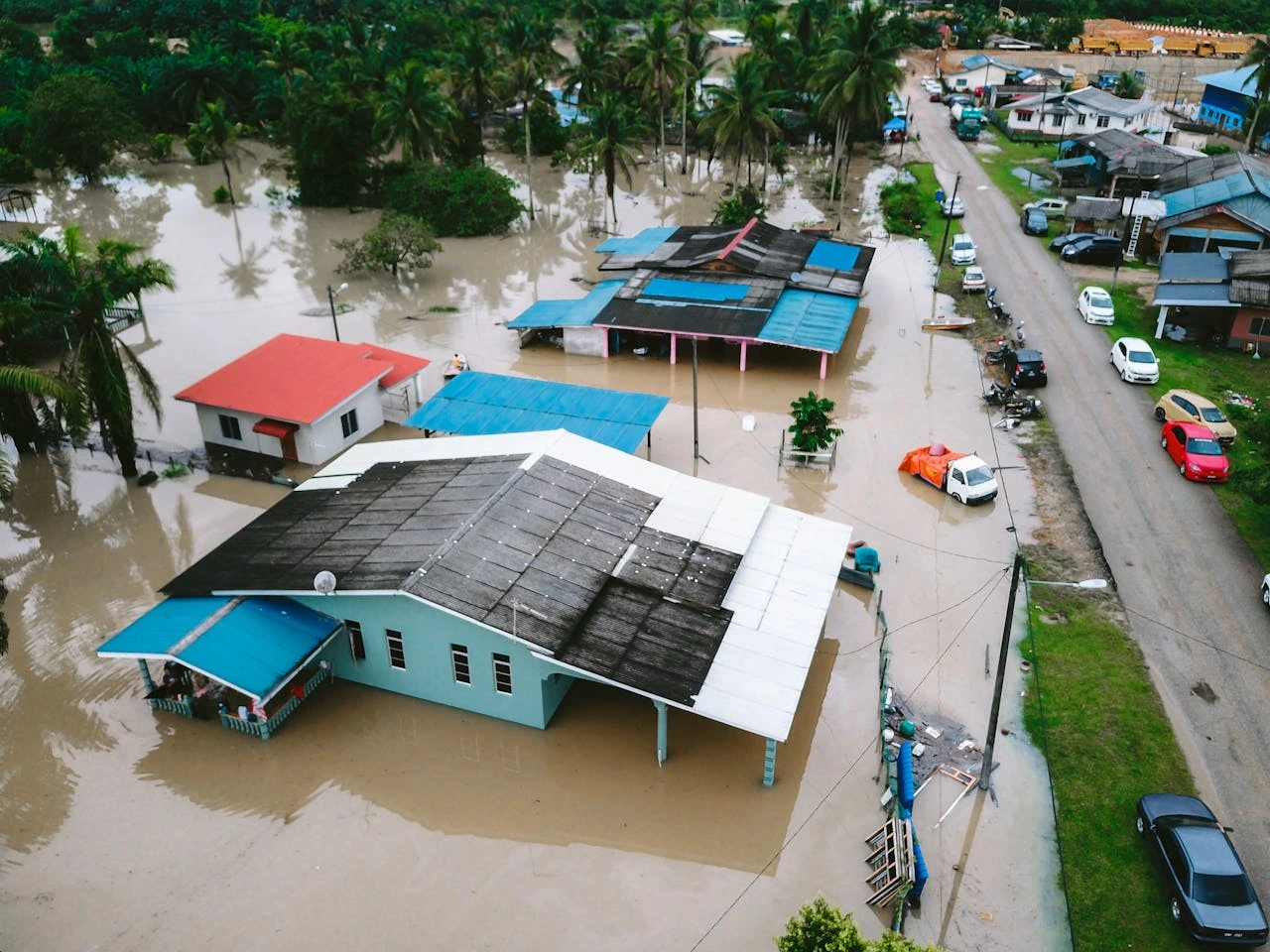
The storm is inevitable; the debt trap isn’t. Download the apps, move the money, upload the documents—then when the wind howls you can focus on keeping your family safe, not on scrambling for cash. Your future self, knee-deep in floodwater but wallet-deep in aid, will thank you.
For more smart, data-driven personal finance and disaster-readiness guides, visit Finmerkado — your trusted source for practical money insights that help Filipinos stay financially resilient, rain or shine.
Frequently Asked Questions

Your kit should include cash in small bills, digital copies of IDs and loan documents, a charged power bank, key insurance papers, and contact details for banks, employers, and emergency hotlines.
Use your credit card for essential purchases only—like food, medicine, or temporary shelter—and pay at least the minimum due on time to avoid compounding interest. Avoid cash advances unless absolutely necessary.
Filipinos can access programs like the DSWD AICS, SSS Calamity Loan, Pag-IBIG Calamity Loan, and LGU cash aid. Each has different processing times and requirements, usually based on residency and declared disaster status.
Store physical copies in waterproof pouches and scan digital versions to cloud storage (Google Drive, GCash GSave, or bank apps). Always back up your emergency contacts and account details online.
Start with a spending freeze on non-essentials. Track relief or insurance funds, negotiate deferred payments, and prioritize rebuilding income sources. Review your emergency fund and insurance coverage for better readiness next time.

Equicom Savings Bank ensures smooth and hassle-free transactions, offering quick processing times for banking needs.

Offers a rapid online application process that takes minutes, ensuring quick approval and fund transfers to returning customers' bank accounts.
BPI Platinum Rewards Card

- Earn 2 BPI points for every ₱30 local spend
- Earn 2 BPI points for every ₱20 foreign currency spend online and abroad
- Convert straight payments on airfares to installment with 0% interest
- Get up to ₱10 million free travel insurance
- Get up to 180 days of purchase protection insurance
- Enjoy complimentary airport lounge passes in 1,300+ lounges worldwide
- Ideal for frequent travelers looking for premium benefits
Metrobank Titanium Mastercard

- No annual fees with a min. annual spend of ₱180K for new cardholders who apply until Aug 31, 2024
- Earn 2x points on online, department store and dining transactions
- Enjoy 1 never-expiring point for every ₱20 spent
- Experience exclusive benefits from Metrobank
- Ideal for shoppers focused on essential spending
Security Bank Platinum Mastercard

- Waived annual fee for the first year
- Earn 2 never-expiring point for every ₱20 spent
- Access over 1,300 lounges across 500+ airports worldwide
- Free travel insurance when booking airline tickets
- Discounts at favorite shops and restaurants
- Receive up to $200 coverage when you shop online
- Ideal for frequent travelers and international shoppers
CIMB Personal Loan

Fully digital, unsecured personal loan with fast approval and disbursement. Ideal for emergencies, business needs, or lifestyle goals.
UNO Bank Personal Loan

Whether you're aiming to grow your business, further your education, or embark on your dream vacation, an UNO Bank Personal Loan can assist you in reaching your life's aspirations.
Security Bank Personal Loan
The Security Bank Personal Loan is an unsecured, multi-purpose loan offering up to ₱2 million in financing. With add‑on interest rates starting around 1.3% monthly, it translates to an estimated APR of roughly 29.5%–39.4% depending on loan amount and term. No credit card is needed, and applicants can choose between applying online or over the counter at branches. Ideal for emergencies, life events, or debt consolidation with quick digital or branch-assisted processing.