
From Beep to Credit: Building Your Credit Score Through Transportation Expenses

Your daily MRT ride could be building your financial future—and most commuters don’t even realize it. In the Philippines, transportation is one of the most consistent monthly expenses, making it a surprisingly powerful way to start building your credit history when paid using a credit card. When used correctly, small, repeat payments like Beep card reloads can help you establish responsible credit behavior while enjoying the convenience of cashless commuting.
This guide explains how everyday transport expenses can work double duty: getting you where you need to go and helping you build credit along the way.
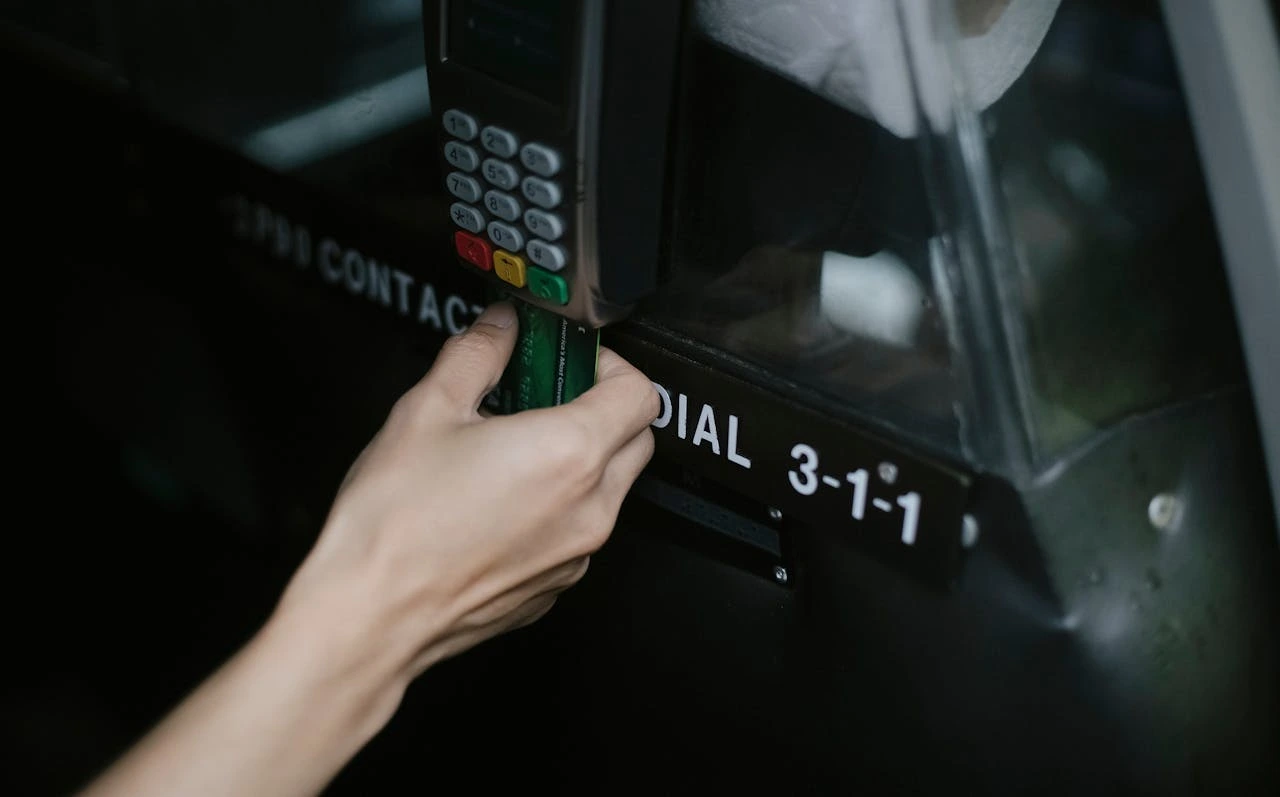
How transportation spending builds credit history
Credit cards report your payment behavior to credit bureaus. When you use a card for transportation—and pay your balance on time—you create a record of consistent, responsible usage.
Why small, frequent payments work best
Beep reloads and transit payments are:
- Predictable
- Low-cost
- Regular
These are ideal traits for beginners who want to avoid large balances while still showing activity.
Why payment history matters most
Payment history accounts for 35% of your credit score, making it the single most important factor. Even small transactions, when paid on time every month, can have a meaningful long-term impact.
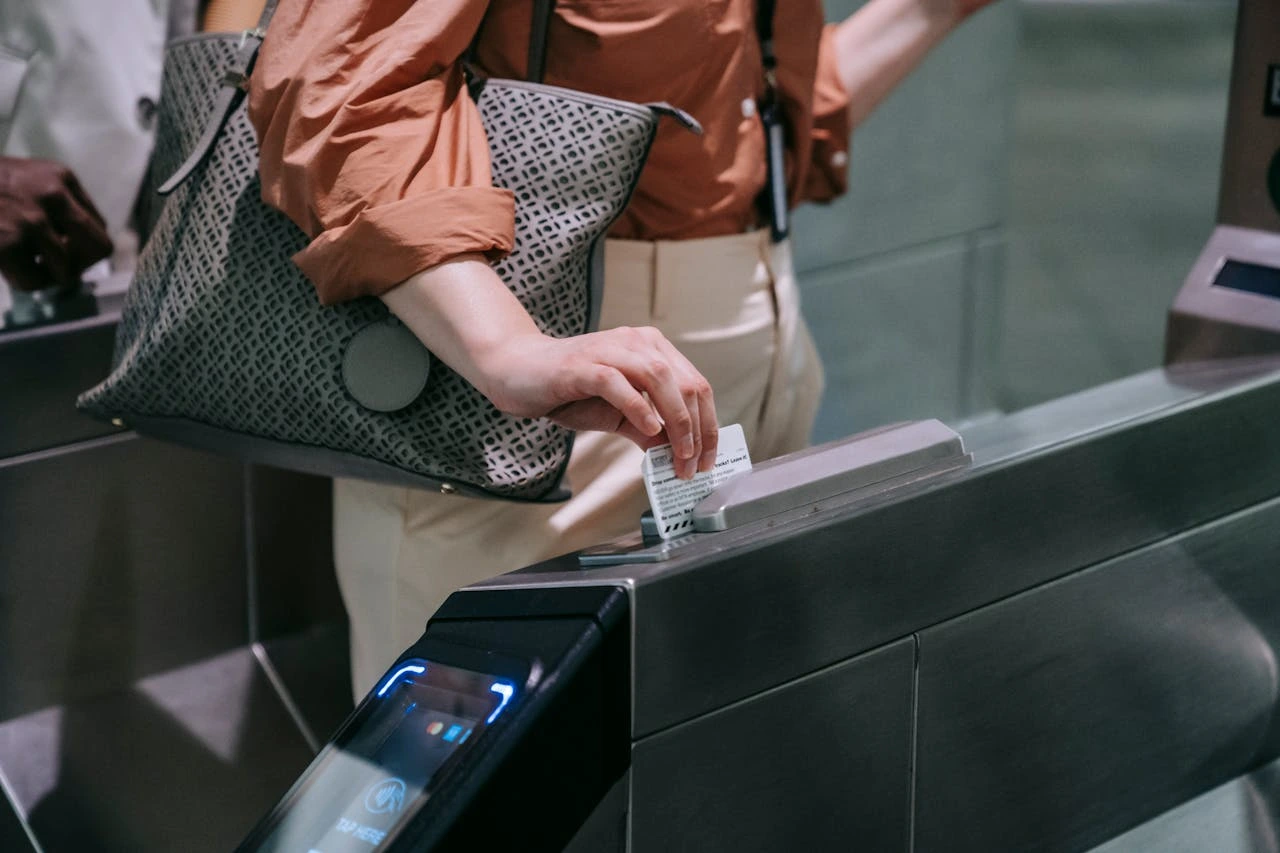
Linking credit cards to GCash auto-reload
Many commuters connect their credit cards to GCash and enable Beep auto-reload. This ensures regular transactions without manual effort.
Using contactless payments at MRT-3
Select MRT-3 stations now accept contactless credit card payments, allowing riders to tap and go without cash or reload lines.
Reloading Beep at convenience stores
Stores like Ministop and Lawson allow Beep reloads using credit cards, making it easy to integrate commuting into your credit usage.
Setting recurring loads
Scheduled or habitual reloads create steady transaction activity—perfect for building a positive usage pattern.

| Card Type | Best For | Typical Requirements | Why It Works for Commuters |
|---|---|---|---|
| Entry-Level Cashback Card | New credit users with income | Proof of income, basic docs | Earns small rewards on frequent transport and retail spending |
| Low Minimum Spend Card | Budget-conscious commuters | Low monthly income threshold | No pressure to overspend just to earn benefits |
| Student Credit Card | Students and first-time users | School enrollment + guardian details | Builds credit early with controlled limits |
| Secured Credit Card | No credit history or prior rejections | Cash deposit as collateral | Guaranteed approval while reporting good payment behavior |

Set a monthly transportation budget
Decide how much you realistically spend on commuting and stay within that amount.
Automate payments
Enable auto-debit or calendar reminders to ensure full, on-time payments every month.
Track spending digitally
Use your banking app or e-wallet history to monitor transport-related expenses easily.
Avoid overspending
The goal is consistency, not volume. Never spend more just to build credit.

P2P bus payments
More bus services are beginning to accept card-based and app-linked payments.
Ferries and regional transport
Some ferry terminals now allow digital or card transactions, expanding credit-building opportunities beyond Metro Manila.
What’s next
As the Philippines continues its push toward cashless transport, more modes will likely integrate card payments—creating even more chances to build credit through daily life.
Building credit doesn’t always start with big purchases or expensive bills. Sometimes, it starts with your daily commute. By using transportation expenses strategically, you can create a strong foundation for your financial future—one tap, swipe, or reload at a time.
**Next steps:**Choose a beginner-friendly credit card, use it consistently for transport, pay on time, and track your progress.
Explore your options with Finmerkado’sCredit Card Comparison Tool and find the right card to start your credit journey today.