
Crypto Payments & Consumer Protection in PH: Where You Stand in 2025

Once the secret weapon of savvy traders and tech nerds, cryptocurrency has broken out of its niche—and straight into the everyday wallets of Filipinos. From your favorite milk tea run to paying bills or even sending money back home, crypto assets are no longer just moonshots—they're becoming mainstream.
It’s not just cash or credit cards anymore—crypto has entered the payment arena, offering an alternative that feels both futuristic and convenient. The shift is fueled by increasing digital adoption and easy-to-use platforms like PDAX and Coins.ph, which turn your phone into a crypto-powered spending tool. But before you start scanning QR codes with Bitcoin or USDT, it’s worth asking: is your digital peso as protected as your physical one?

In 2025, the Philippines is becoming a hub for digital currency adoption in Southeast Asia. Major brands are now accepting virtual assets through partnerships with local cryptocurrency exchanges and payment gateways. Some restaurants and retailers allow QR-based crypto transactions, especially in tech-forward cities like Metro Manila and Cebu.
Platforms like Philippine Digital Asset Exchange (PDAX) and Coins.ph have enabled users to convert digital assets to Philippine peso in seconds. According to the Bangko Sentral ng Pilipinas (BSP), the country now has over 20 licensed Virtual Asset Service Providers (VASPs)—a strong indicator of growing market maturity.
Meanwhile, e-wallets like Maya Philippines are also exploring crypto wallet integration, blurring the lines between crypto exchanges and traditional remittance and transfer companies.
| Feature | E-Wallet (e.g., GCash, Maya) | Crypto Wallet (e.g., MetaMask, Trust Wallet) |
|---|---|---|
| Currency Type | Fiat (e.g., PHP) | Cryptographically secured digital representation (crypto) |
| Regulation | BSP-regulated | Varies; must follow VASP license rules |
| Security | Two-factor auth, linked to identity | Private keys, self-custody required |
| Volatility | Stable | Highly volatile |
| Consumer Protection | Backed by consumer protection rules | Limited, unless offered by licensed CASPs |
While e-wallets are generally considered safer for day-to-day use, crypto wallets offer more control but also expose users to more risk—including price volatility and scams.
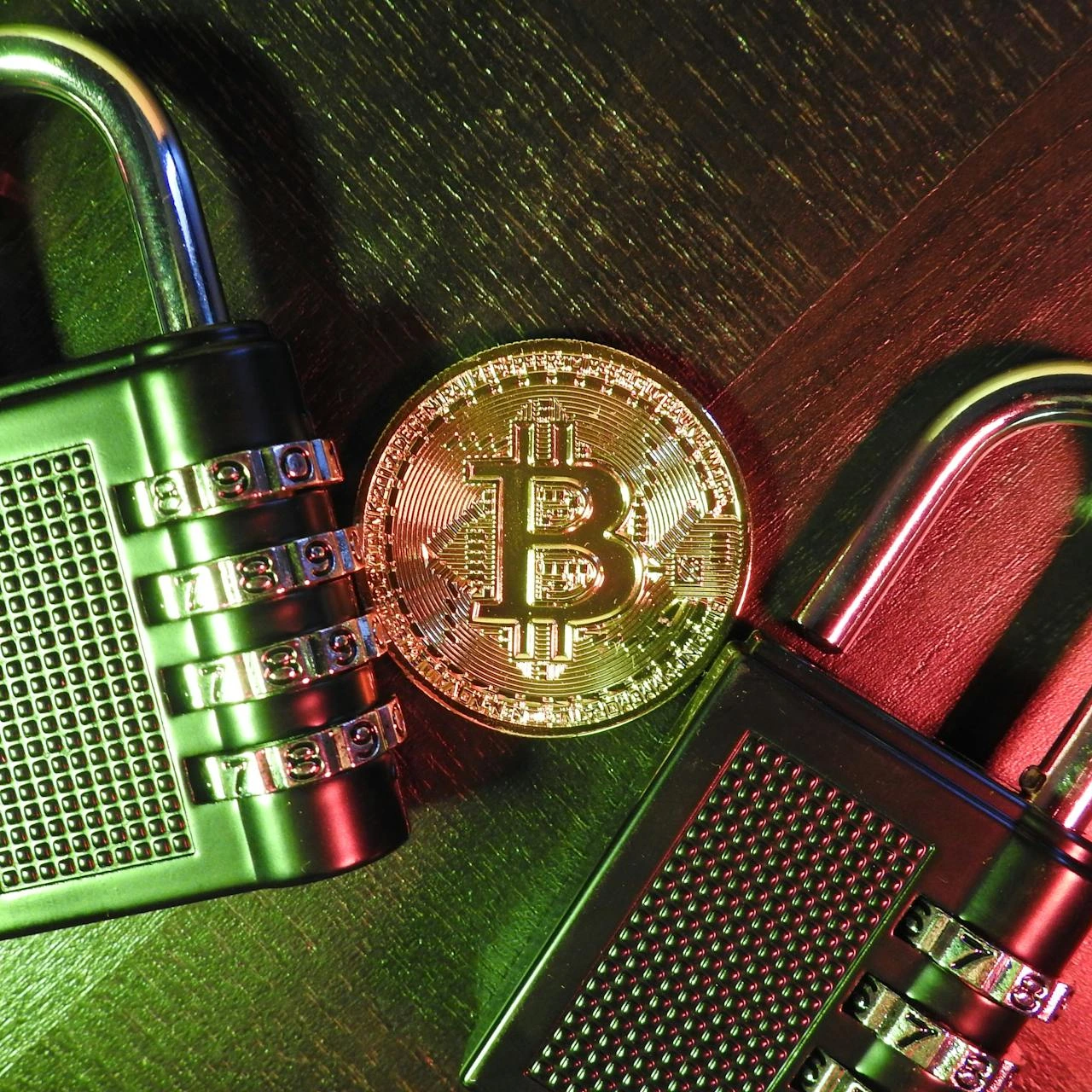
Yes—but they’re evolving.
The Bangko Sentral ng Pilipinas and the Securities and Exchange Commission (SEC) are increasing regulatory oversight over crypto asset service providers. New 2025 rules now require all cryptocurrency exchanges and crypto companies to meet anti-money laundering (AML) and counter-terrorism financing (CTF) compliance under the Anti-Money Laundering Act.
According to SEC's 2024 guidelines, crypto asset trading venues must provide a disclosure document to users, ensure fair access, and meet strict regulatory compliance. The SEC also designates covered persons, which include crypto providers, to report suspicious transactions to the Anti-Money Laundering Council (AMLC).
However, legal protection for consumers is still limited. If you lose access to your digital unit due to phishing or hacking, recovery is nearly impossible without a regulated platform.

Spending crypto assets can be exciting, but here are some warning signs:
- Too-good-to-be-true prices: Fraudulent merchants may entice you with large discounts but never deliver.
- No refund policies: Unlike credit card purchases, most crypto transactions are irreversible.
- Unlicensed exchanges: Always use VASP-licensed platforms registered with the central bank or exchange commission.
- Sketchy conversion rates: Make sure you’re aware of the exchange rate and any hidden fees.
- No physical office or contact info: Legitimate crypto asset service providers maintain transparency.
Experts from KapronAsia emphasize that proper risk management and market education are key to fostering financial stability in the crypto industry.
Wrap-up: If You're Paying in Crypto, Be Smart—Not Sorry
The crypto market in the Philippines is evolving fast. As more crypto asset services become part of everyday life, Filipino consumers must educate themselves about the risks, regulatory framework, and red flags.
Crypto can offer faster remittances for overseas Filipino workers, better investment opportunities, and more financial technology innovation—but without proper investor protection, it's still a “buyer beware” market.
That’s why platforms like Finmerkadoplay a key role in helping Filipinos explore safer and more transparent financial tools—whether it’s accessing regulated credit products, comparing digital finance services, or simply learning how to make smarter financial decisions in the age of crypto.
Always check for a VASP license, make sure they follow the comprehensive regulatory framework for virtual currency exchanges in the country, understand the difference between crypto wallets and e-wallets, and make sure you’re making cryptocurrency transactions with platforms compliant with Philippine laws and financial regulations.
Sources:
- Bangko Sentral ng Pilipinas
- KapronAsia: Crypto Regulation in Southeast Asia
- Securities and Exchange Commission Philippines
- PDAX – Philippine Digital Asset Exchange
- Coins.ph
- Fintech News: SEC New Rules for CASPs